Photography · Writing · Family History
Tieshan Zhi 鐵山誌
Tieshan Zhi is a long-form photographic and literary project rooted in Waipu, a rural township on the Houli Plateau in central Taiwan. It traces the inheritance of the Hsu family, the artist’s maternal lineage, across more than a century of migration, commerce, literature, and political upheaval — approaching family heritage not as nostalgia, but as living material to be re-translated.
The Books
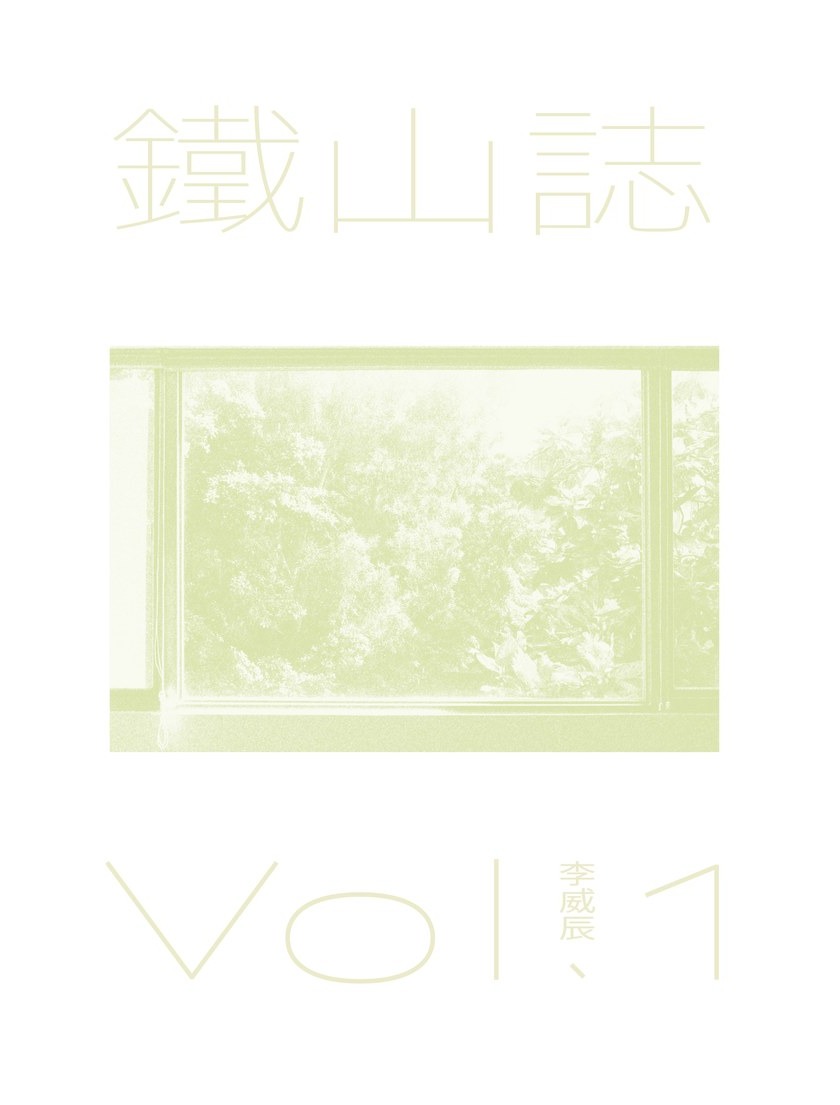
Qingtian Street
A personal essay in images. It begins with a death in the family and drifts through a chain of chance encounters — a returning elder, a fortune-teller, a writer-friend — each one quietly tied to a family history the artist barely knew. The opening movement of the project.

Taiko Pine
Photographs and archival research reconstruct the pineapple-canning enterprise that rose in Waipu under Japanese colonial rule — the only cannery in Taiwan to refuse the colonial state’s forced merger — and the unlikely friendship with the Japanese political figure Tōyama Mitsuru that helped keep the family’s venture afloat. Present-day images converse with a fragmentary commercial past.
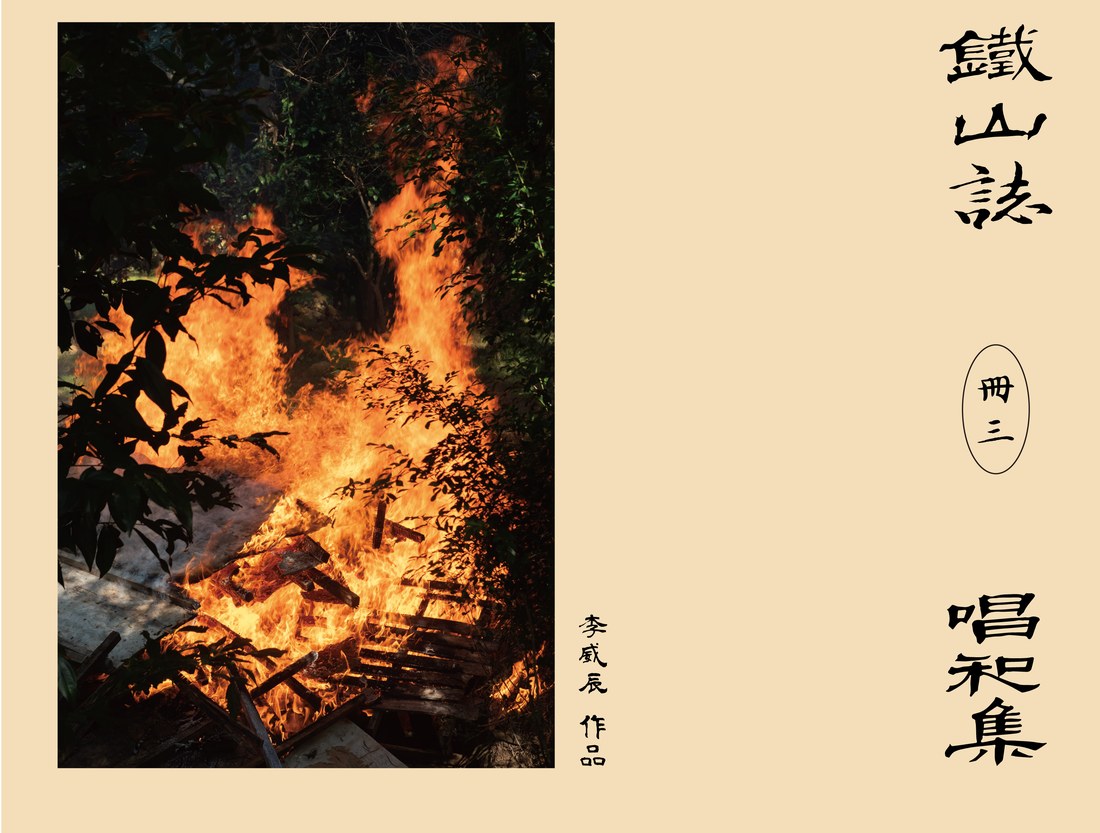
Changhe Ji
A photographic answer to the family’s classical poetry. Retracing a Qing-era trading route — rattan and salt carried between mountain and coast — that the family once walked, Li photographs in dialogue with century-old poems on the Dajia River, Tiezhen Mountain, and the crossing of the Da’an: image answering verse across a hundred years.
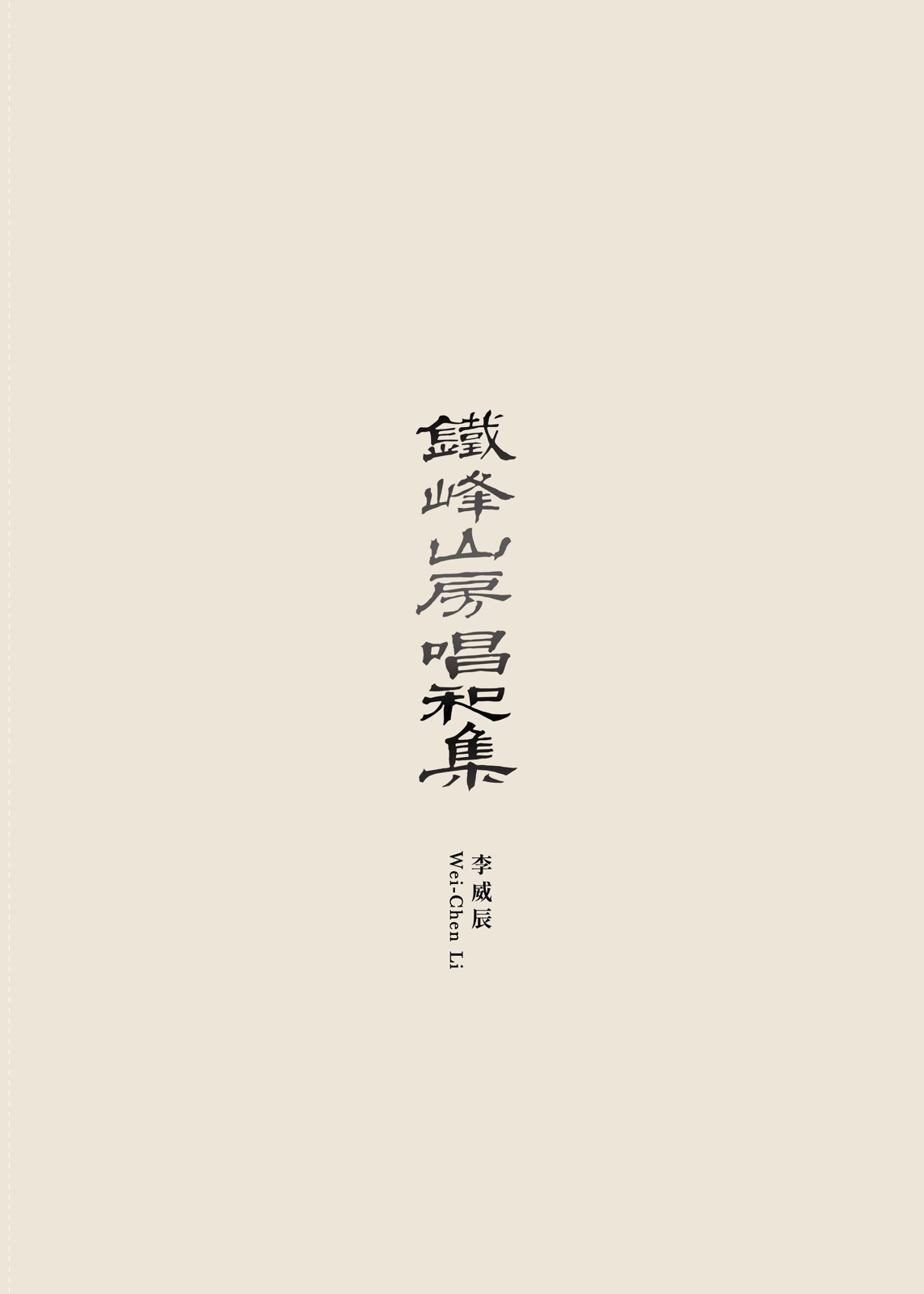
Tiefeng Shanfang Changhe Ji
The book that came first. Before the three volumes of Tieshan Zhi, Li photographed the whole reach of country from Tiezhen Mountain down to the Da’an River and the red badlands of Flame Mountain — a dog on the gravel shore, a dune at the river mouth, then inland to eroded ridgelines, white-trunked woods and one dead tree still standing, the cobbled dark of Mystery Cave, and a wildfire burning into dusk. Its title is borrowed, in earnest homage, from the Hsu family’s classical-poetry anthology of the same name, published in 1934: the ground the trilogy grew out of.
Credits