Tieshan Zhi Vol. 2 — Taiko Pine
The Fifth Son Who Withdrew from School of His Own Accord
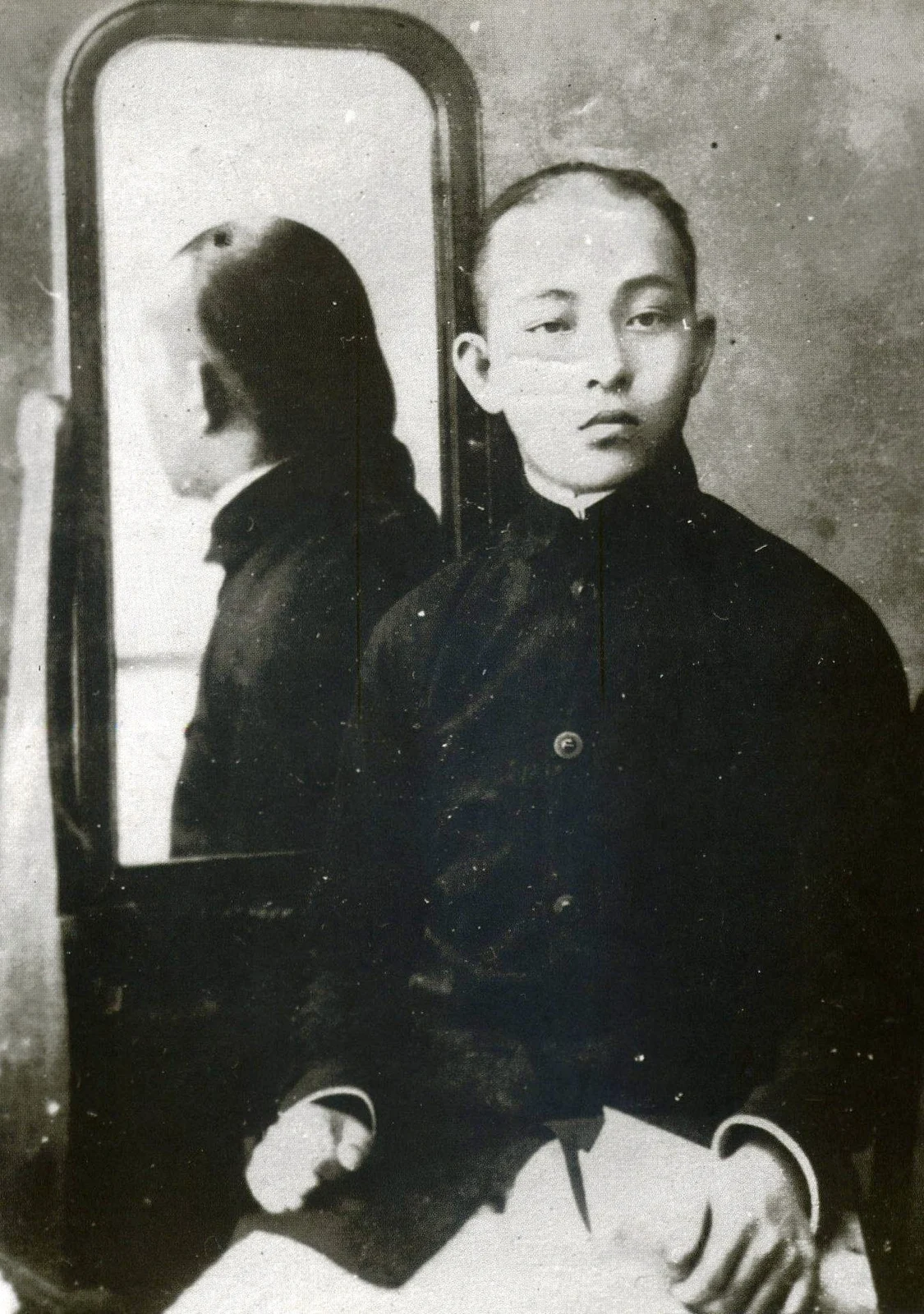
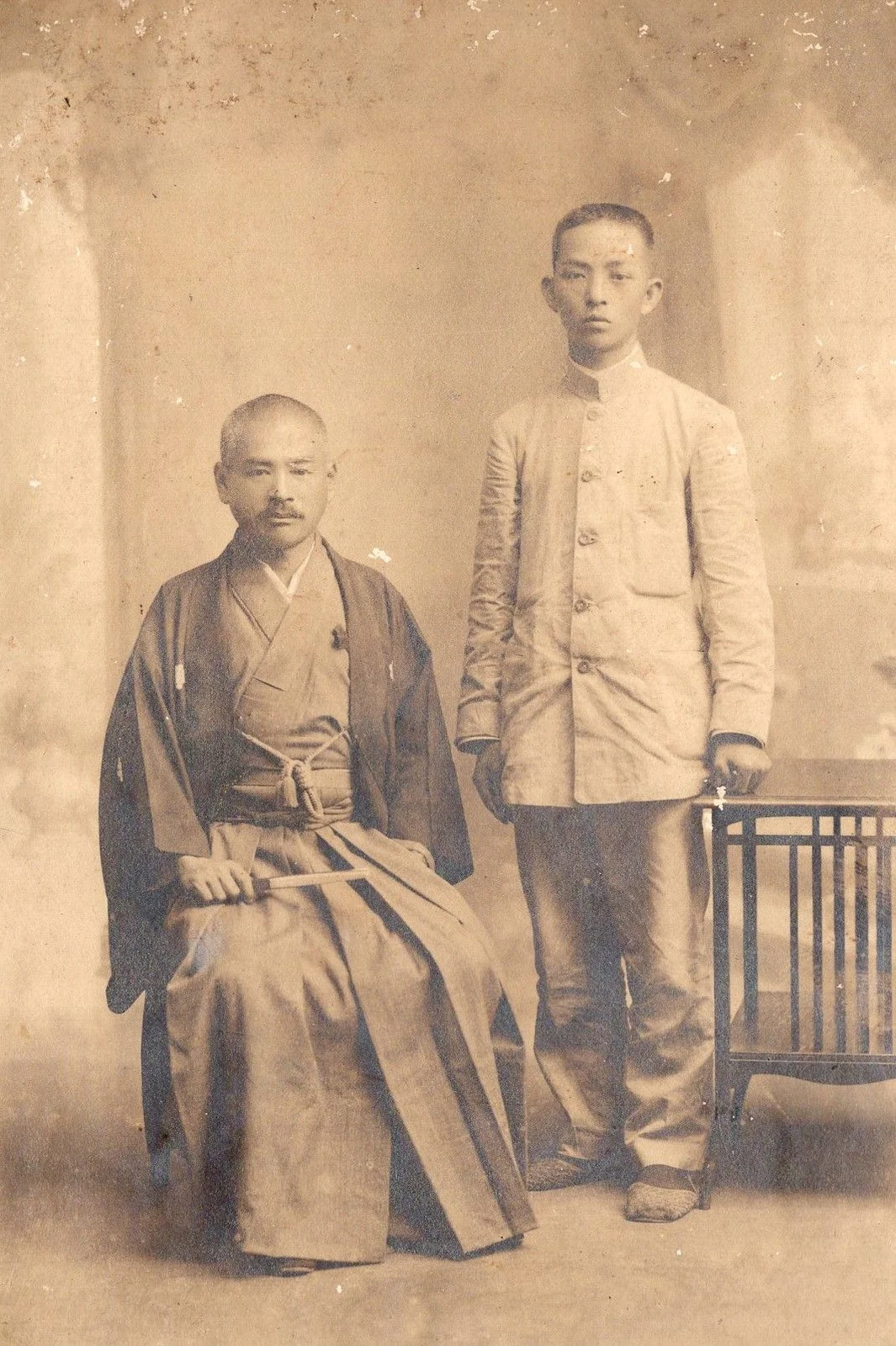
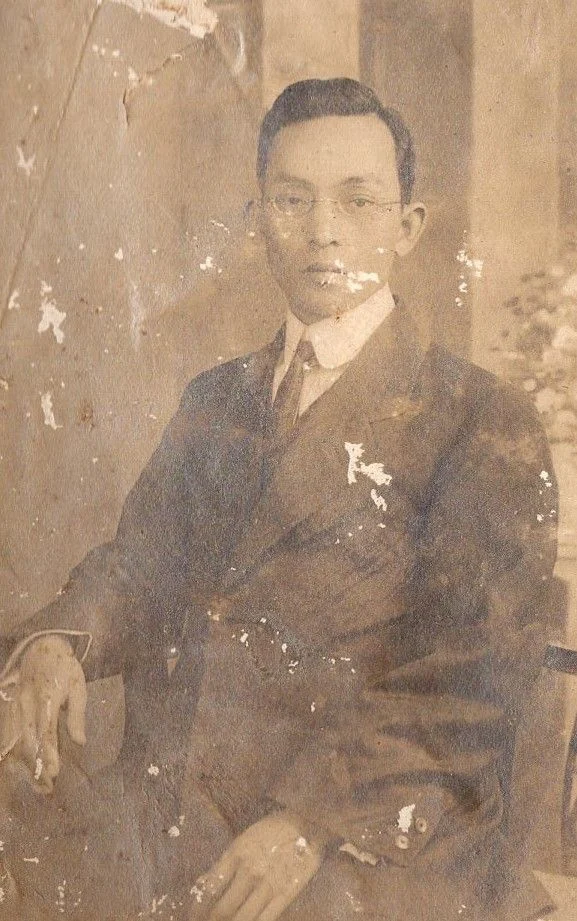
Hsu Tian-Te (1893–1960) was a man of the foot of Tiezhen Mountain in Waipu, Taichung, the fifth son of Hsu Chi-Chen, of the Hsu family’s second generation in Taiwan. Not long after Hsu Tian-Te was born, the island of Taiwan changed hands and passed to the Japanese colonial government. What he knew before the age of twenty was the Japanese oppression of the Taiwanese; in those same years he heard, too, of the cruel scenes in many parts of the island, where uprisings against Japanese rule were answered with massacres.
He once entered the Governor-General's National Language School to study. While there, Hsu Tian-Te was fond of reading books in classical Chinese. When this was discovered by people at the school, he was reprimanded, and so he chose to withdraw. He also once thought of crossing back over to the motherland, but because the Japanese police kept so close a watch on him, he felt the plan would in the end come to nothing, and never carried it out.
Dajia Pineapple
In the thirteenth year of Taisho (1924), the great Hsu-Huang household in Waipu divided its property, and Hsu Tian-Te, the youngest, received the pineapple garden in the division. His father and elder brothers had made their fortune in the Qing period through land reclamation and the rice-and-grain trade; the manufacture of canned pineapple was the Hsu family's first step into the world of industry.
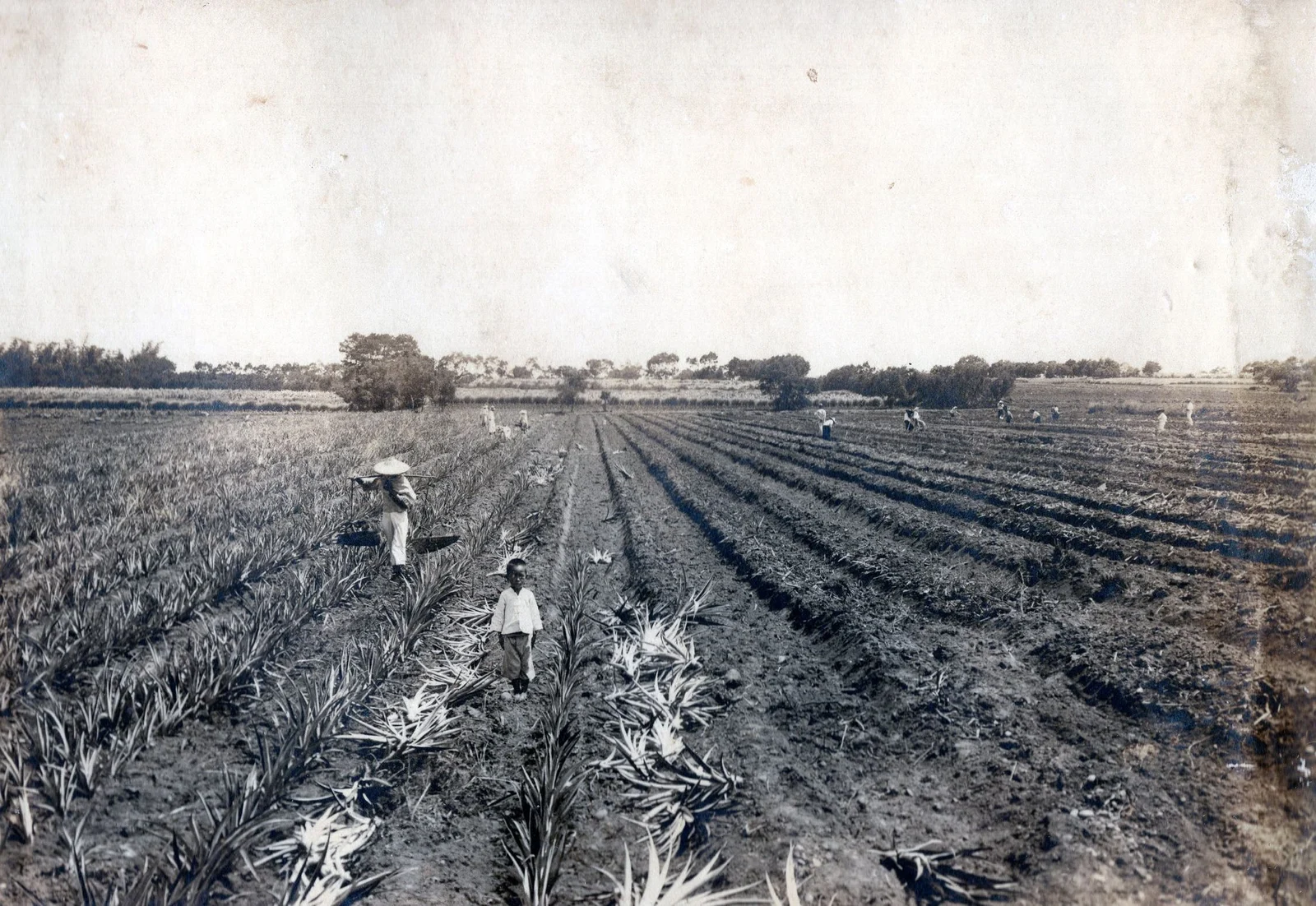
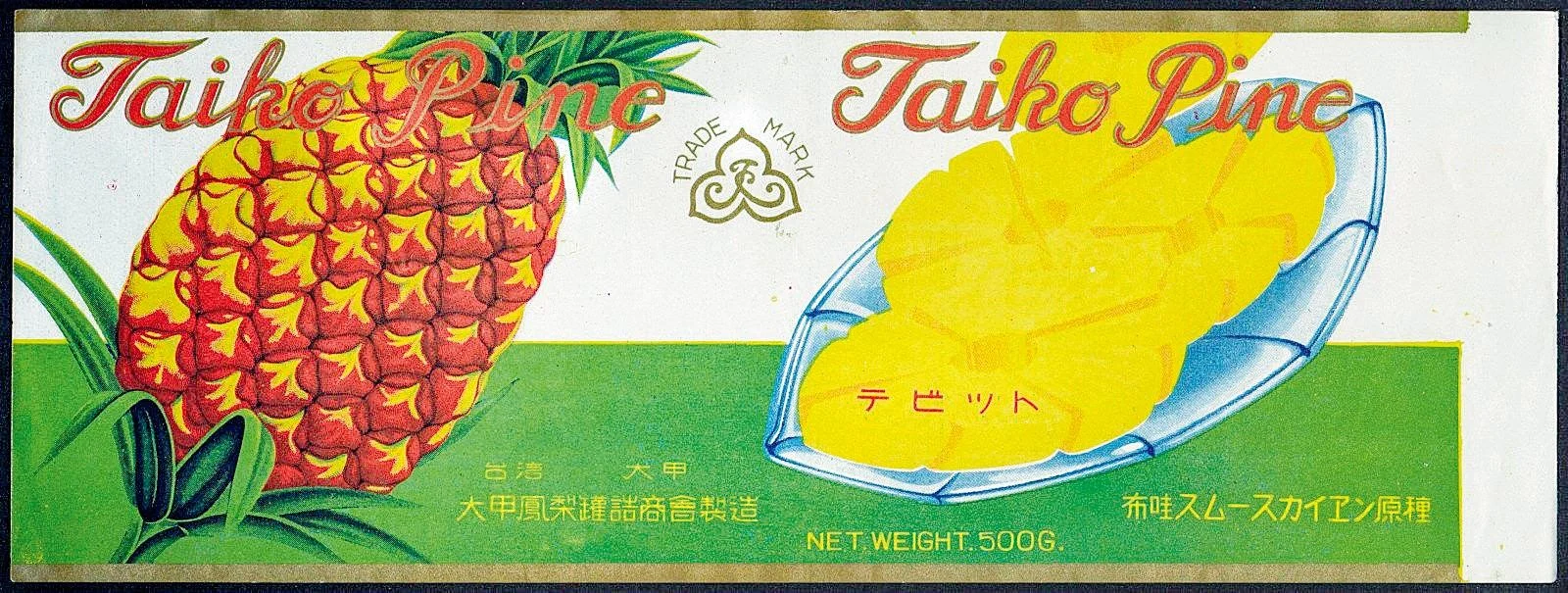
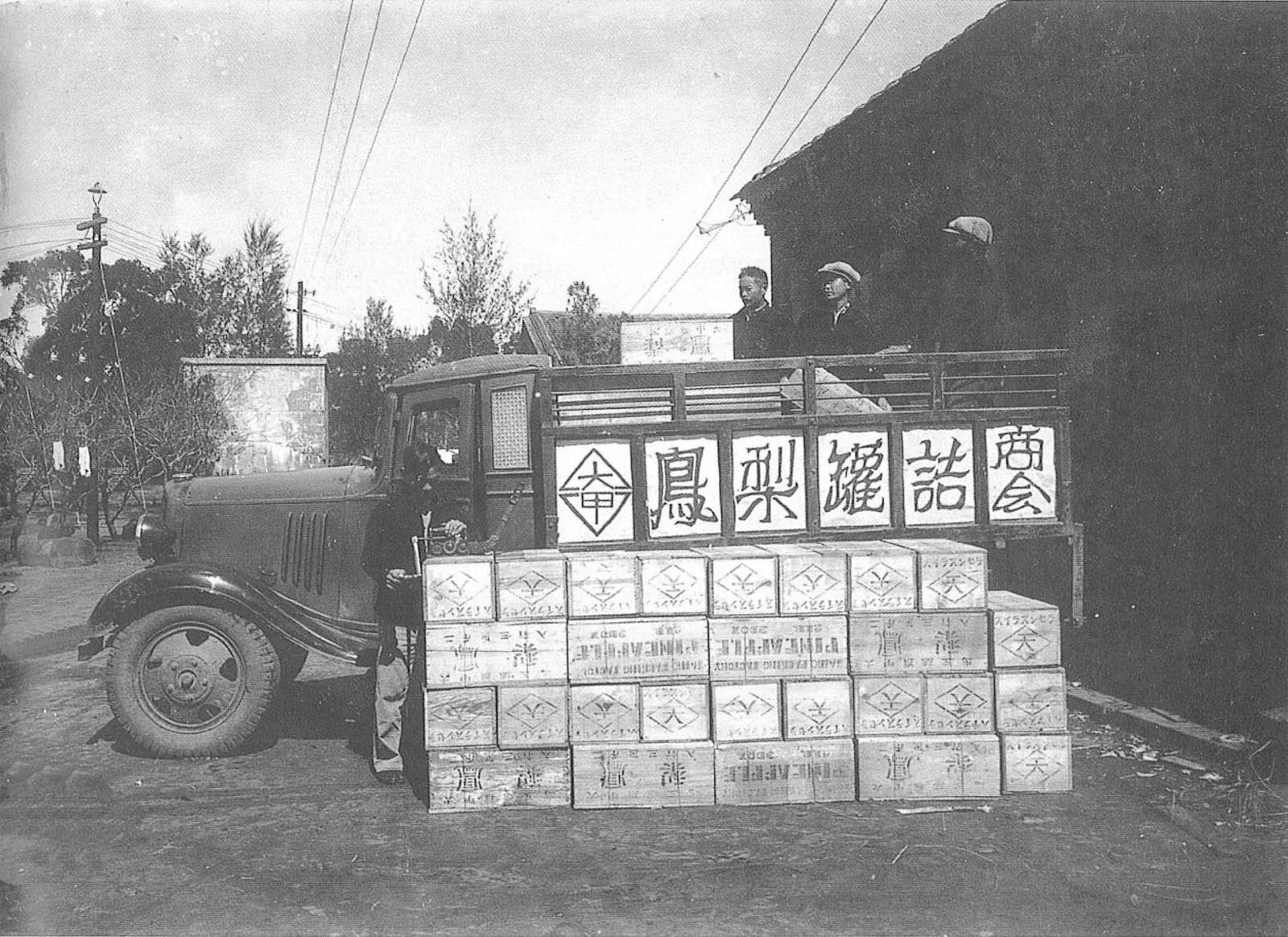
In the 1920s, sales of canned pineapple from the island of Taiwan grew at headlong speed. With the barrier to entry low and export volumes considerable, industrialists from the island and the Japanese mainland alike were drawn into the trade—among them Hsu Tian-Te. He founded the Taiko Pineapple Cannery as a sole proprietorship, a rarity in those days, and ran a pineapple farm at Meishan to supply raw material to the factory, which turned out canned pineapple for export.
The Helmsman
Unlike Hsu Tian-Te, whose relations with the Japanese side were tense, his third elder brother Hsu Tian-Kui, for the sake of the family's survival, chose to enter the colonizers' bureaucratic system, serving throughout the 1920s as head of Waipu town. This period was also the time when Hsu Tian-Te rode high in his enterprise.
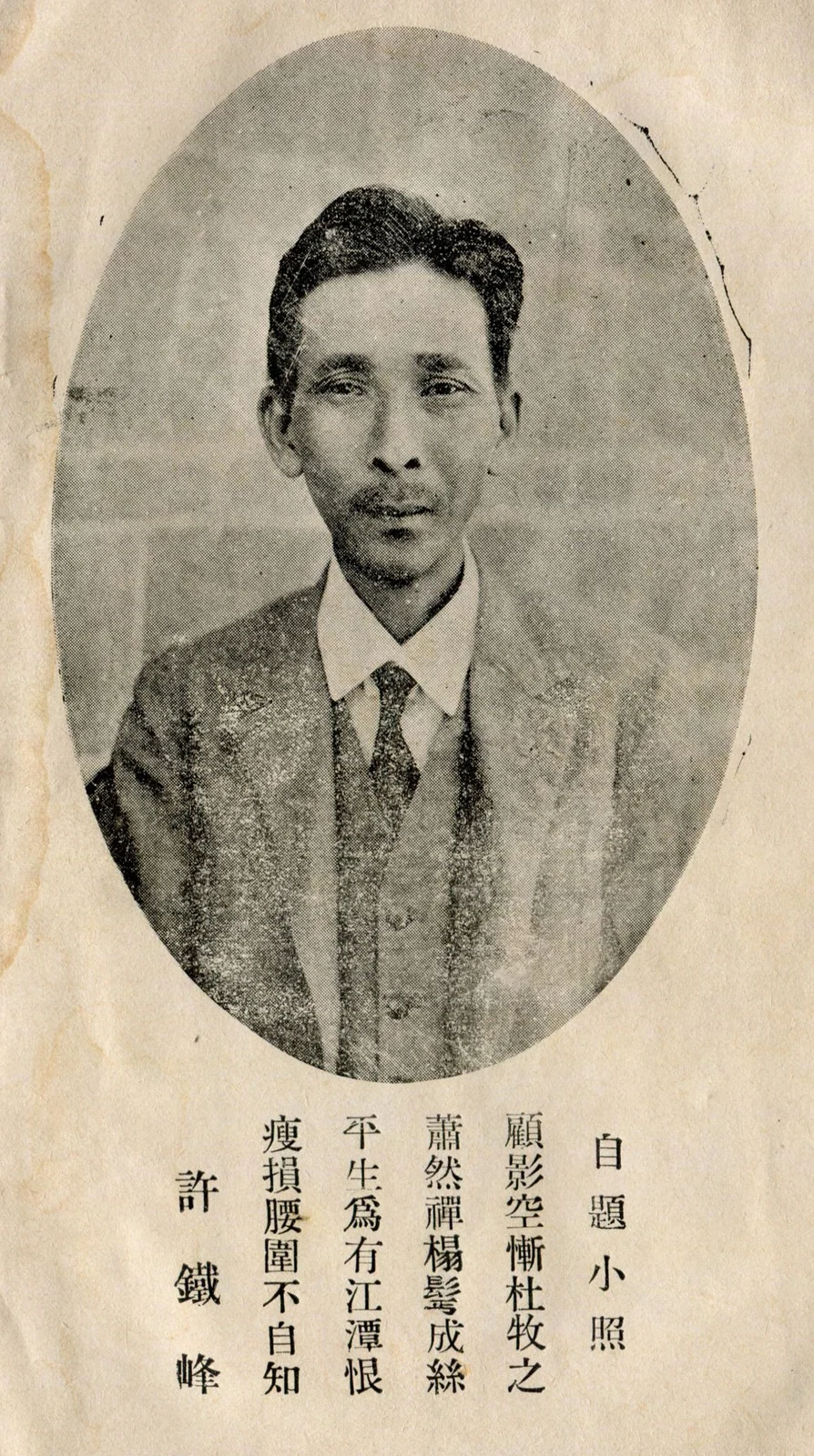
顧影空慚杜牧之 蕭然禪榻鬢成絲 平生為有江潭恨 瘦損腰圍不自知 ——— Gazing on my own image, I am shamed before Du Mu; forlorn on the meditation couch, my temples turned to silk. All my life I have borne the exile's grief of the river-bank, and never knew how thin my waist had worn.
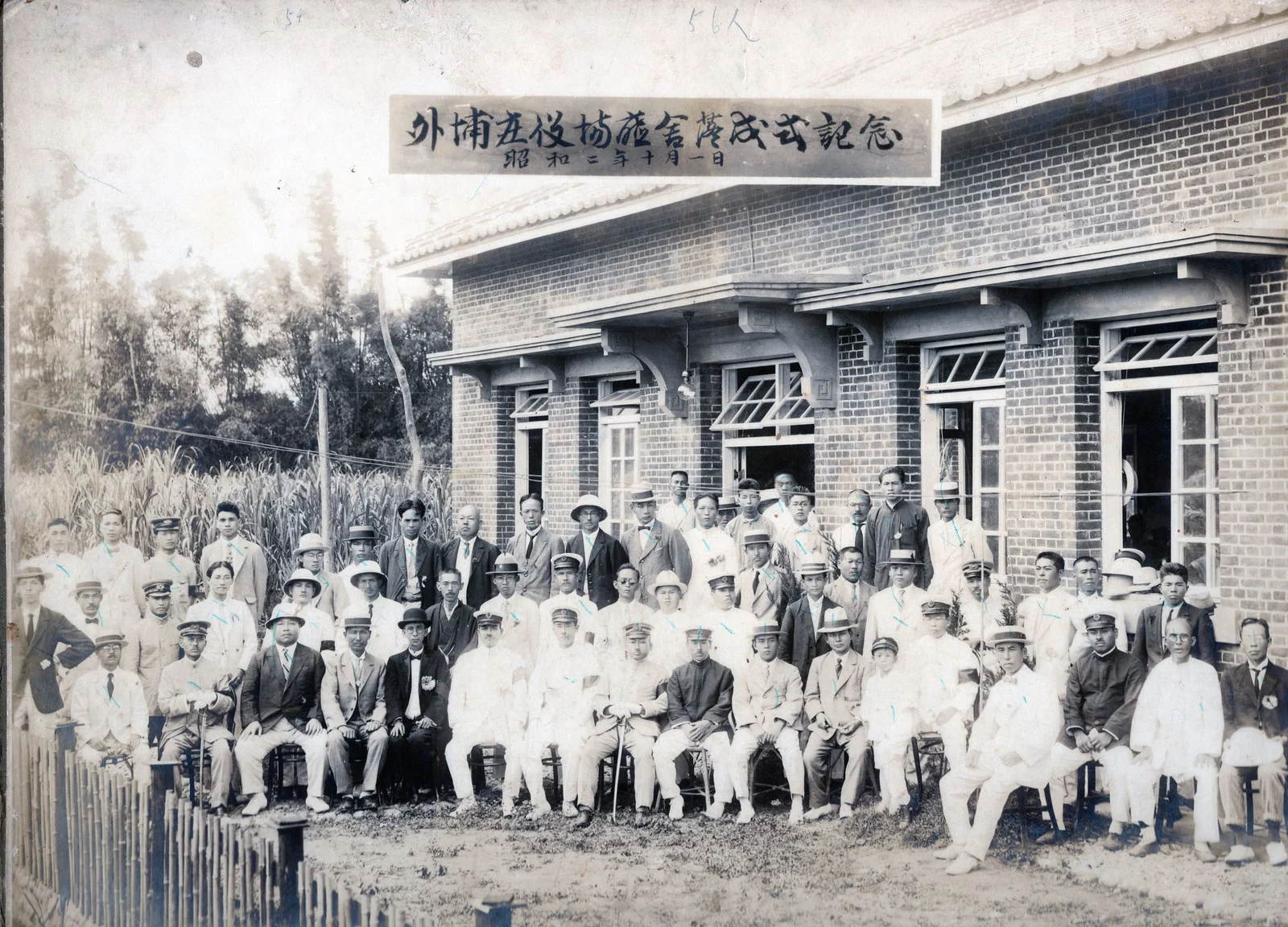
The first of October, the second year of Showa (1927).
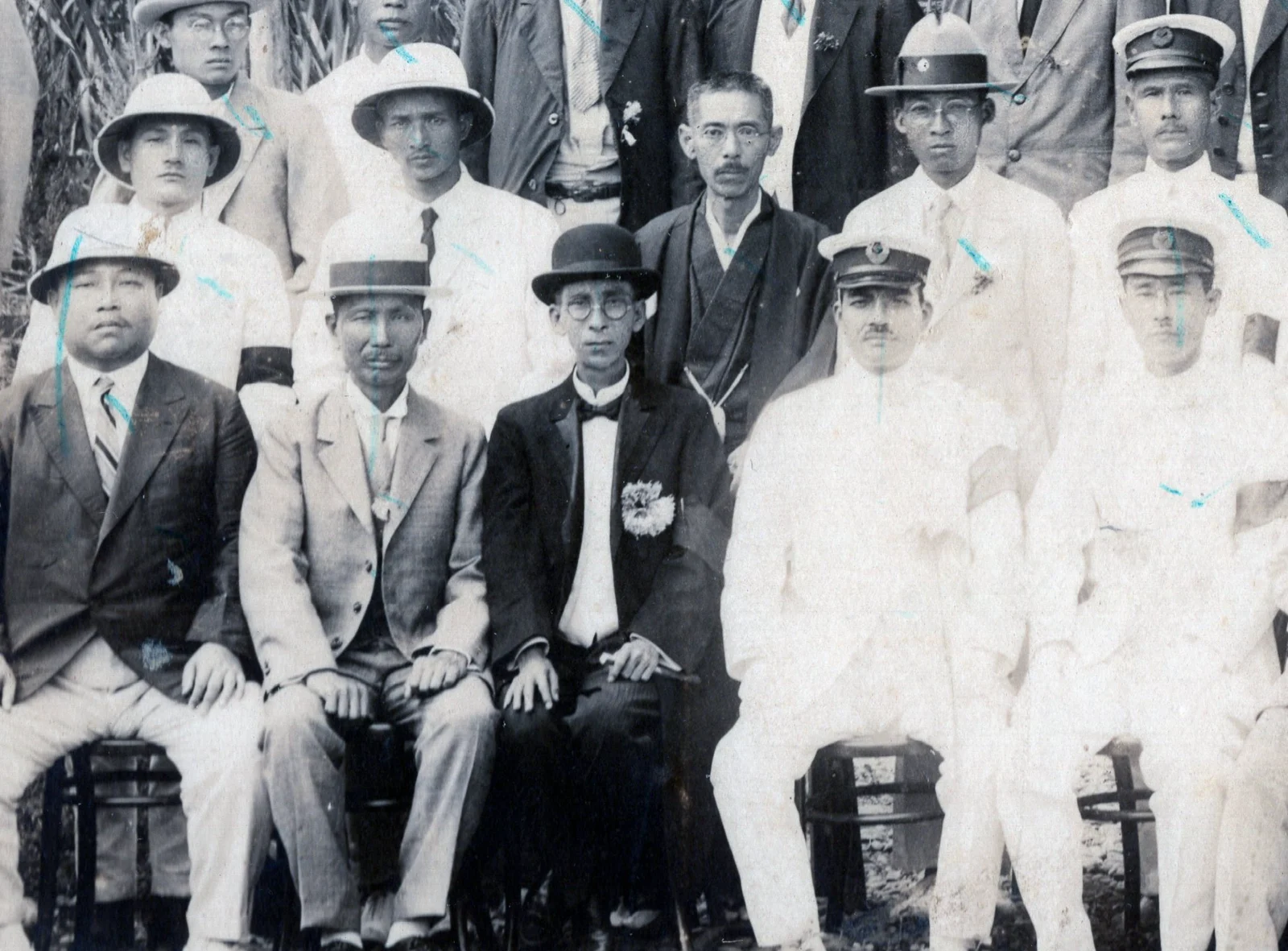
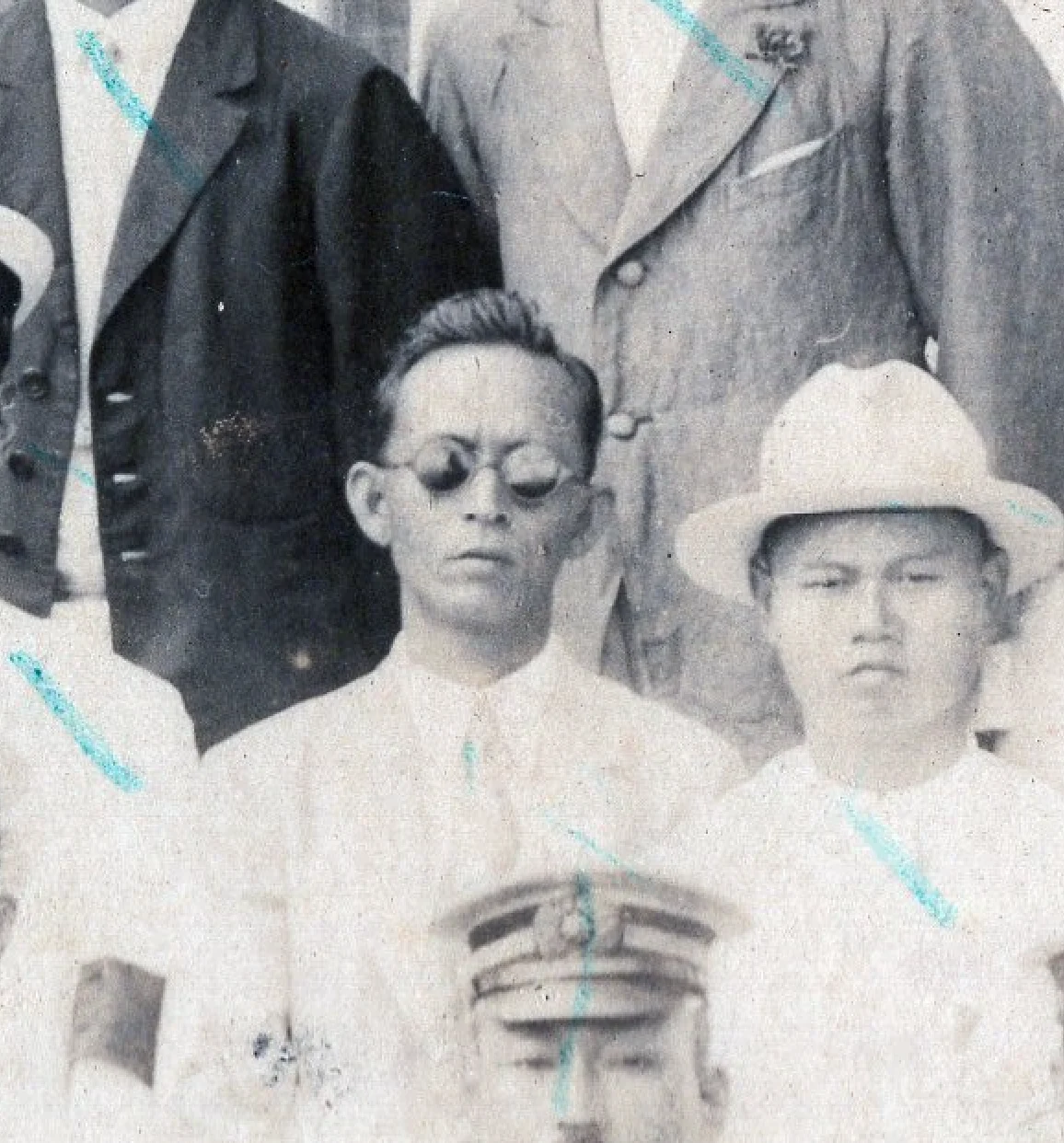
Hsu Tian-Te is the man in dark glasses, in the middle of the second row.
New Blood for Dajia Pineapple
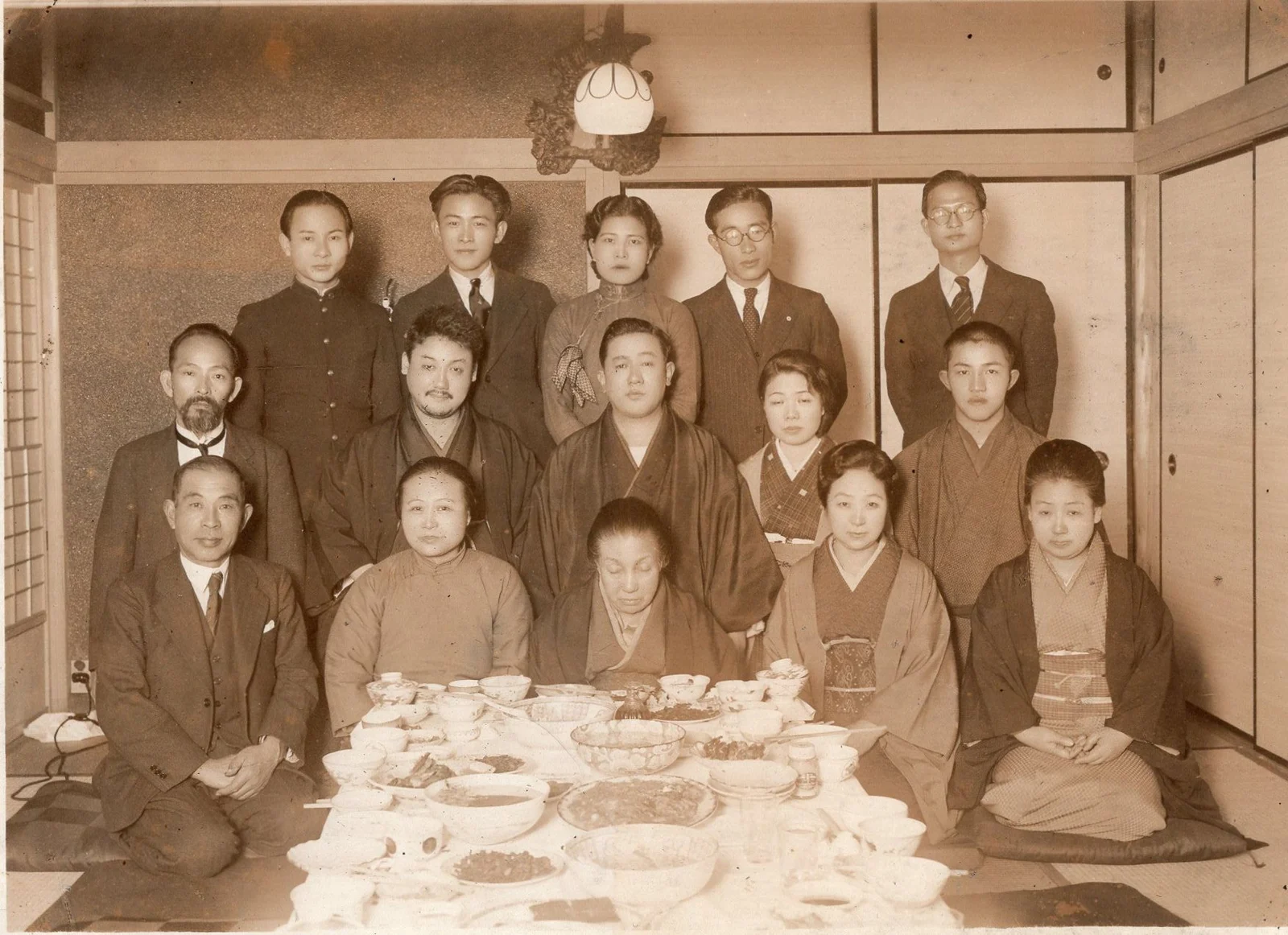
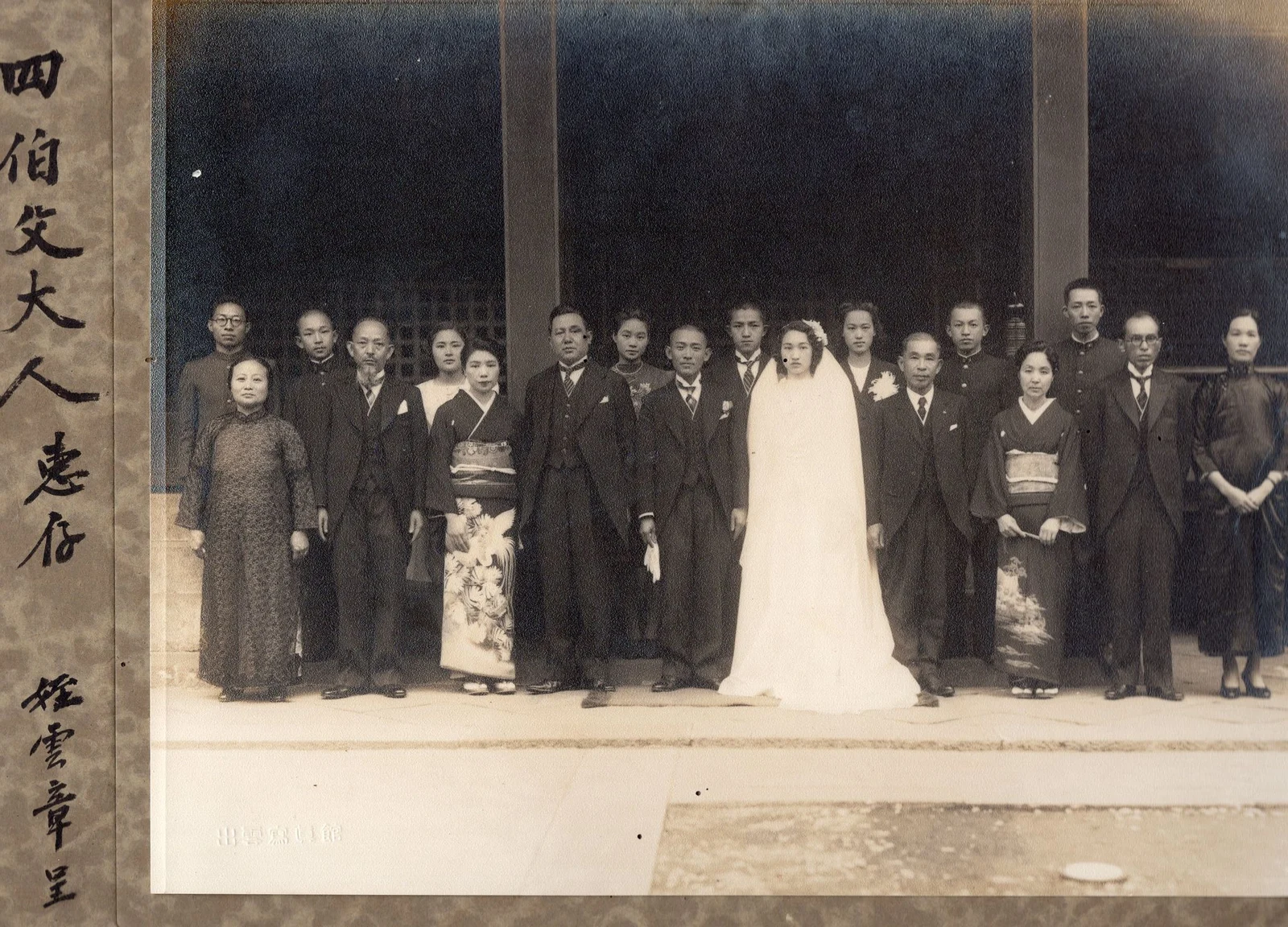
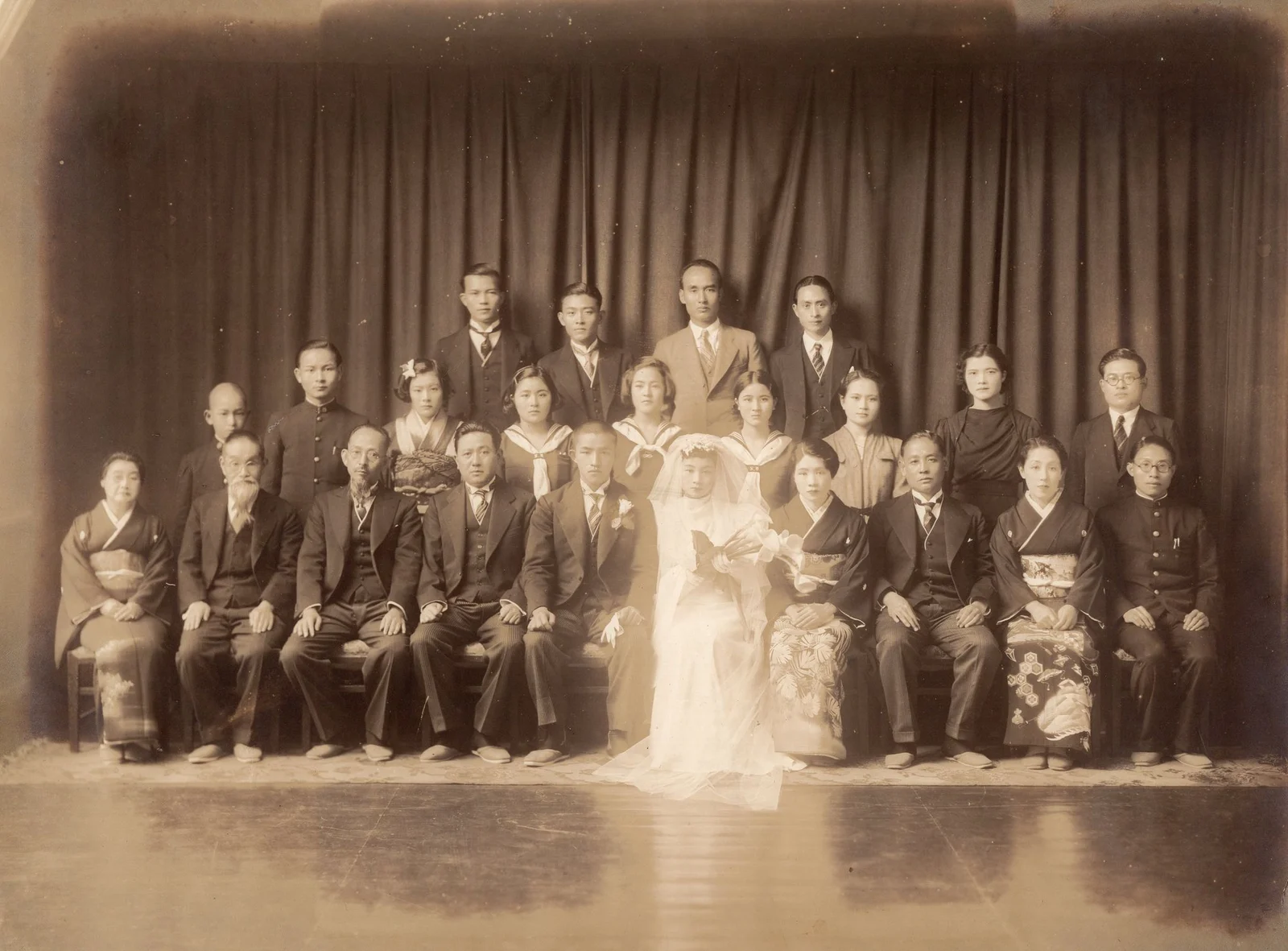
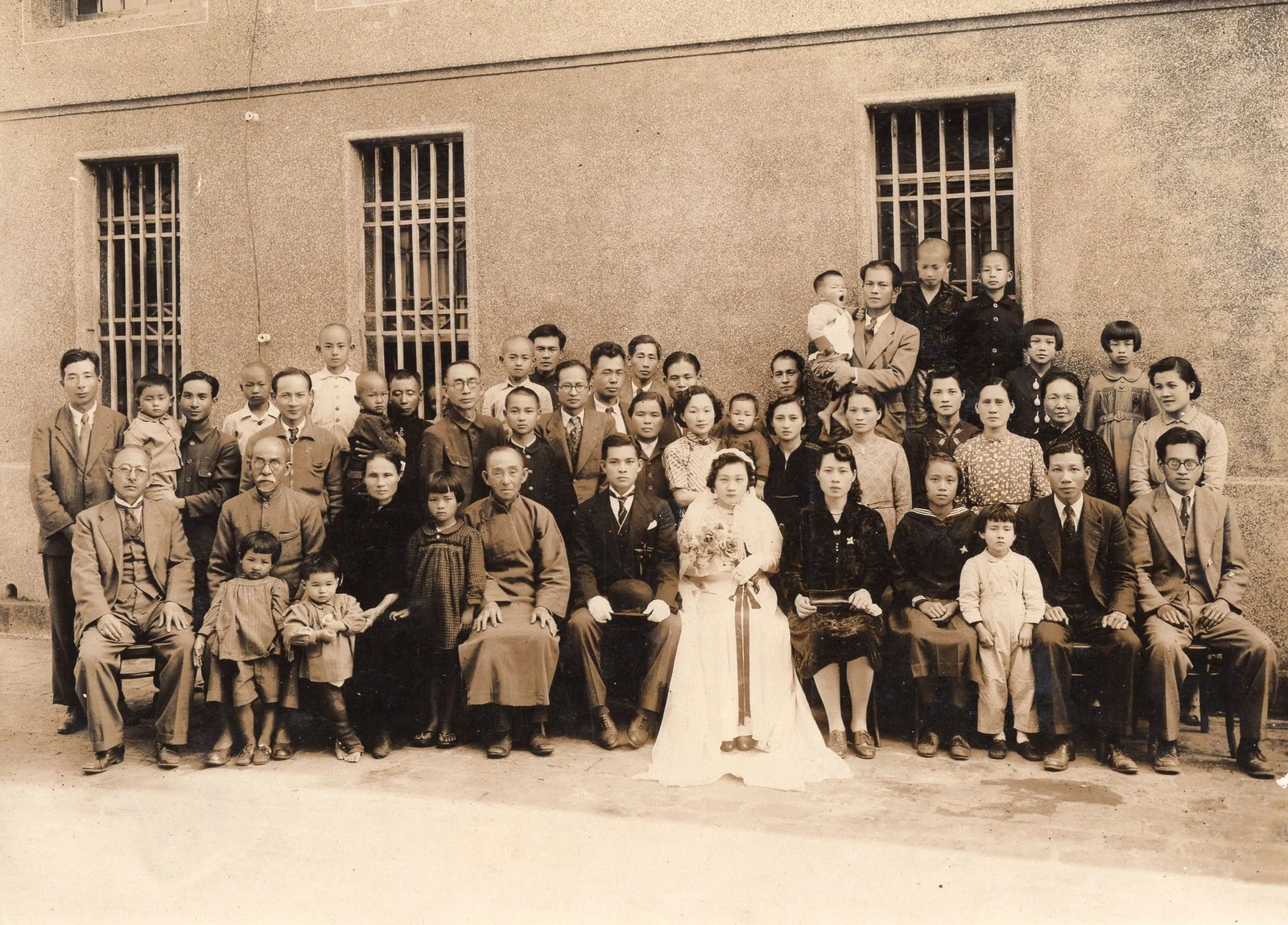
Hsu Yun-Yang (1913–2008) was a man of the foot of Tiezhen Mountain in Waipu, Taichung, and a graduate of Waseda University in Japan. His father was Hsu Tian-Hsiang, Hsu Tian-Te's fourth elder brother. The eldest son, Hsu Yun-Yang, went on, after graduating from Taichu First Middle School, to study in the Faculty of Political Science and Economics at Waseda University, and in the eleventh year of Showa (1936) held his wedding, which Hsu Tian-Te too attended with his whole family. After the wedding, Hsu Yun-Yang completed his degree.
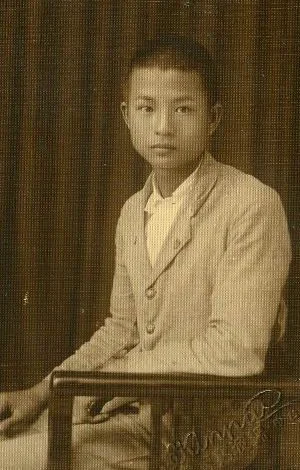
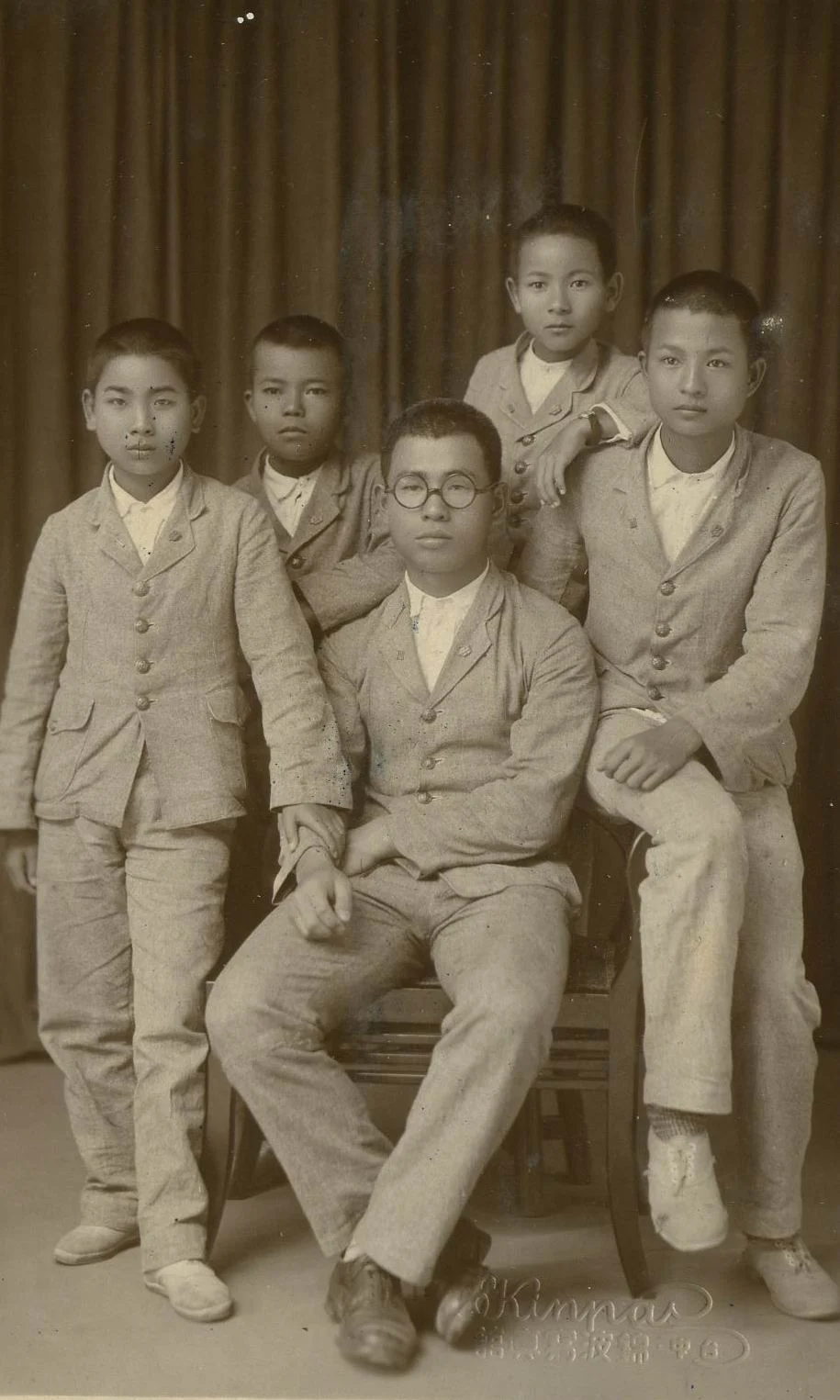
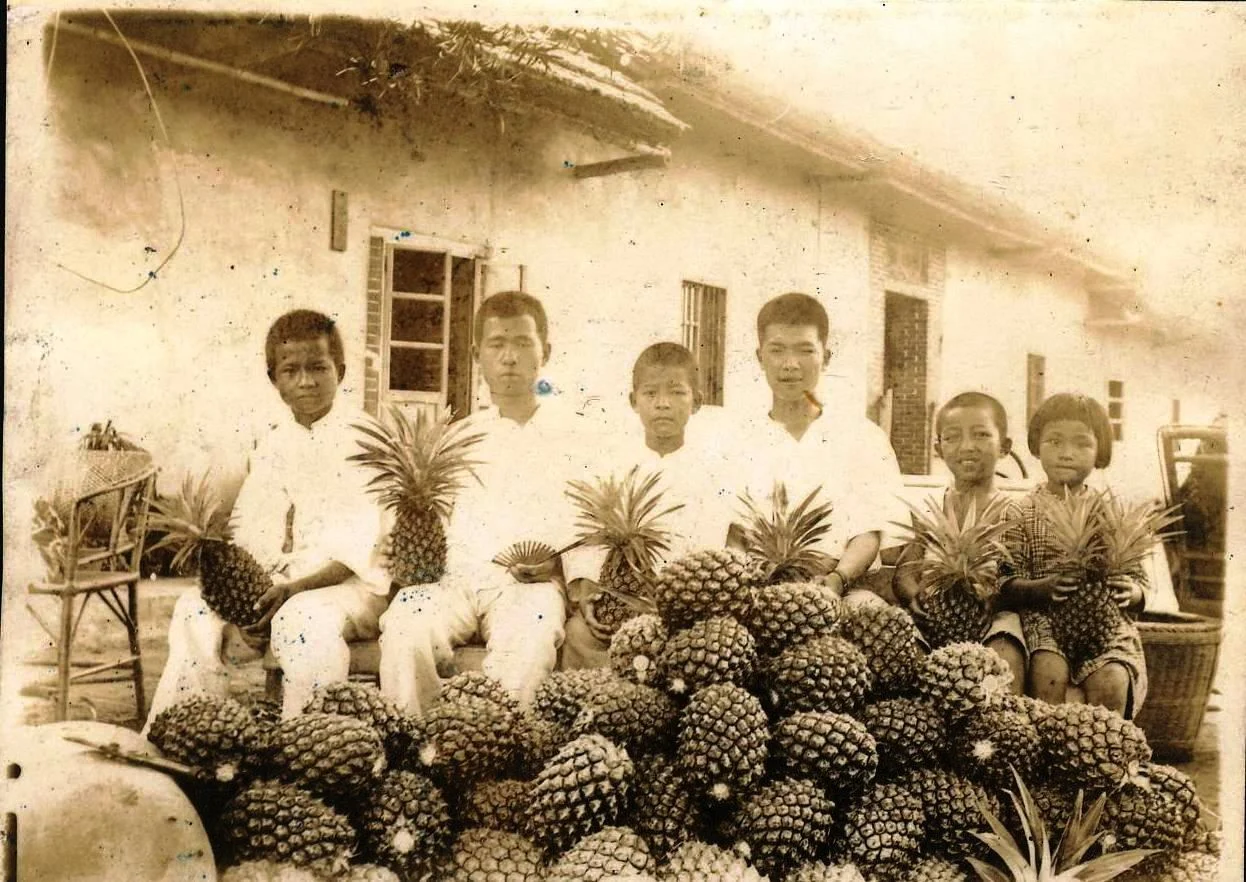
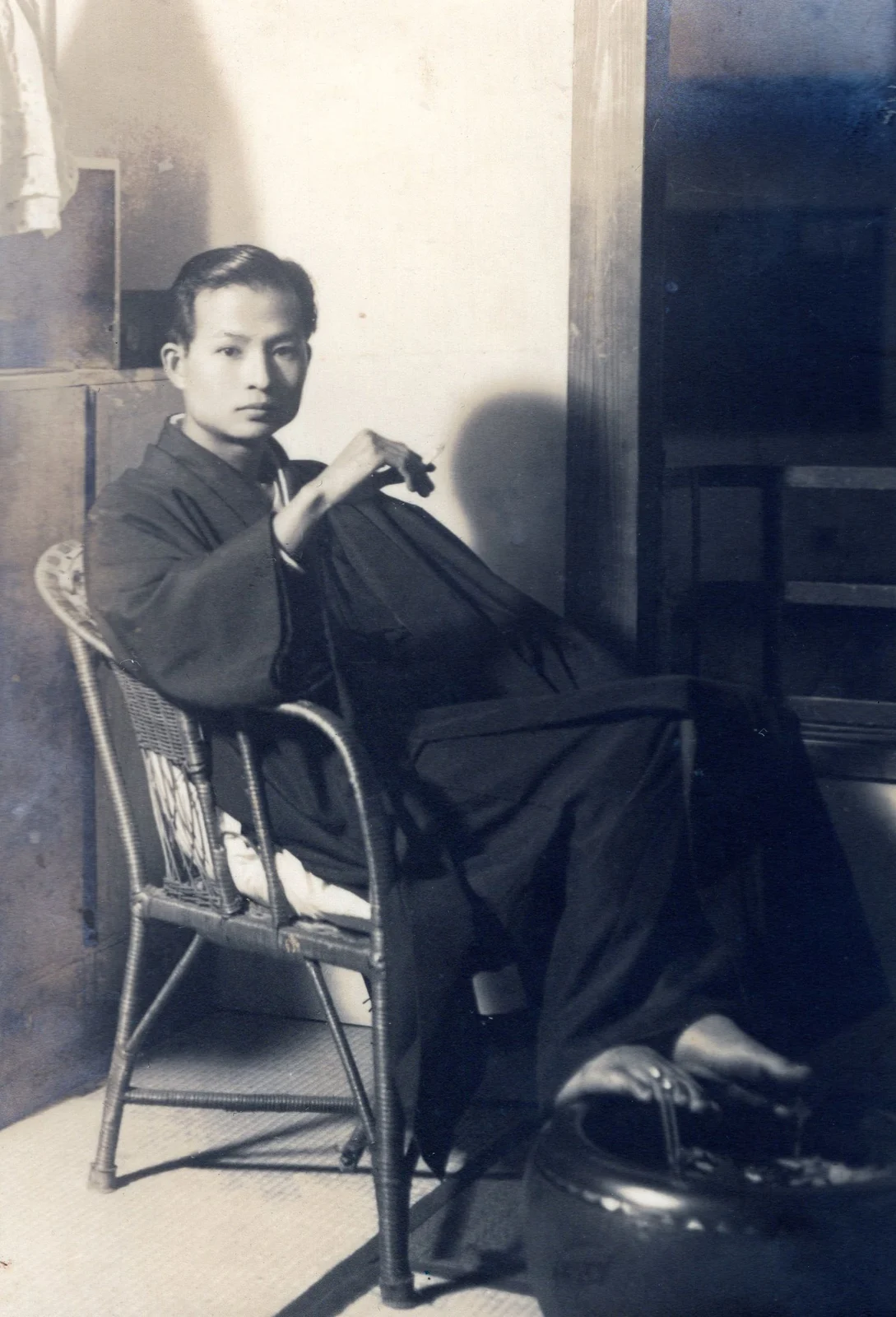
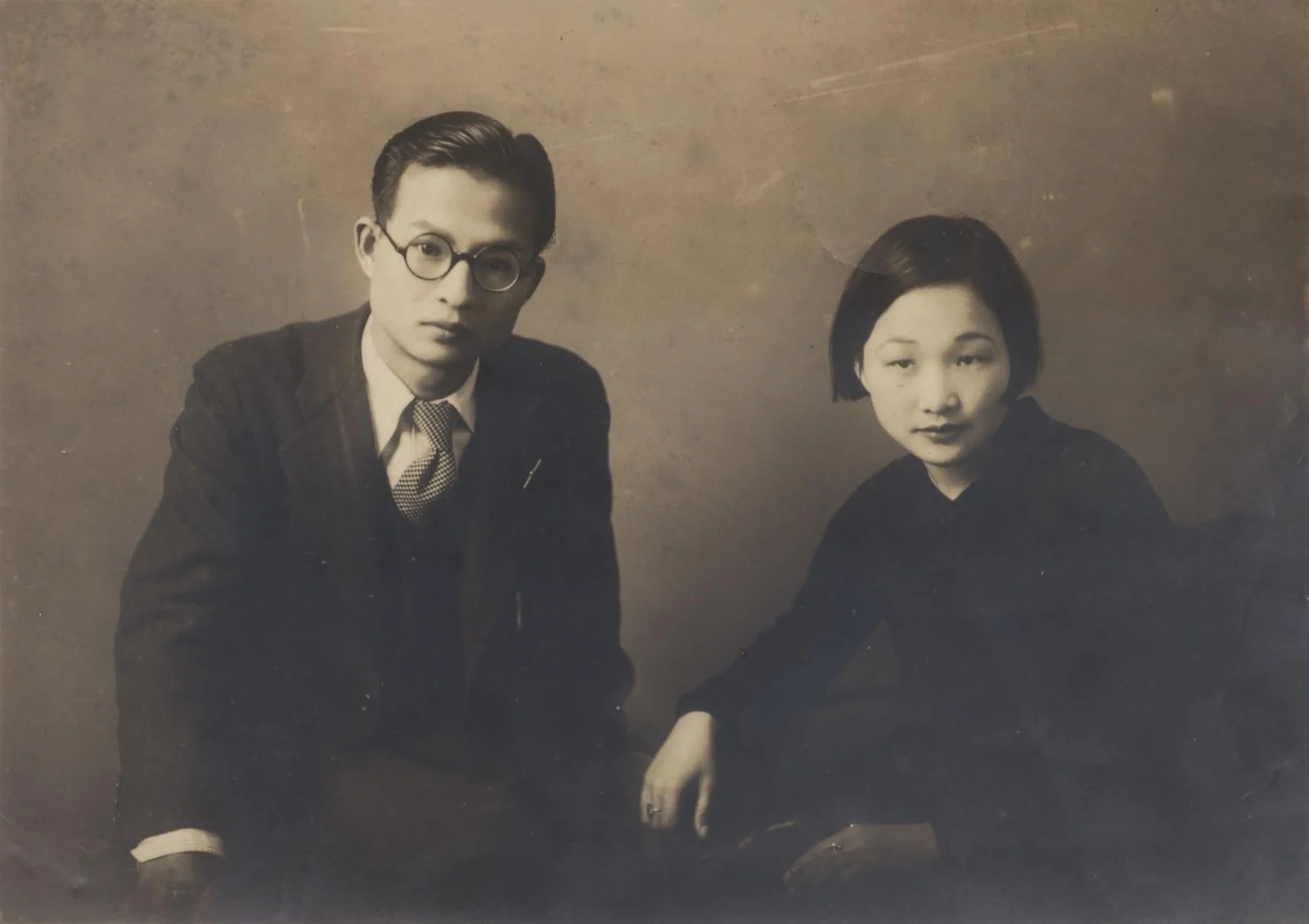
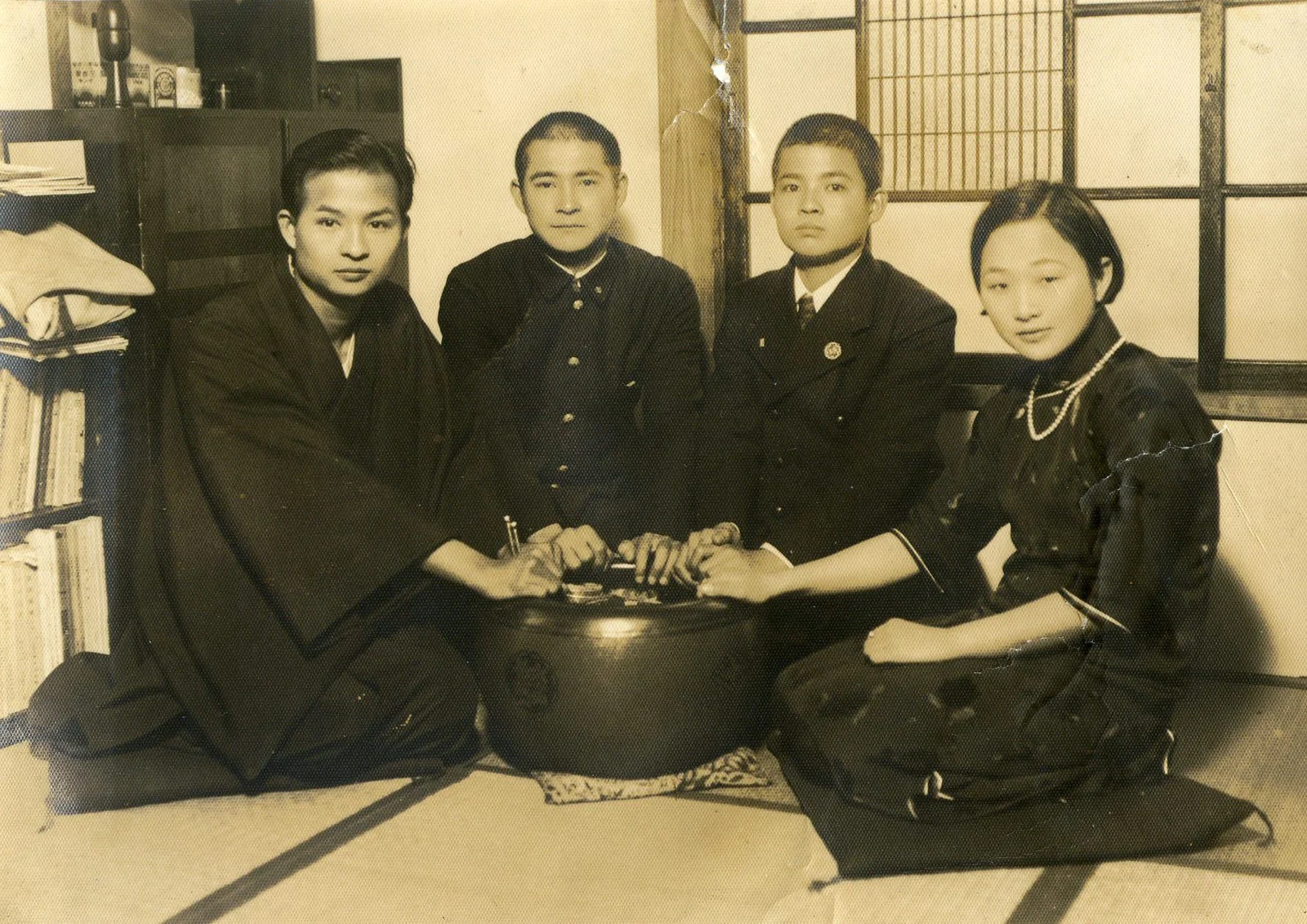
From left: Hsu Yun-Yang, Hsu Yun-Tang (the third brother), Hsu Yun-Cong (the fourth brother), Hsu Huang Hsiu-Luan.
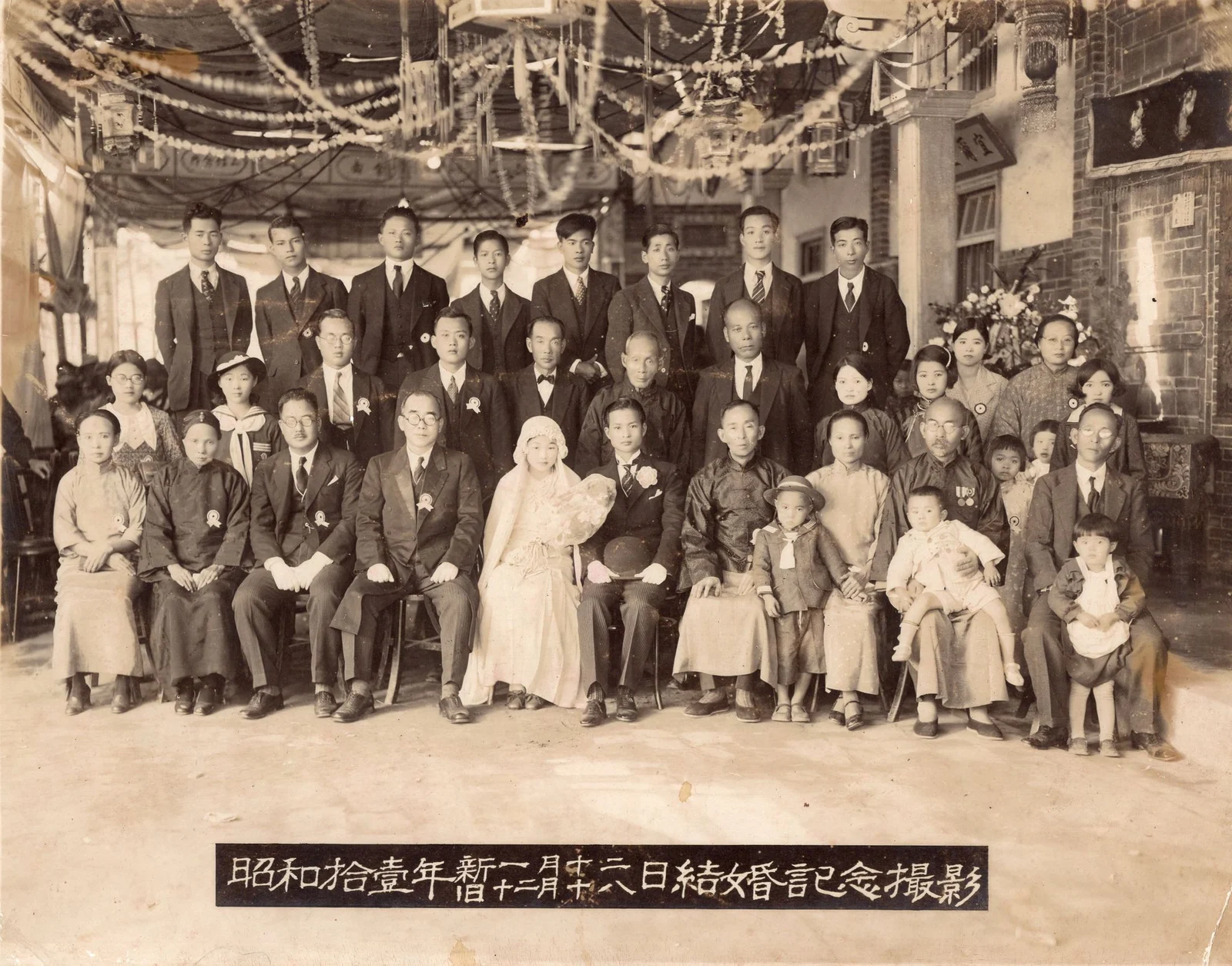
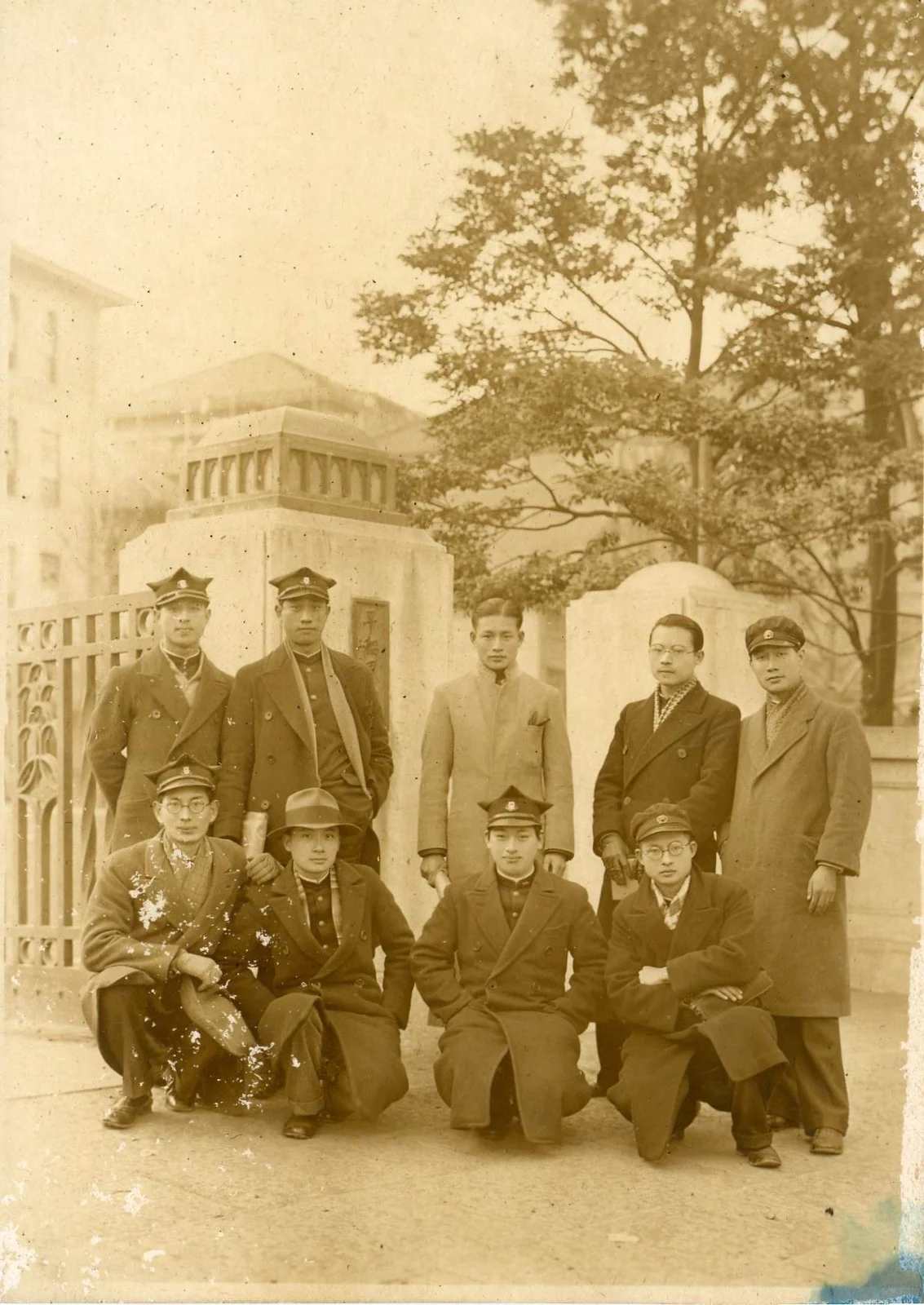
After returning to Taiwan, Hsu Yun-Yang took part in the "Dajia District Cooperative Shinto-Reverence and Daily-Life Guidance Leaders' Training Assembly." In this body, the chief secretaries and chairmen of the town farmers' associations gathered at regular intervals and rigorously carried out spiritual training, tempering their characters through trials of endurance. At the same time he served as an officer of the "Taichu Prefecture Industrial Cooperative." By such means Hsu Yun-Yang bettered himself and widened his web of connections.
Beyond such outside groups, Hsu Yun-Yang's family had also built up a solid web of personal ties. At that time the Hsu family's enterprises were led by the Taiko Pineapple Cannery run by his uncle Hsu Tian-Te, and the family's fortunes seemed to be at their very zenith.
And yet, an undertow was already stirring beneath the surface. At this very moment Dajia Pineapple—the Taiko cannery—began to come under pressure from the newly appointed district administrator—just as Hsu Yun-Yang had entered the family's pineapple cannery to work.
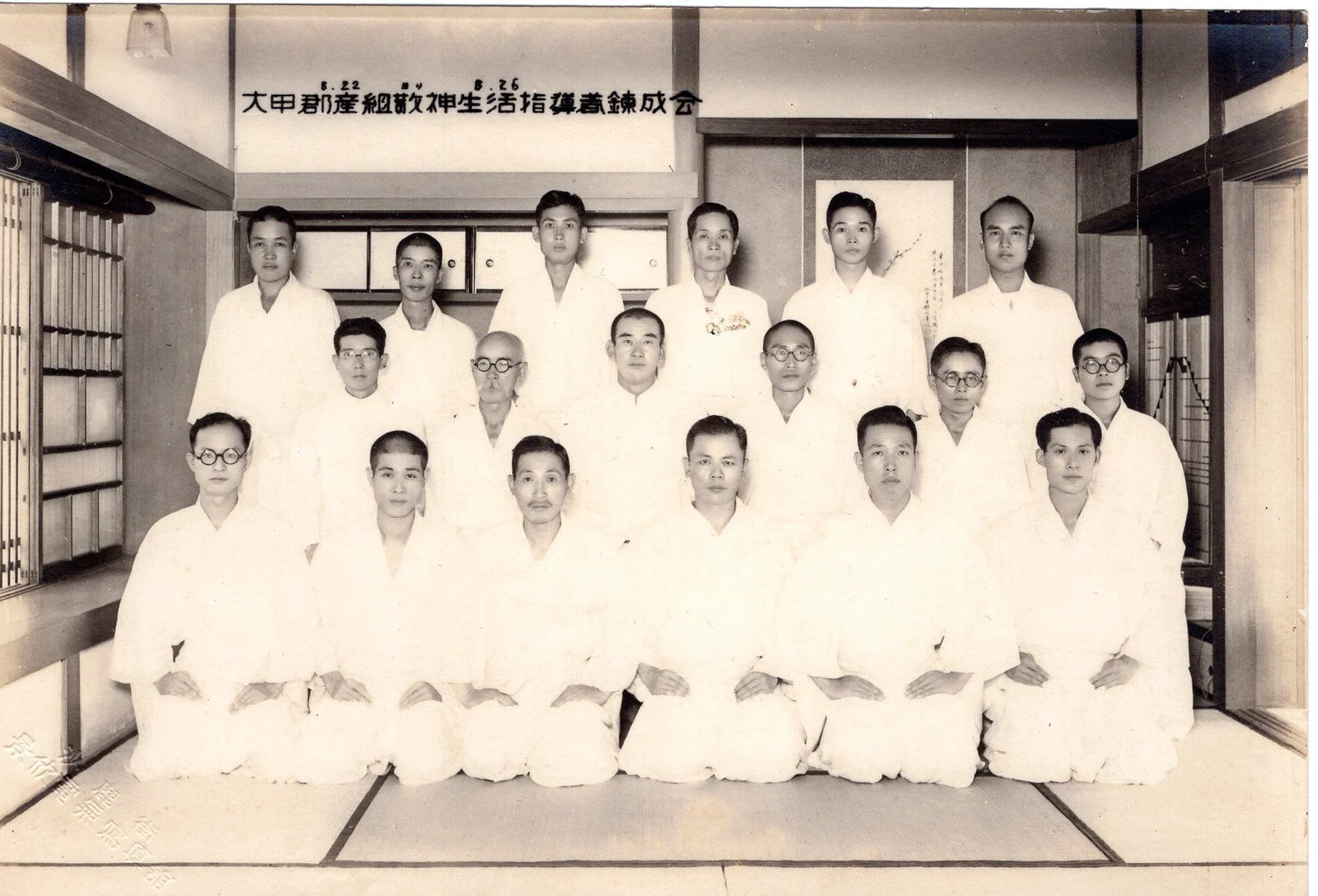
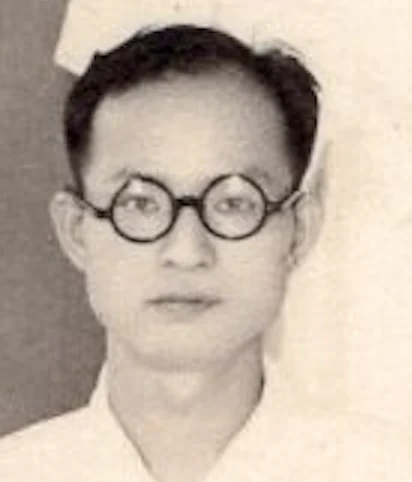
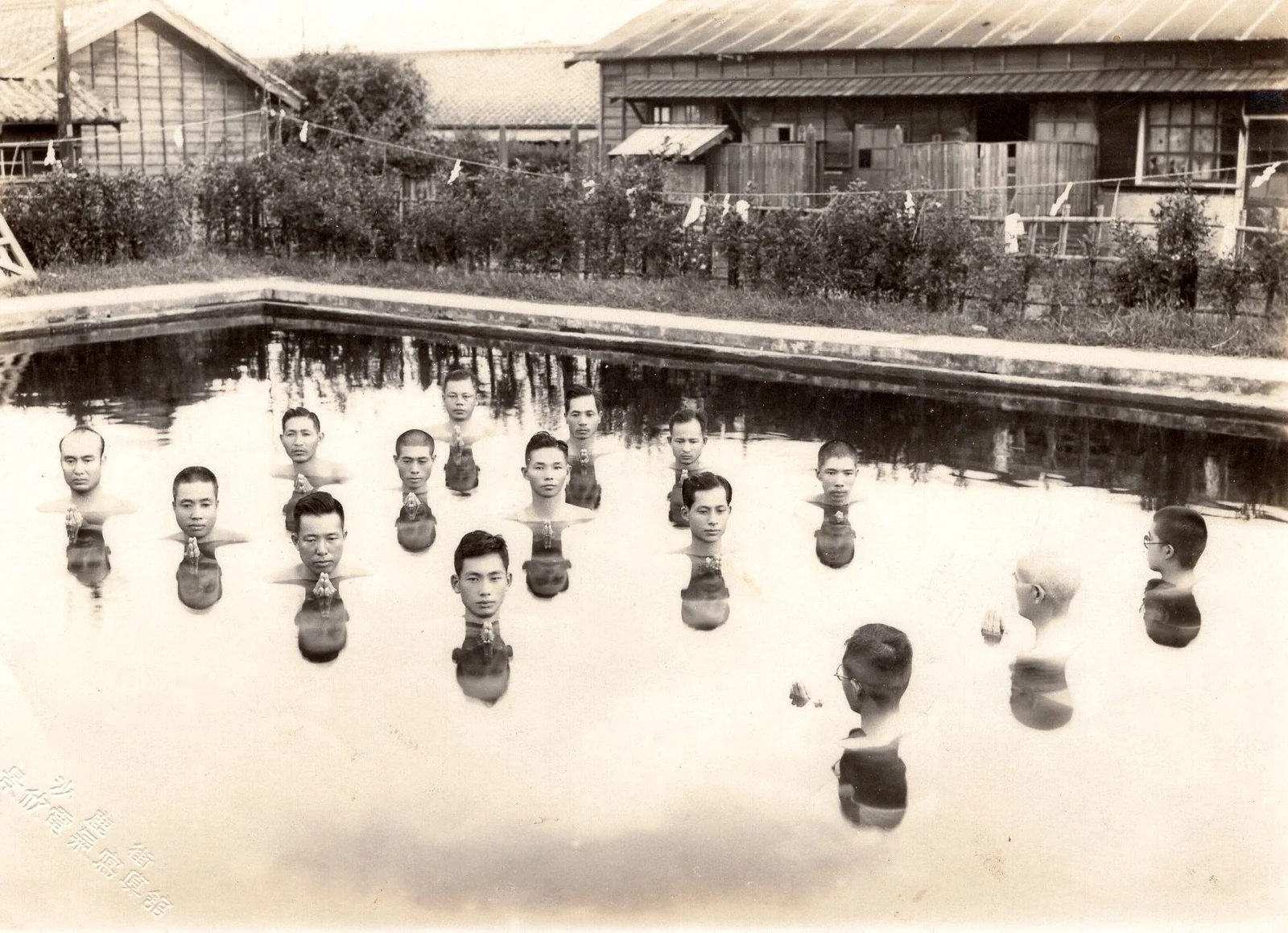
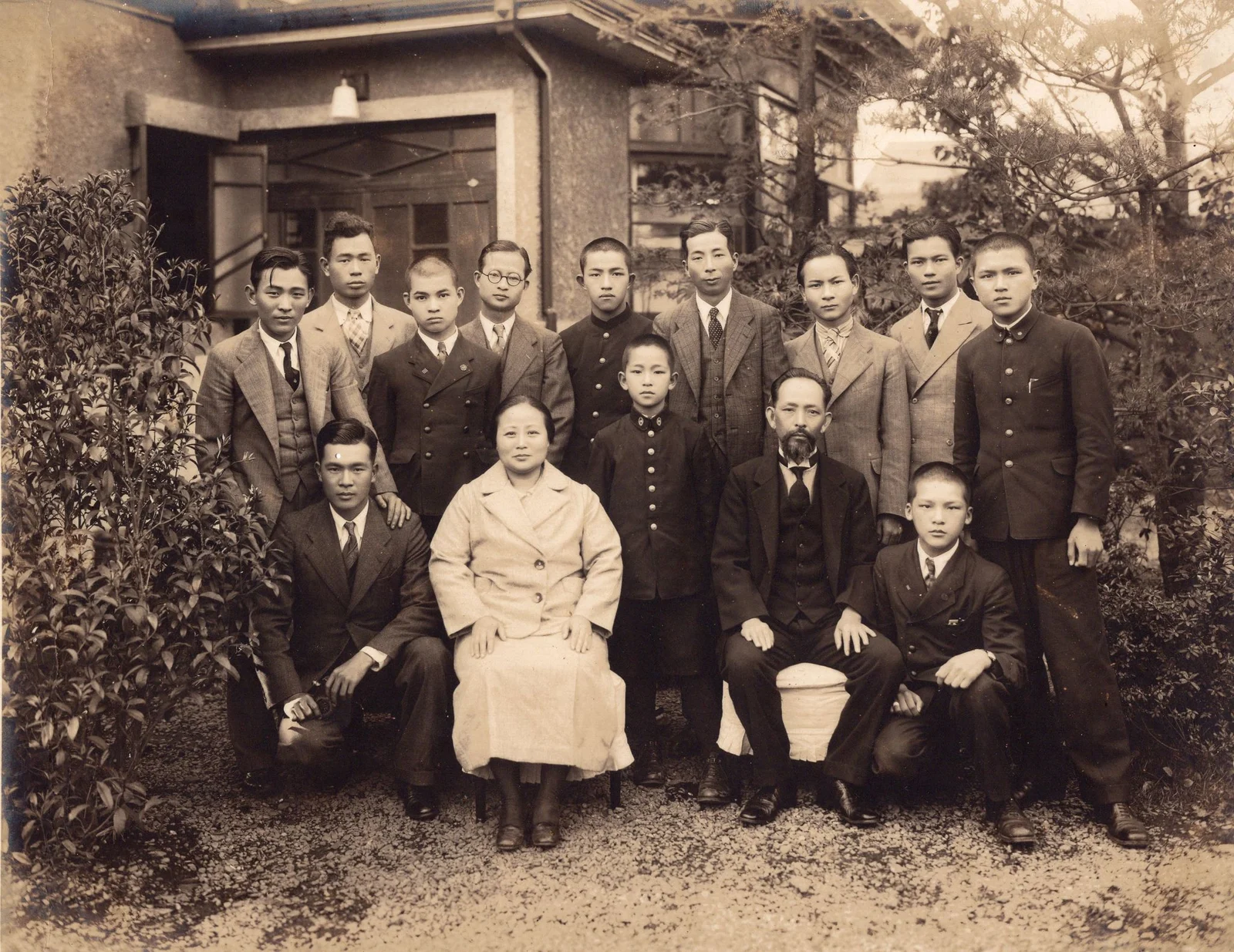
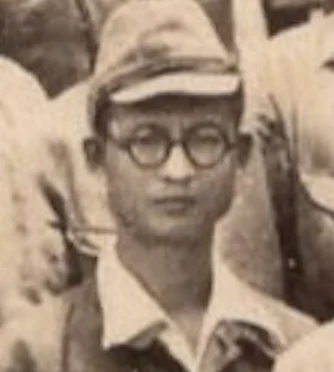
Hsu Yun-Yang is fourth from the left in the back row.
Hsu Yun-Yang is first from the right in the back row.
Crisis
The pineapple enterprise made Hsu Tian-Te rich, yet a few years on it turned, little by little, into a crisis.
After Hsu Tian-Kui stepped down as town head in the fifth year of Showa (1930), the authorities had intended Hsu Tian-Te to take up the post, but he politely declined. In 1935 they again invited him to serve as a government-appointed councilor under the reorganized system, and again met with a gentle rebuff. These two refusals made Hsu Tian-Te a problem figure in the eyes of the authorities. From then on, whenever he went out of the district, there were men watching his movements.
In June of the tenth year of Showa (1935), the Taiwan Godo Pineapple Company was established. This was an established policy of the Government-General: to buy up and consolidate all the pineapple factories of Taiwan into a single company. After its founding, of the seventy-eight pineapple factories in all of Taiwan, seventy-seven were absorbed into it. The only one that would not compromise was the Taiko Pineapple Cannery: Hsu Tian-Te would not sell his factory to the Taiwan Godo Pineapple Company, wishing to keep the right to operate independently, and from then on the Taiko Pineapple Cannery became a thorn in the side of the Government-General.
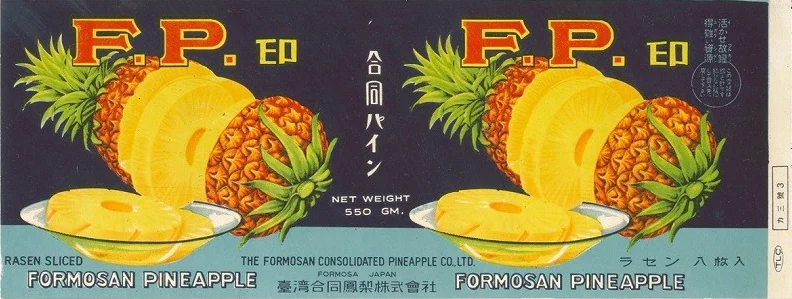
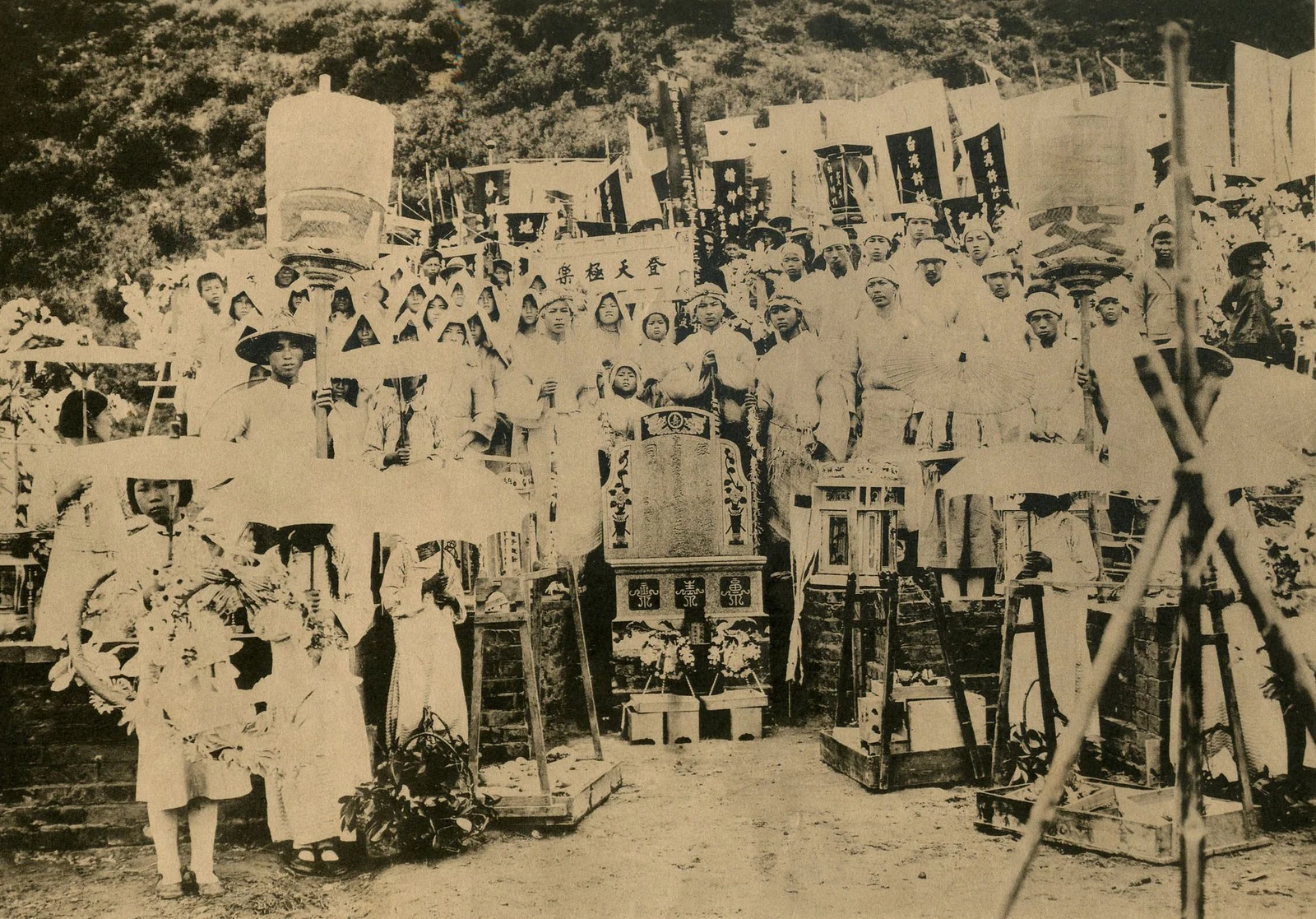
That same year (1935), Hsu Tian-Te's third elder brother Hsu Tian-Kui died, and the Hsu family's influence in local politics during the Japanese colonial period came to a close.
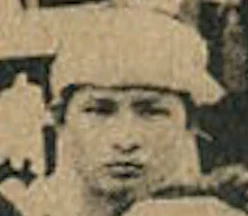
Yokoyama Takeo, the Dajia District Administrator
When all the other pineapple factories of Taiwan had been merged, Dajia Pineapple alone went on resisting. Over the years that followed, the Government-General, prefecture, district, and local police brought to bear every kind of intimidation, by word and by force alike, even threatening to charge Hsu Tian-Te and throw him into prison; under such coercion he fled far away to Tokyo.
In December of the eleventh year of Showa (1936), Yokoyama Takeo took office as the Dajia district administrator. The Taiko Pineapple Cannery's stubborn refusal of the merger exasperated him, and he resolved to mobilize every resource to bring Hsu Tian-Te to heel. Yokoyama Takeo once set out from Dajia and went to Tokyo to hunt down Hsu Tian-Te, only to abandon the attempt when Toyama Mitsuru intervened to stop him.
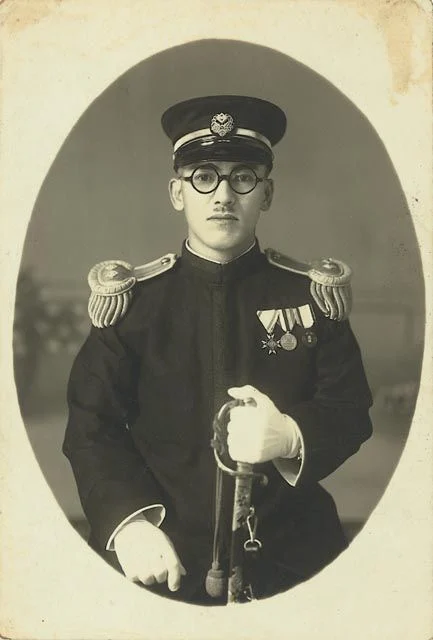
The "Venerable Toyama, the Great Champion" as Hsu Tian-Te Called Him
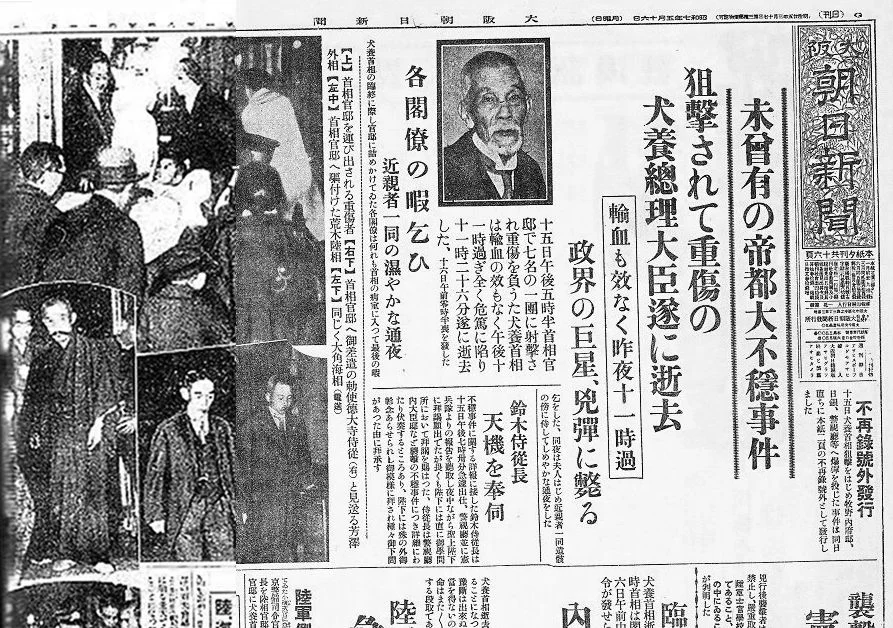
The story of this man Toyama Mitsuru may well begin with the May 15 Incident. The May 15 Incident was an abortive coup launched on May 15 of the seventh year of Showa (1932) by junior officers of the Imperial Japanese Navy; among those who took part were cadets of the Imperial Japanese Army and remnants of the League of Blood Incident. The young officers put into action an assassination they had long been planning: Inukai Tsuyoshi, the prime minister of the day, was shot dead in a hail of bullets at his official residence, to the shock of the world—and the murdered Inukai Tsuyoshi was none other than a political ally and friend of decades' standing to Toyama Mitsuru.
Among Toyama Mitsuru's sons were Toyama Izumi and Toyama Hidezo; Toyama Hidezo, too, was sentenced in the trial over the May 15 Incident.
Drawing the timeline back to the late nineteenth century, the famous assassination plots connected with Toyama Mitsuru also include the bombing, in 1889, of Foreign Minister Okuma Shigenobu by Kurushima Tsuneki, a man of Genyosha origins—Toyama, it is said, knew of the plan beforehand and had the bomb supplied through an intermediary, and though arrested was released almost at once. And Koyama Toyotaro, who shot Li Hongzhang at Shimonoseki in 1895, likewise came under Toyama's protection after his release from prison.
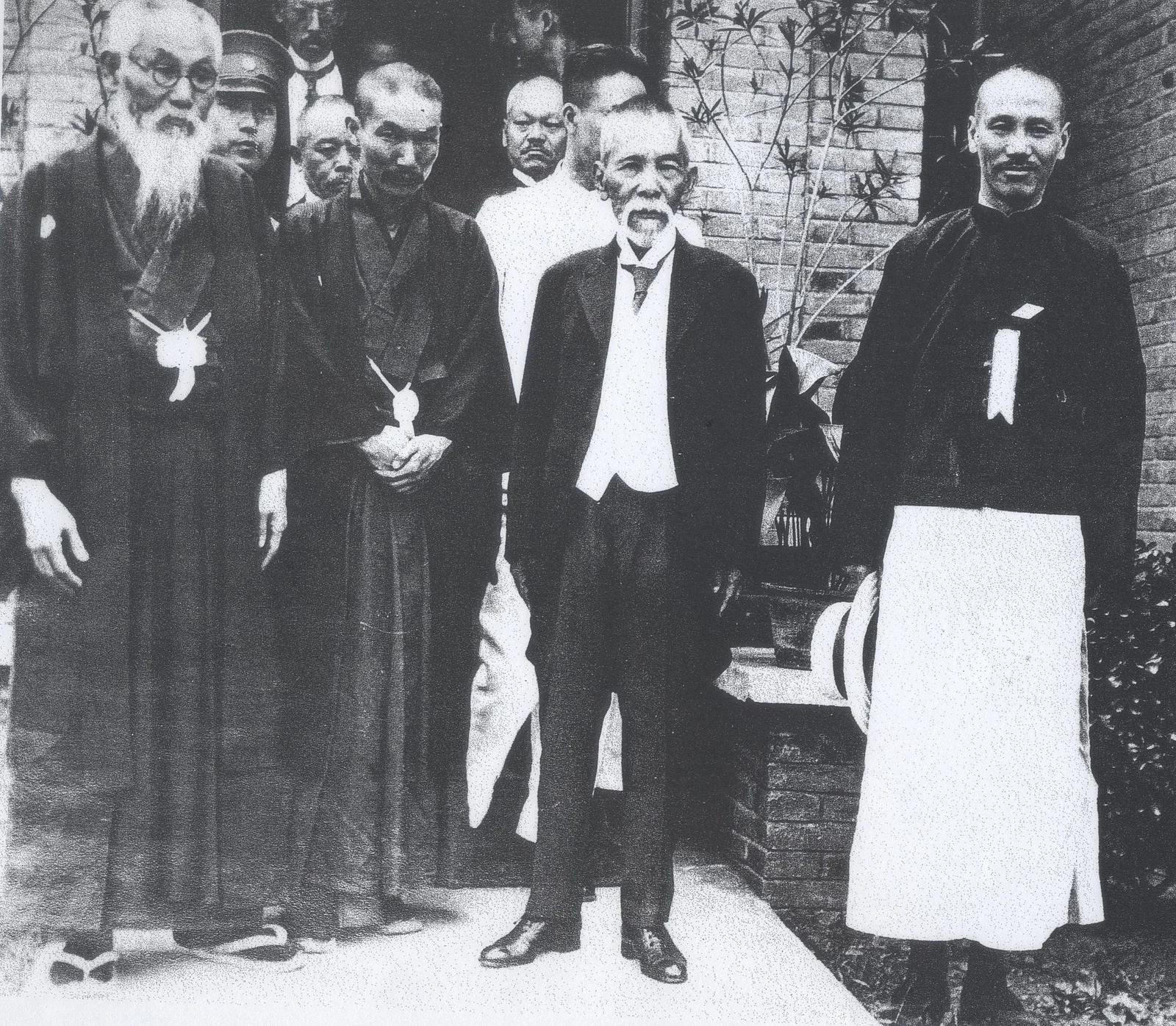
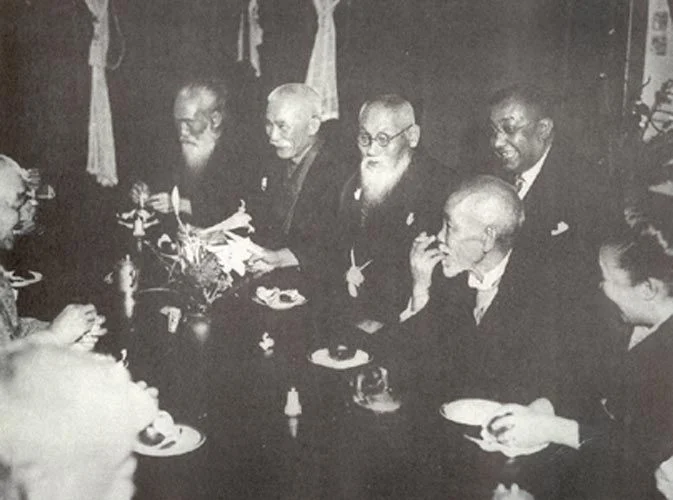
Toyama Mitsuru was on good terms with the revolutionaries of East Asia: China's Sun Yat-sen, Korea's Kim Ok-gyun, and the two Boses of India all received aid of one kind or another from him. It would be no exaggeration to say that the deeds of this white-haired old man shaped the course of East Asian history as a whole.
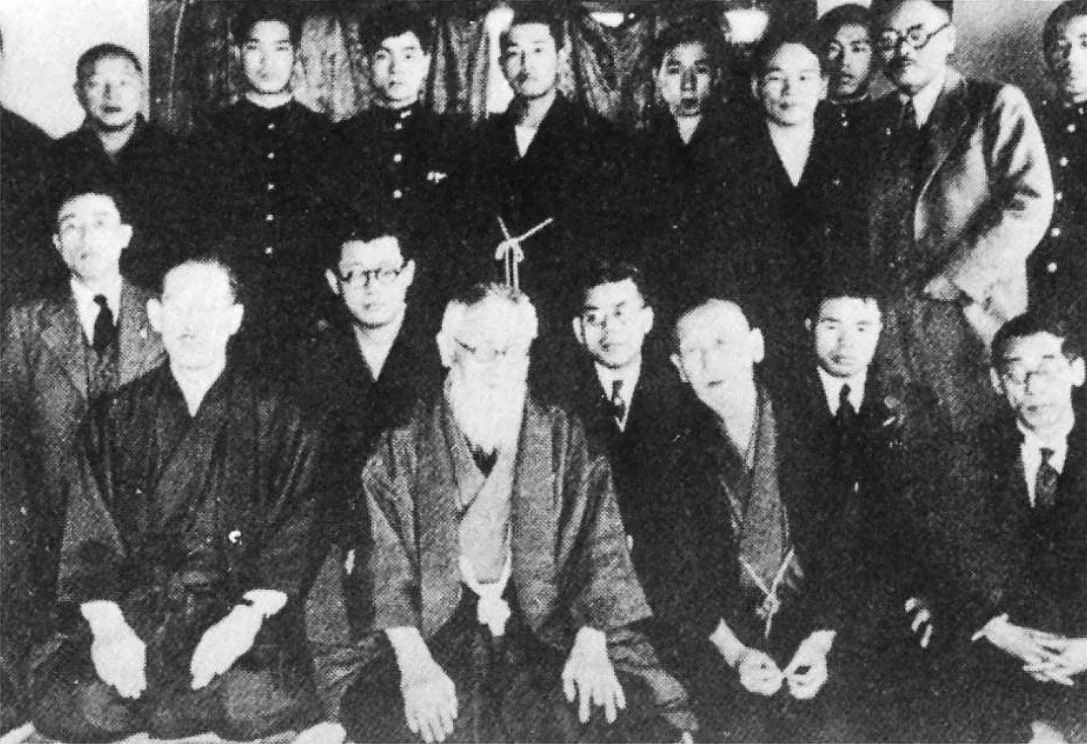
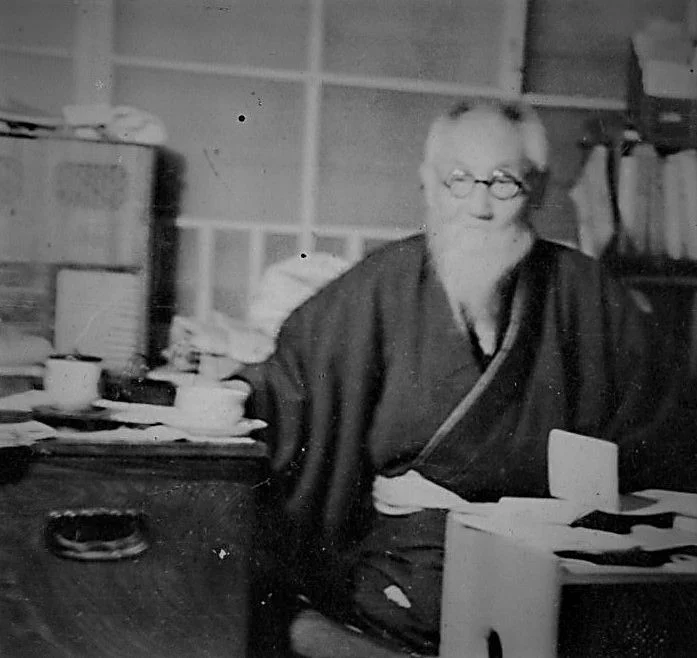
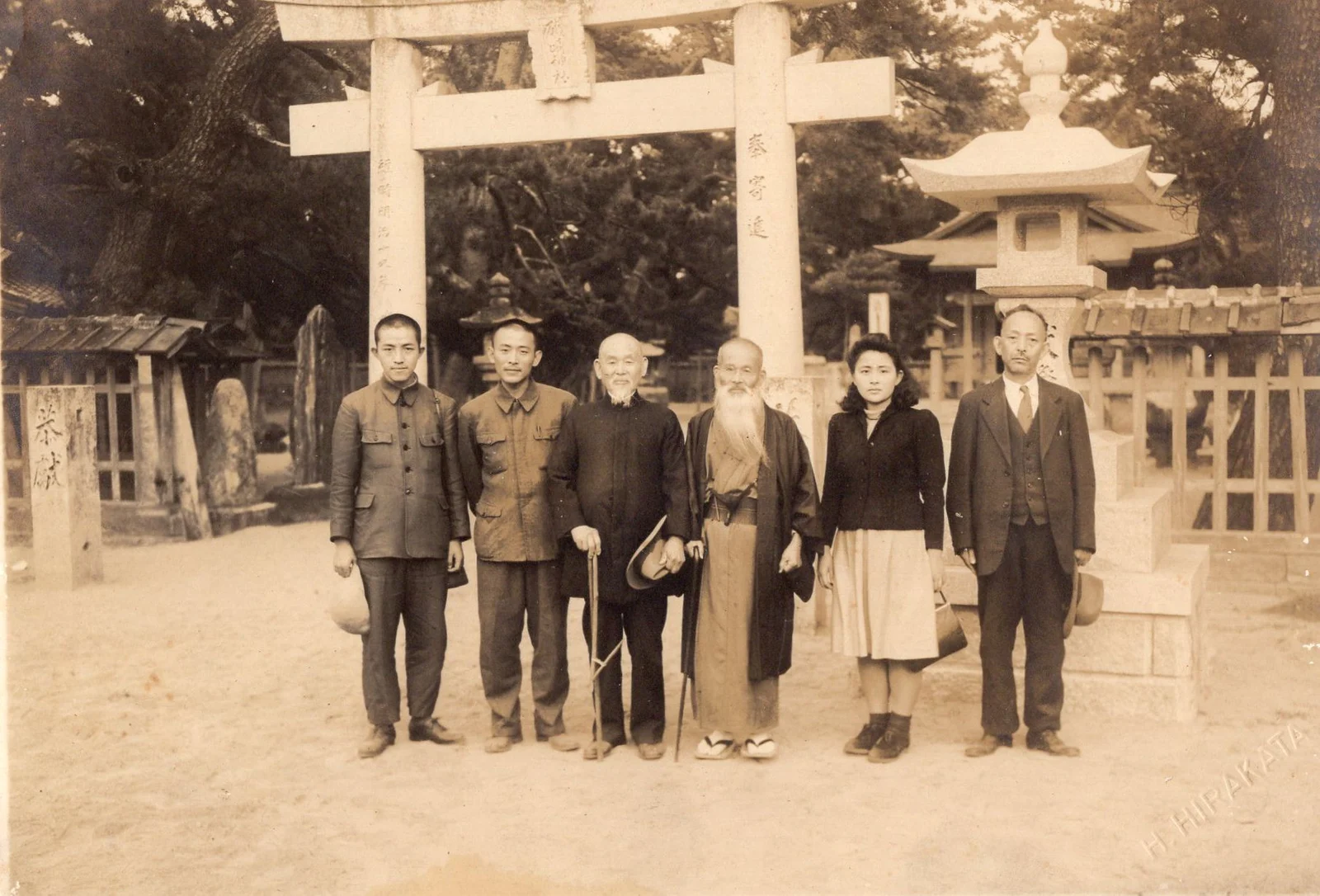
Toyama Mitsuru is the white-bearded man in the middle.
The Stone of Friendship
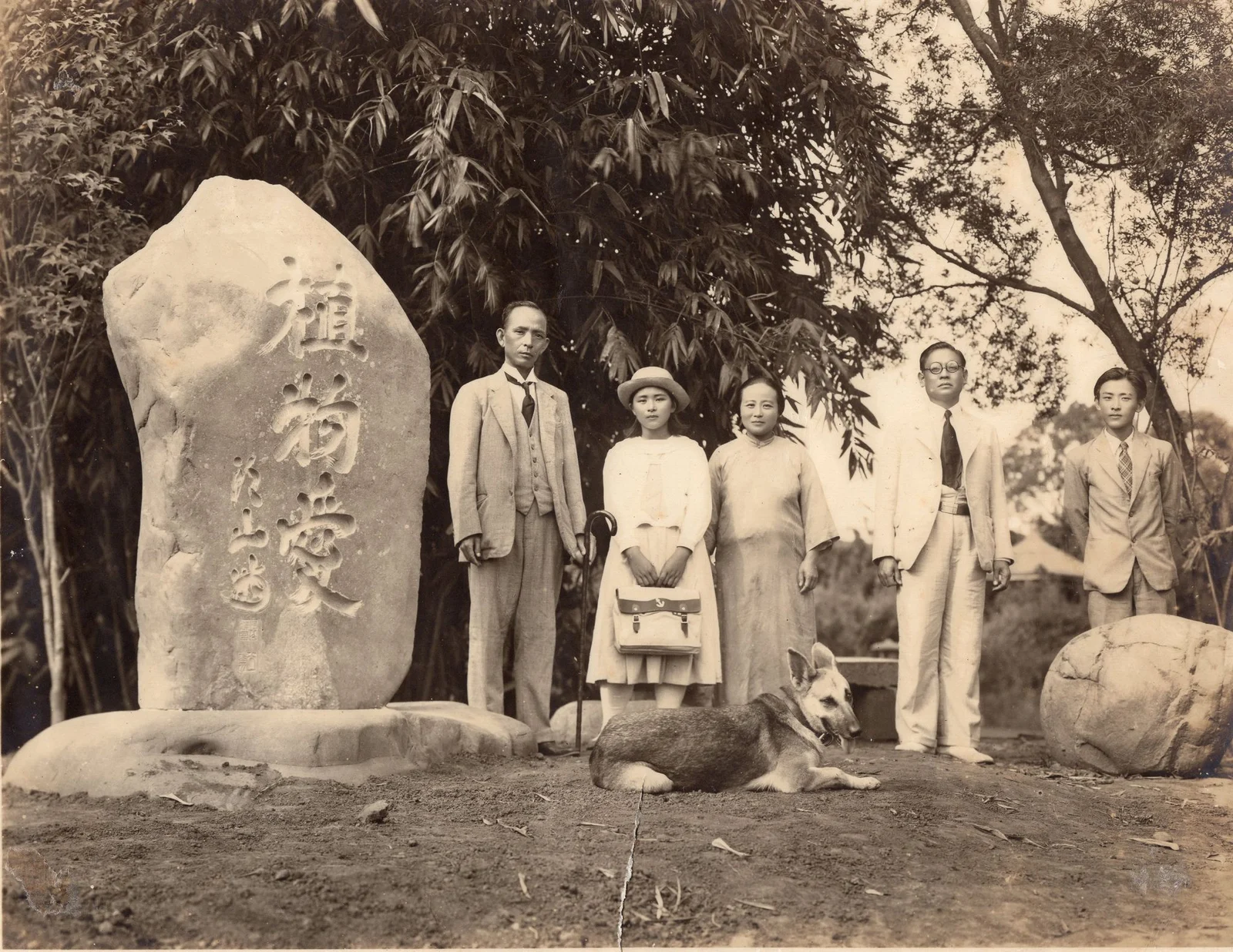
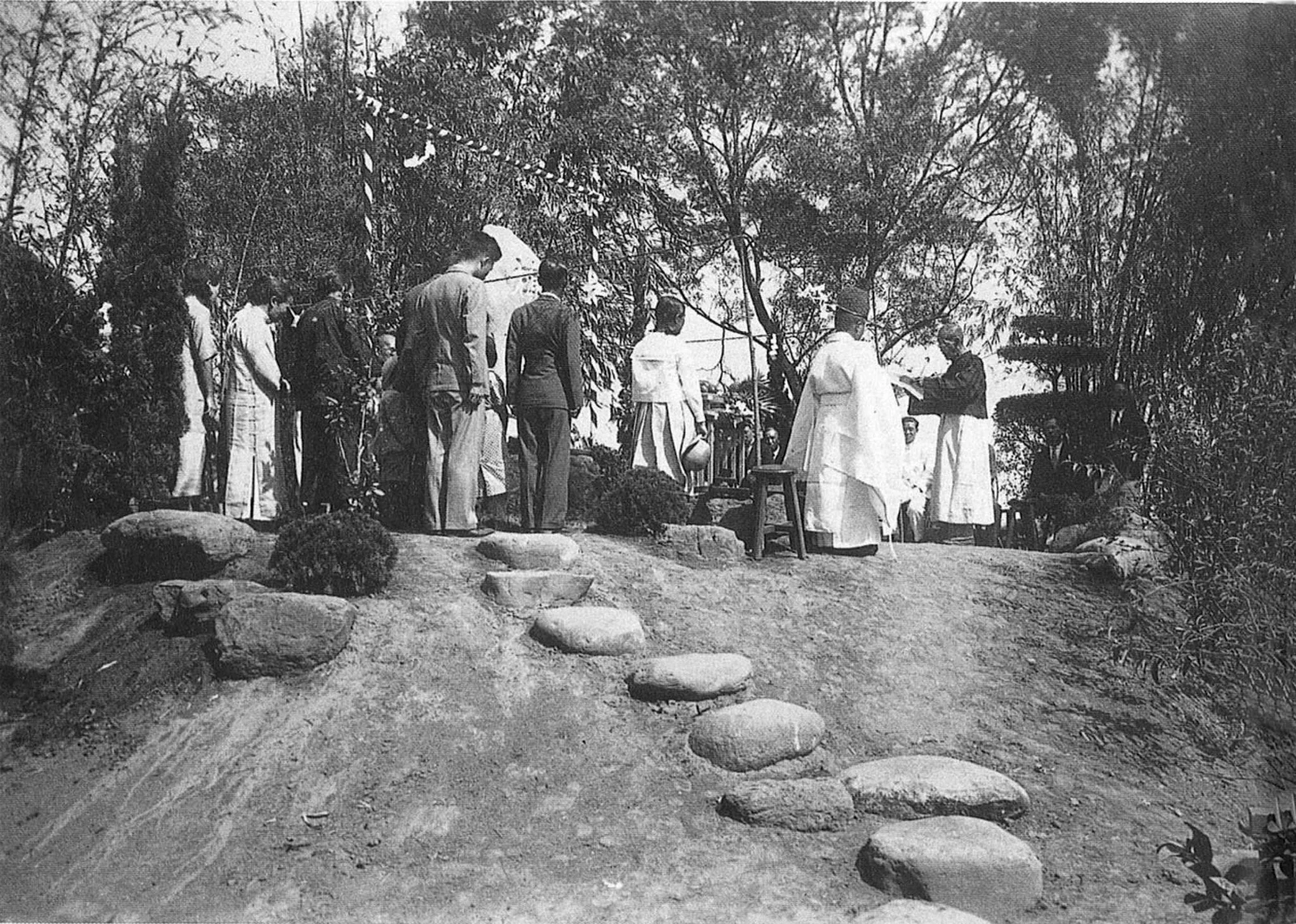
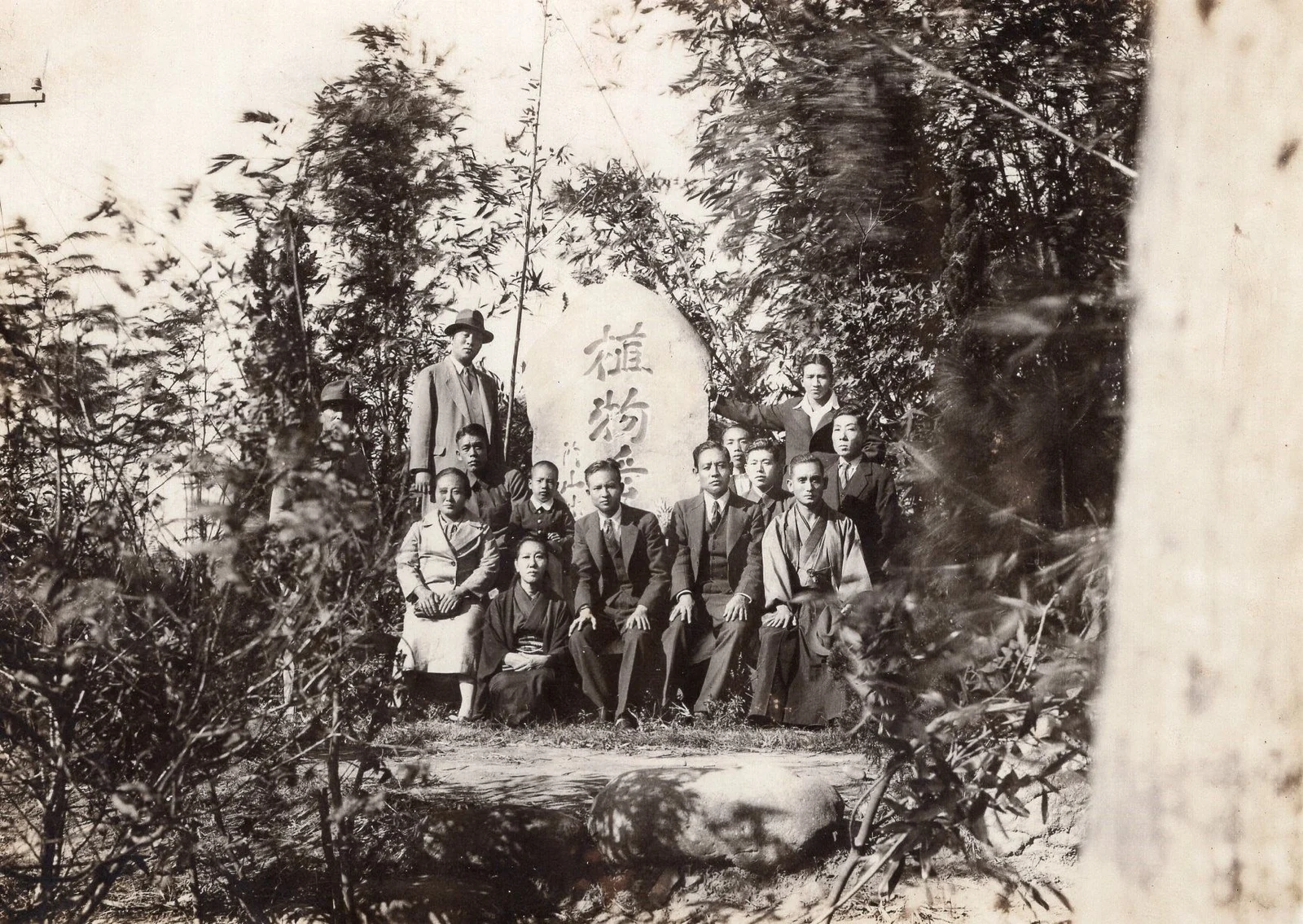
In the spring of the twelfth year of Showa (1937), the Shokubutsu-ai stele, emblem of the friendship between Toyama Mitsuru and the Hsu family, was set up at Hsu Tian-Te's residence. Though the stone bore an inscription of gentle tenderness toward growing things, it weighed on the minds of the colonial authorities of the day, who held it in dread. What was not carved into the stone was the delicate relationship among the colonizer, the colonized, and the powerful men of the home country.
That same year, the Marco Polo Bridge Incident broke out and the Sino-Japanese War began. The place the Taiwanese still called their motherland became, in an instant, an enemy country.
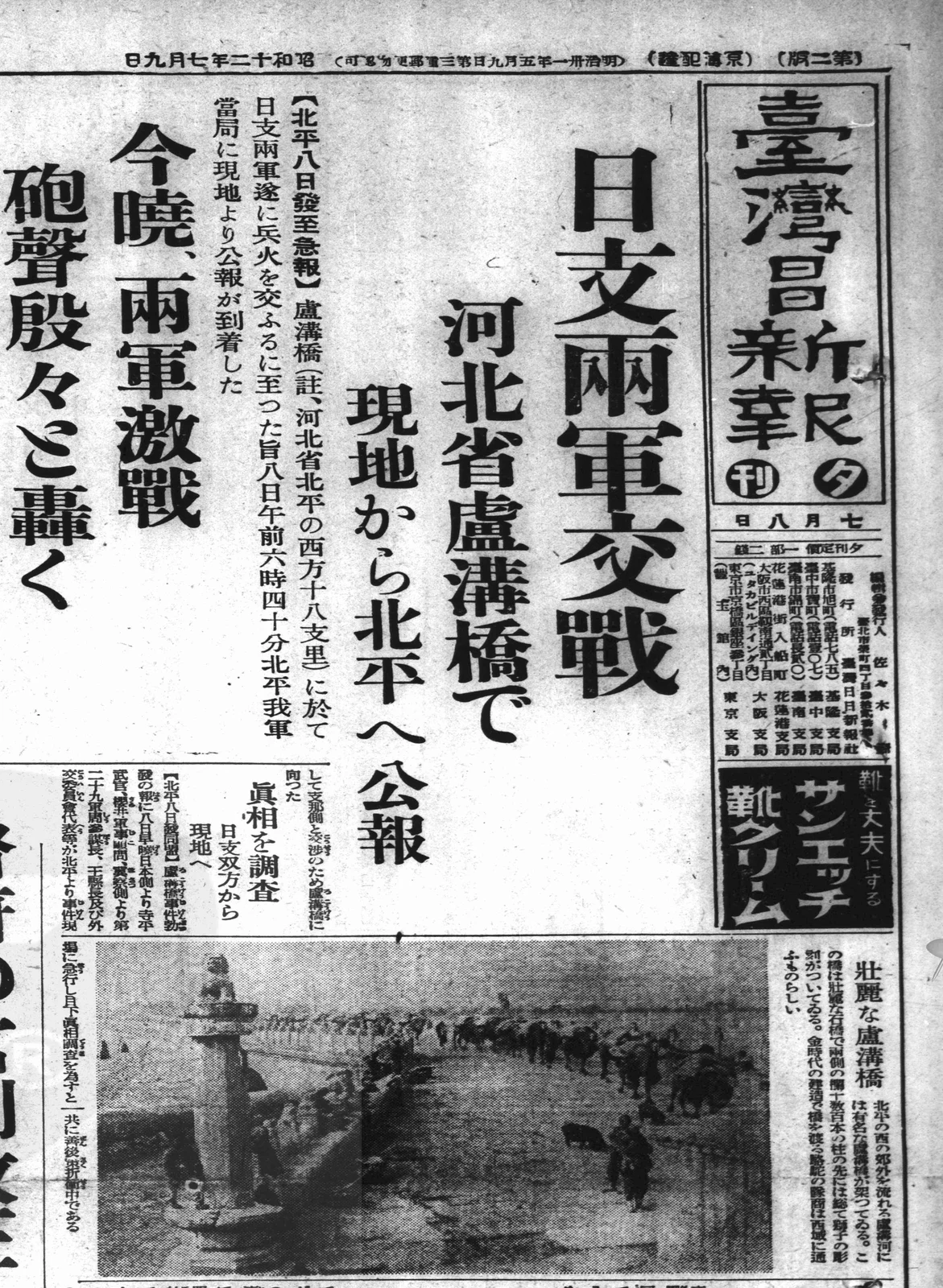
Headlines: Japanese and Chinese forces in battle—dispatches from Lugou Bridge in Hebei reach Beiping; fierce fighting since dawn, the guns thundering on.
Did Toyama Hidezo Come to Taiwan to Mediate?
The Taiwan Nichinichi Shinpo of the thirteenth year of Showa (1938) carried several reports by turns spreading and dispelling word that Toyama Mitsuru would come to Taiwan. That June, Lin Hsien-tang's diary recorded the following about the dealings between Toyama Mitsuru and Hsu Tian-Te:
林清經三時餘來訪,述大甲許天德之鳳梨工場不肯賣渡合同會社,因是受當局之壓逼,其製品欲輸出,船舶不肯為之載,甚至欲取消其製造權,於是乃拜託頭山滿翁為之盡力,諸事皆能如意,從此每年利益約近百萬円云。 ——— Lin Ching-ching came to call a little after three o'clock and related that Hsu Tian-Te of Dajia, whose pineapple factory would not sell out to the Godo Company, was for that reason being pressured by the authorities: when he sought to export his products, the ships would not carry them, and the authorities even wished to revoke his manufacturing license. He therefore entreated the venerable Toyama Mitsuru to exert himself on his behalf, and in all things matters turned out as he wished; from then on, it was said, his yearly profits came to nearly a million yen—or so it was said.
On the twenty-sixth of November that same year, Toyama Mitsuru's son Toyama Hidezo came ashore at the port of Keelung aboard the Yamato Maru—a visit, the papers noted, that the Governor-General himself had encouraged.
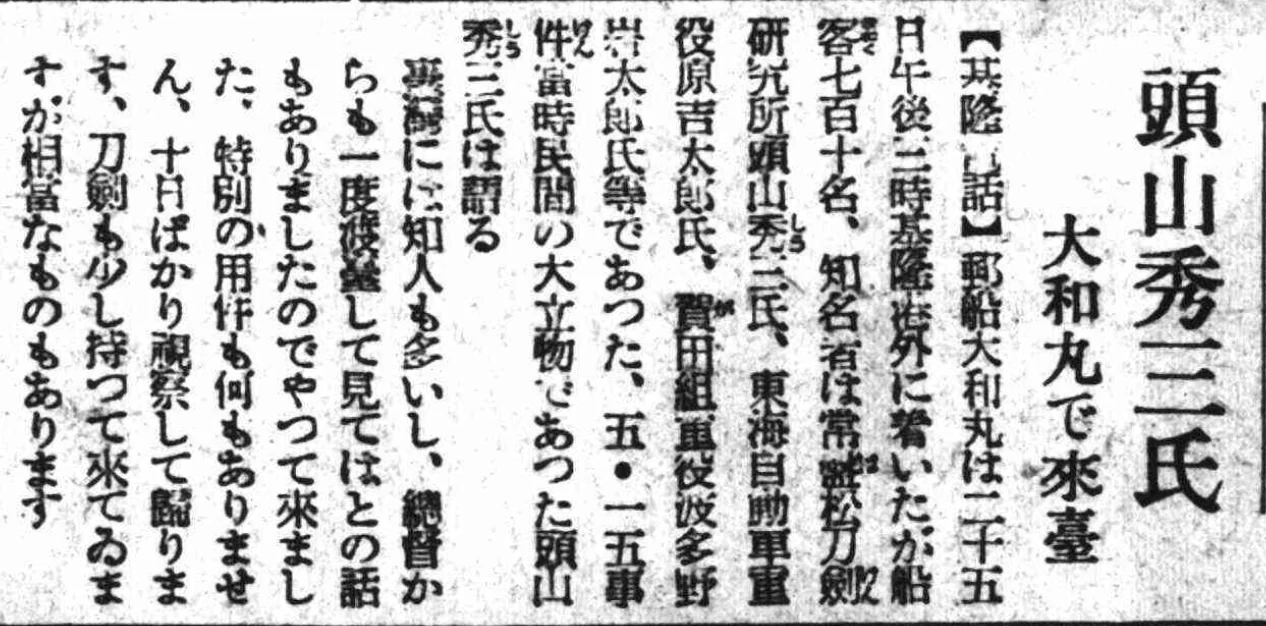
The twenty-sixth of November, the thirteenth year of Showa (1938)
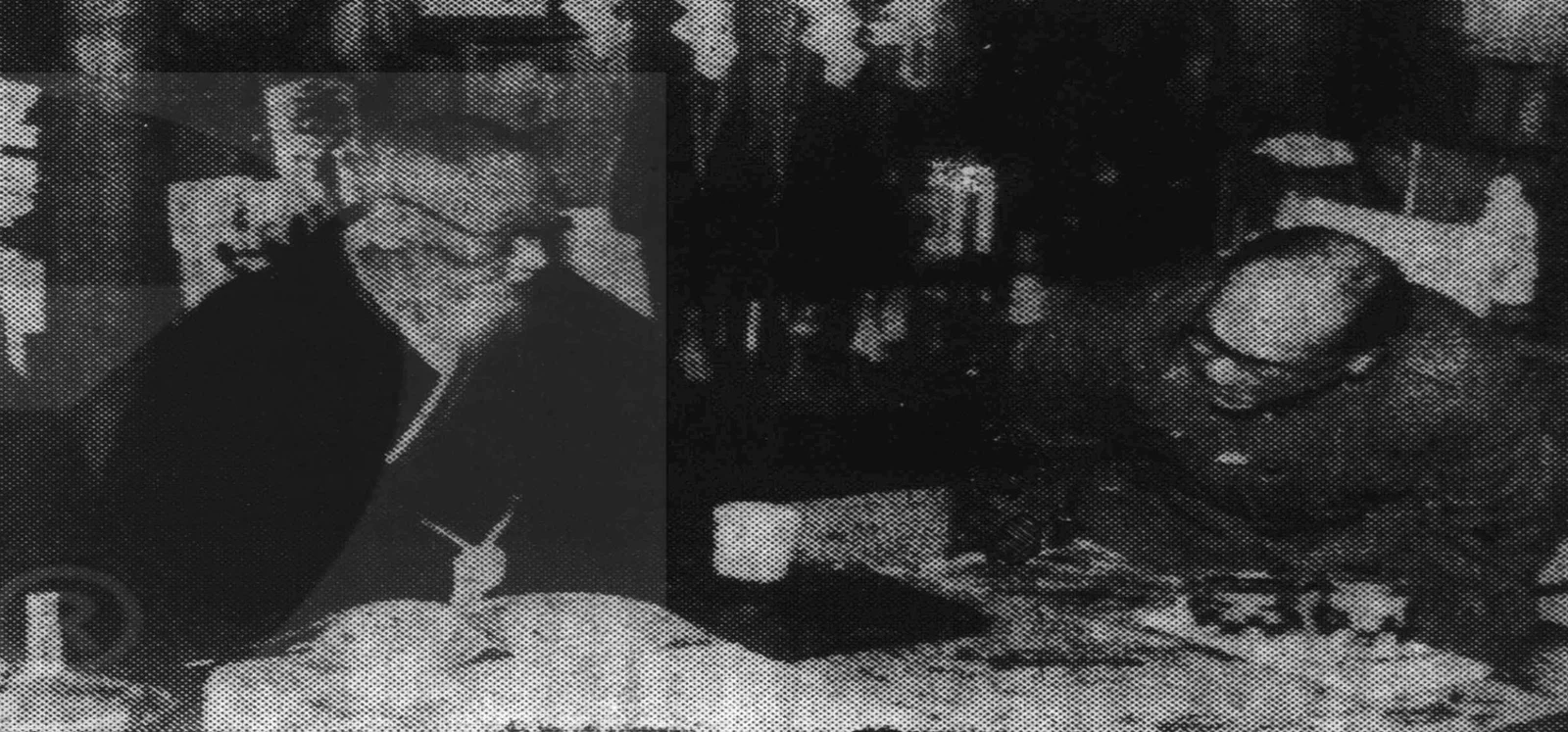
[By telephone from Keelung] The liner Yamato Maru arrived outside the port of Keelung at three o'clock on the afternoon of the 25th. Aboard were 710 passengers, the notable among them being Mr. Toyama Hidezo of the Tokiwamatsu Sword Research Institute, Mr. Hara Kichitaro, director of Tokai Jidosha, Mr. Hatano Iwataro, director of the Kada-gumi, and others. Mr. Toyama Hidezo, spoken of at the time of the May 15 Incident as a great civilian figure, has many friends in Taiwan. The Governor-General, too, had suggested he come over and have a look, and so he came. Hidezo has no particular mission; he plans only to spend ten days on an inspection tour and then return. He has also brought along a few swords—some of them quite substantial.
On that ten-day journey, Toyama Hidezo went to Waipu to call on the Hsu family, and Hsu Tian-Te went to the trouble of building a guesthouse to receive the Toyama party. They were photographed in the pineapple garden with Tiezhen Mountain as the backdrop—perhaps owing to the weather of the day, the ridgeline of Tiezhen Mountain shows only faintly in the background.
.webp)
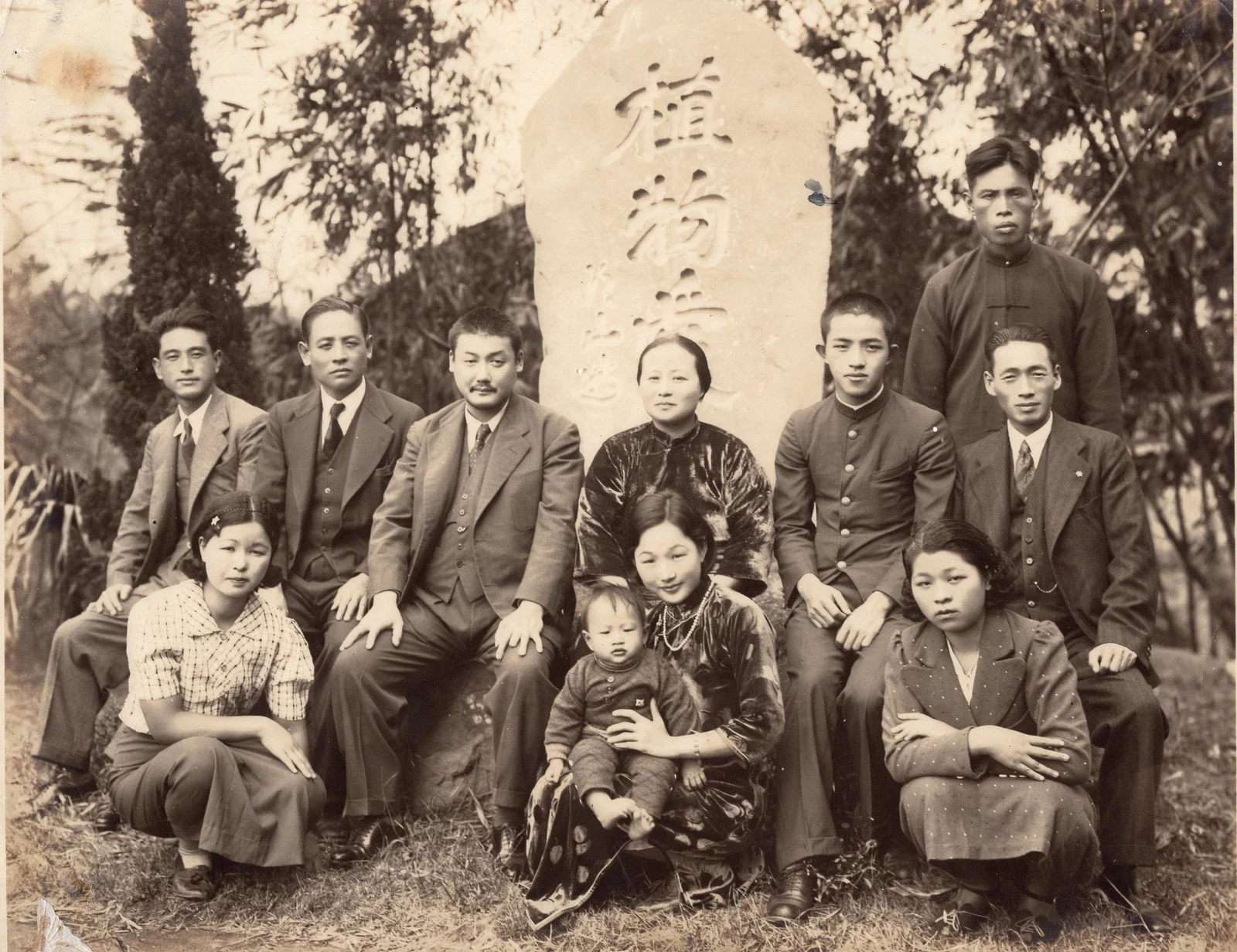
Hsu Huang Hsiu-Luan is holding her eldest son, Hsu Tso-Tsung.
The Dissolution of Dajia Pineapple
After four years of resistance, the Taiko Pineapple Cannery, owing to the wartime controls on raw materials, met in the end the fate of dissolution. The Shokubutsu-ai stele of those later days was no longer ringed by the plants that had surrounded it when it was first erected; the ground around it lay bare with earth and stone, the green gone, while the crowd before it gazed into the camera with resolute faces.
Four months after Dajia Pineapple was dissolved, Yokoyama Takeo was promoted to mayor of Keelung.
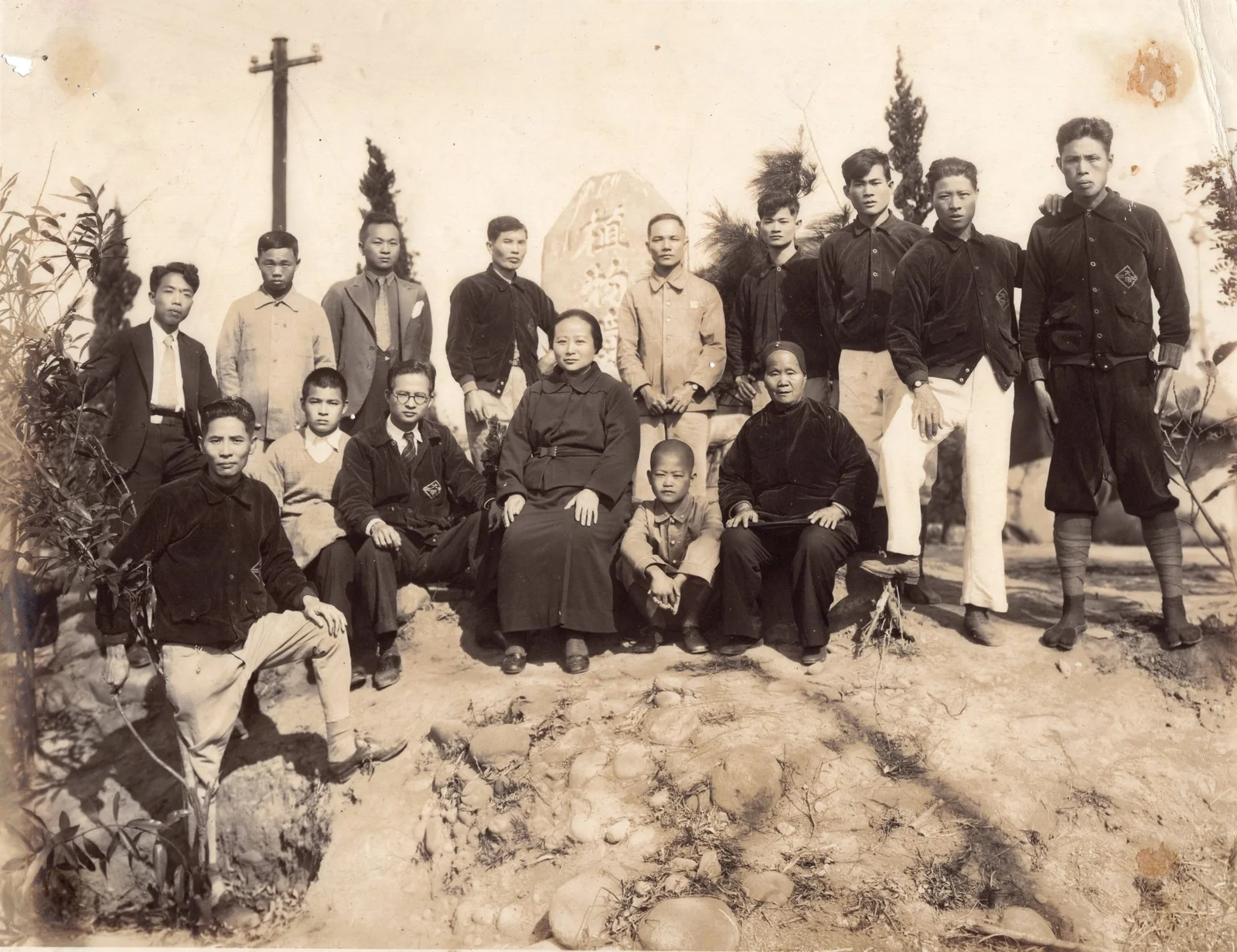
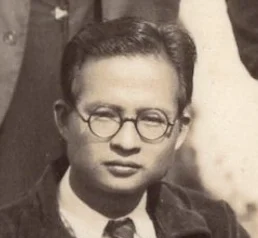
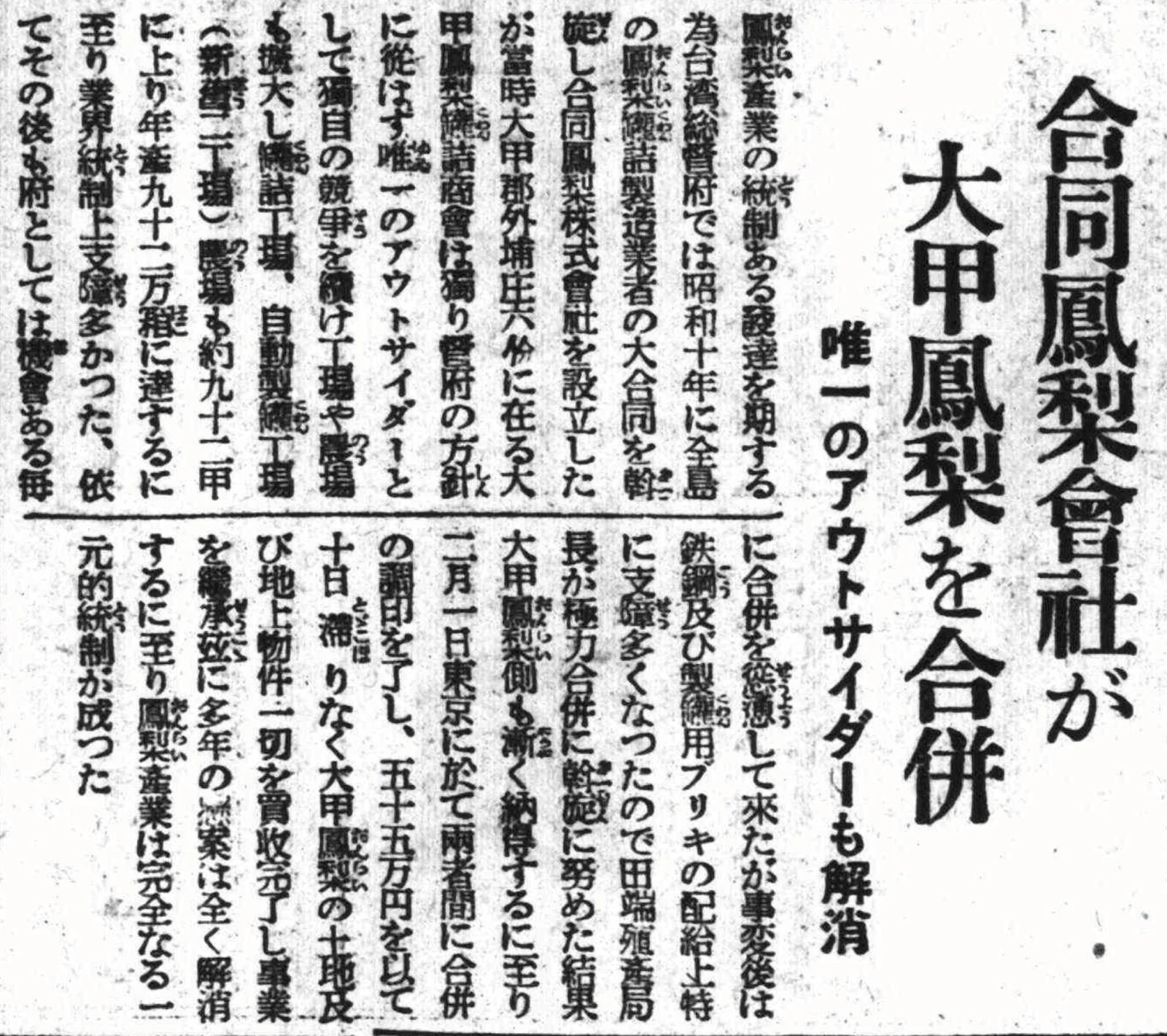
The eleventh of February, the fourteenth year of Showa (1939)
In the hope that the pineapple industry might flourish under its administration, the Government-General of Taiwan, around the tenth year of Showa (1935), undertook to coordinate the merger of all the island's canned-pineapple manufacturers and established the "Godo Pineapple Company." At that time, at Liufen in Waipu town, Dajia District, there was the Taiko Pineapple Cannery, the one and only guild that did not fall in with the authorities, that stood outside the Government-General's policy and was run by an outside figure; it persisted independently as a competitor, and its factories and farms were expanding besides—its cannery, automated can-making factories (two of them, old and new), and farms had grown to 92 jia of land, with an annual output reaching 920,000 cases. This raised many obstacles to controlling the industry. Thereafter the Government-General, at every opportunity, pressed it to merge. But after the outbreak of hostilities, when the government ran into difficulties in the allocation of steel and of the tinplate used in making cans, Tabata Kozaburo, Director of the Bureau of Productive Industries, strenuously brokered the merger, and as a result the Dajia Pineapple side gradually came round to the proposal. The contract for the merger of the two was then signed in Tokyo on the first of February this year. For the sum of 550,000 yen the company completed, smoothly on February 10, the purchase of all of Dajia Pineapple's land and properties, and took over its business. With this, a matter long pending has now wholly disappeared. The pineapple industry has thus been brought under unified control.
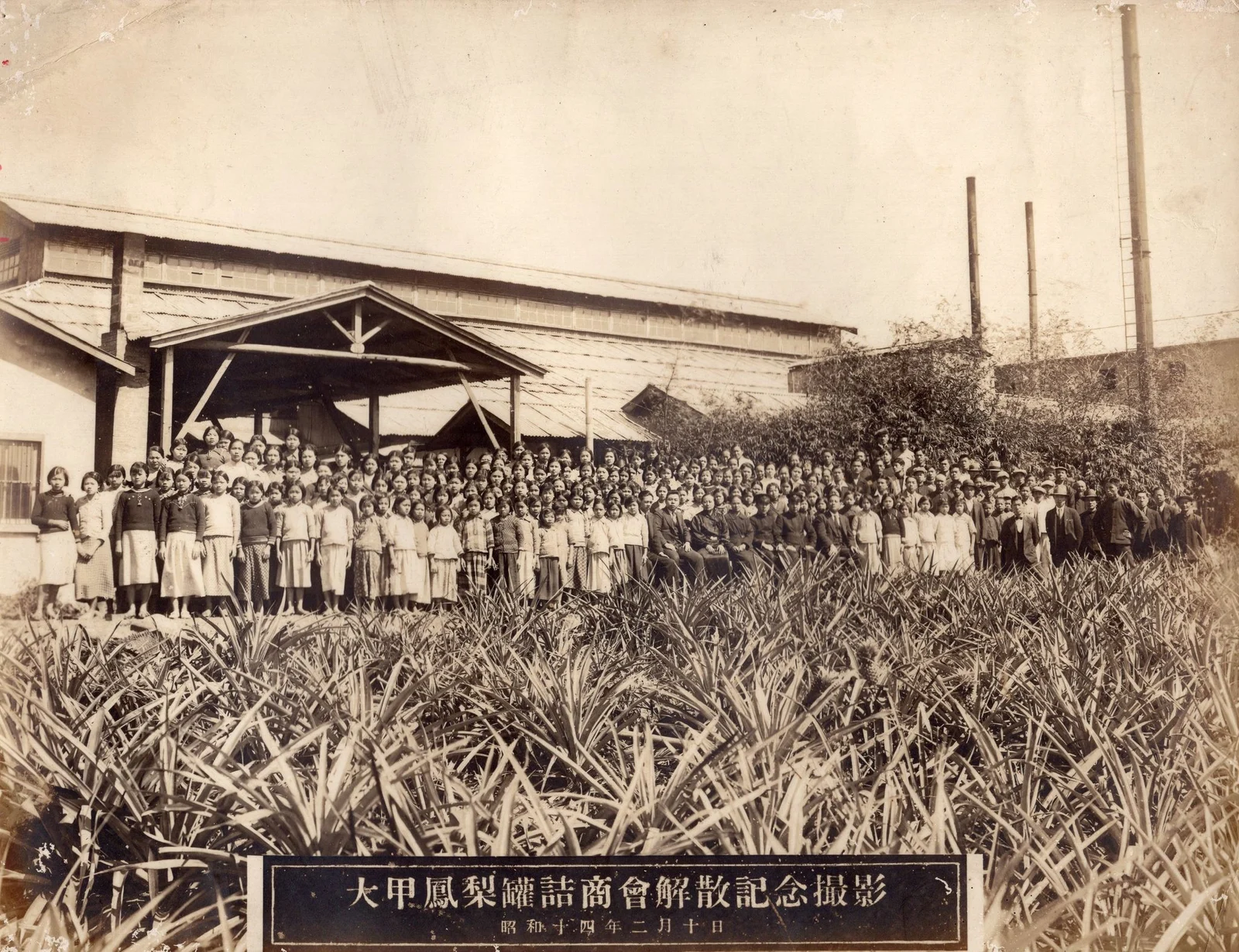
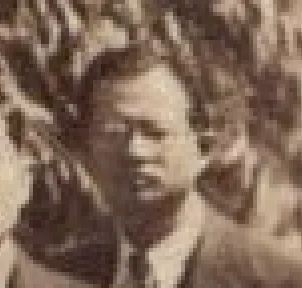
Hsu Yun-Yang is the second person counting from the far right of the photograph.
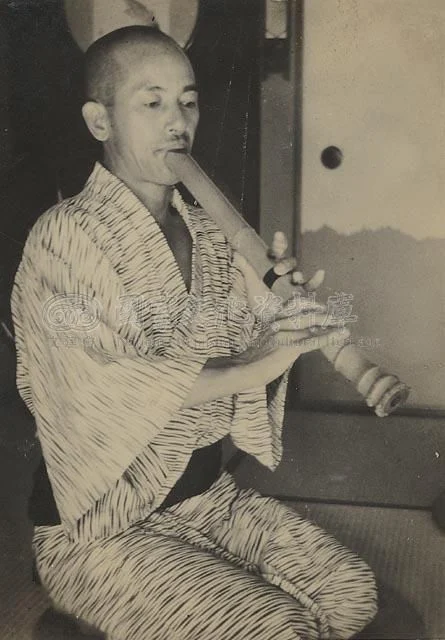
A Stranger in a Foreign Land
Hsu Tian-Te, having fled to Tokyo, lived there a very long while. In that time his sons married and had children one after another, and Hsu Tian-Te became a grandfather. The Hsu family, meanwhile, kept up its ties with the Toyama family.
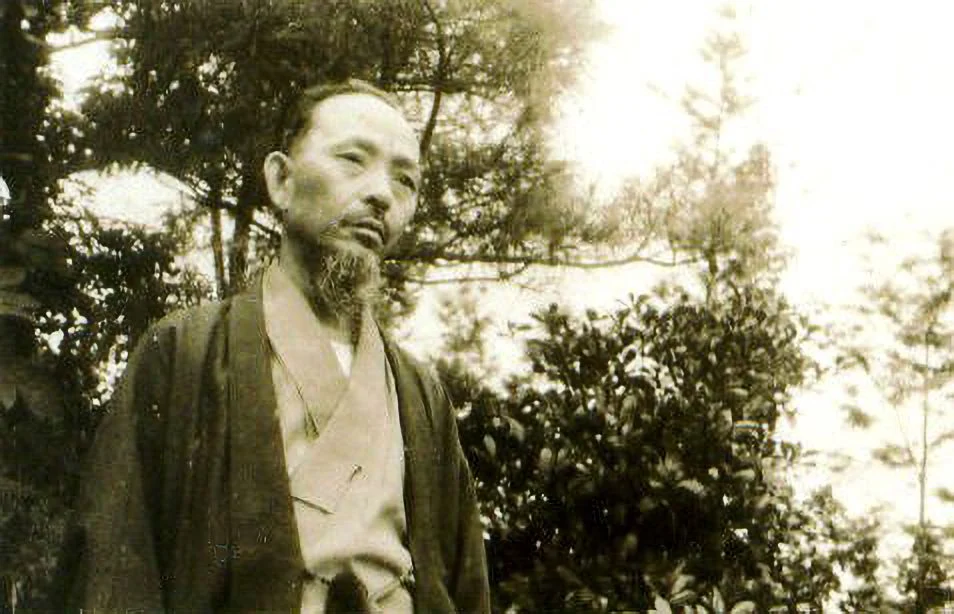
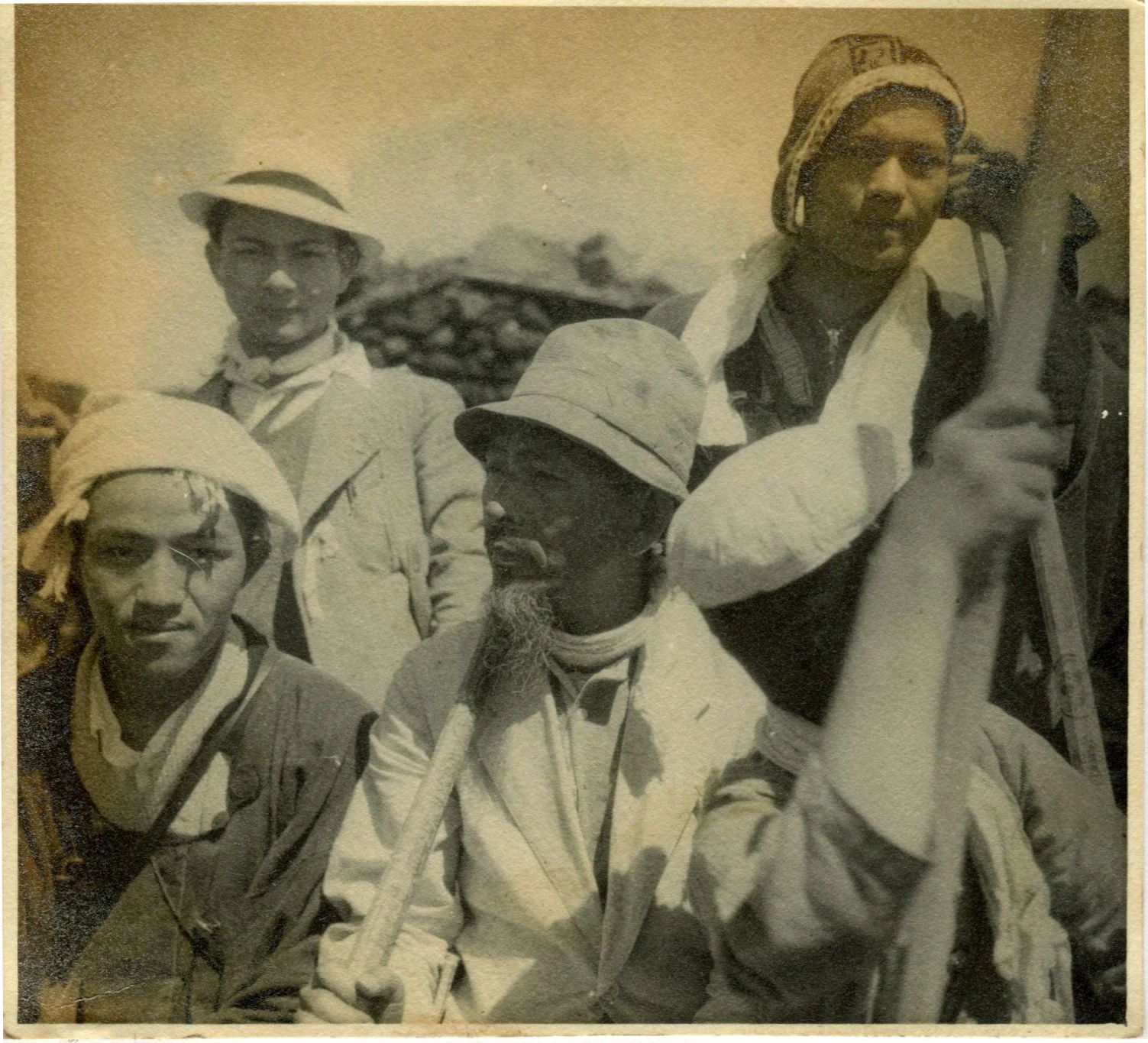
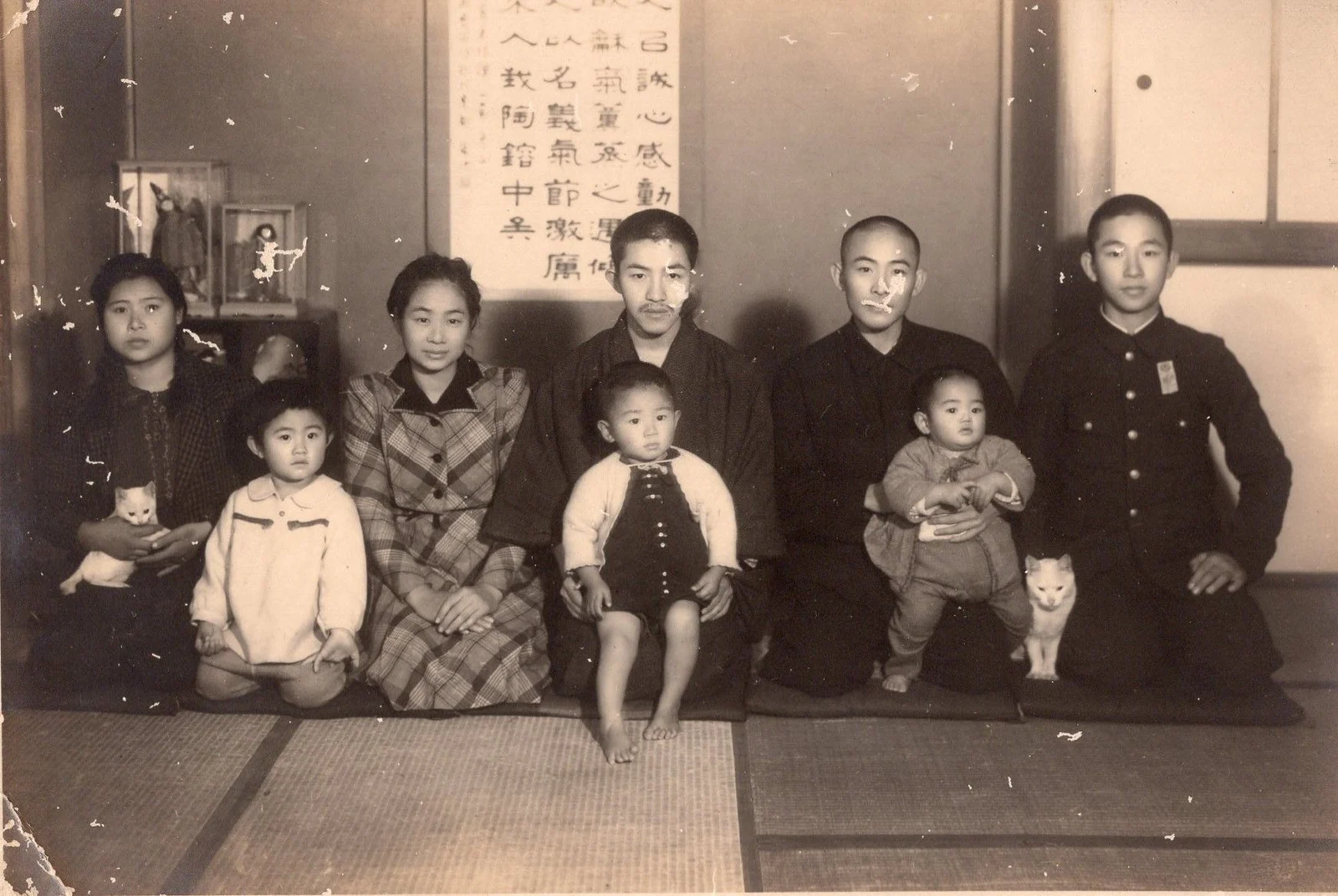
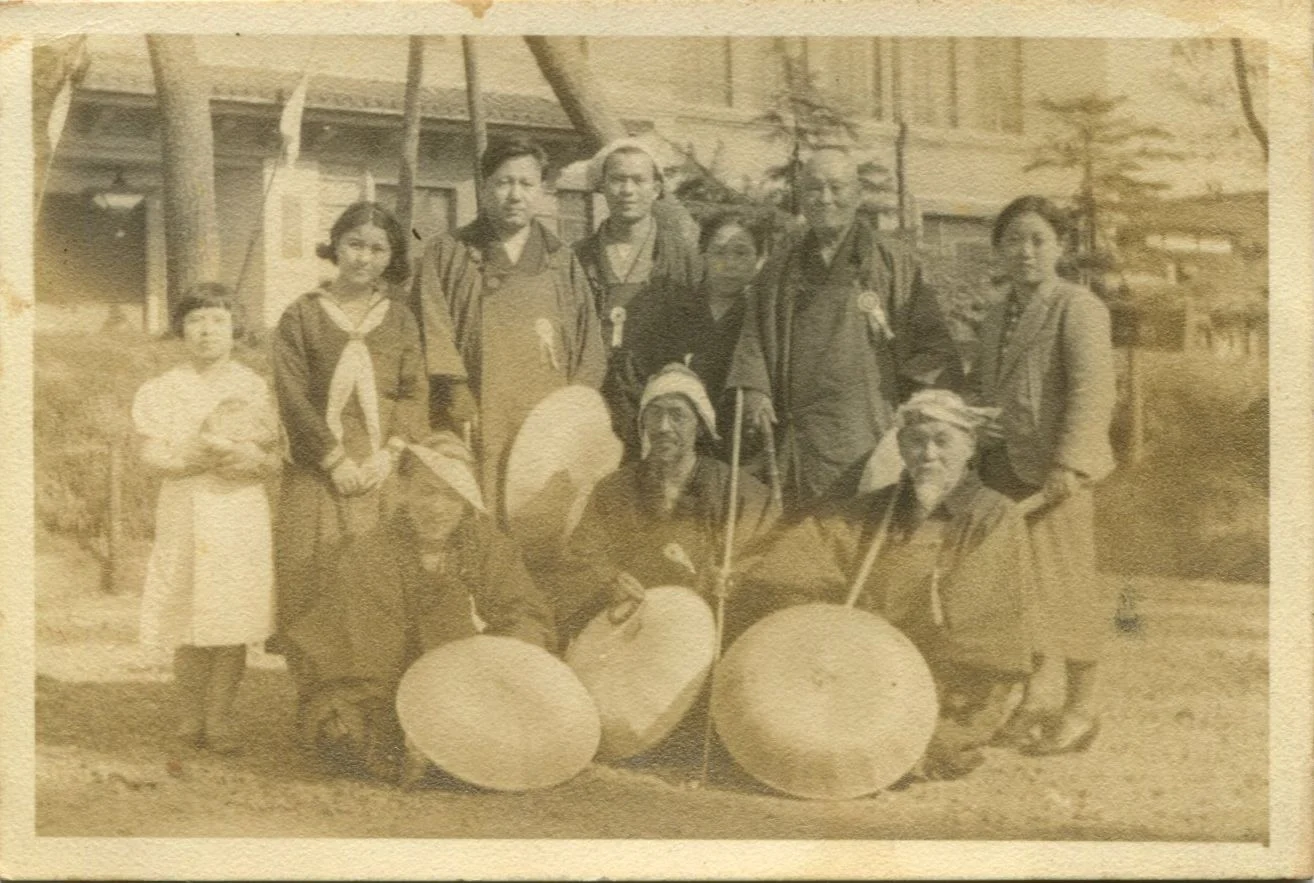
A group photograph of Hsu Tian-Te's descendants.
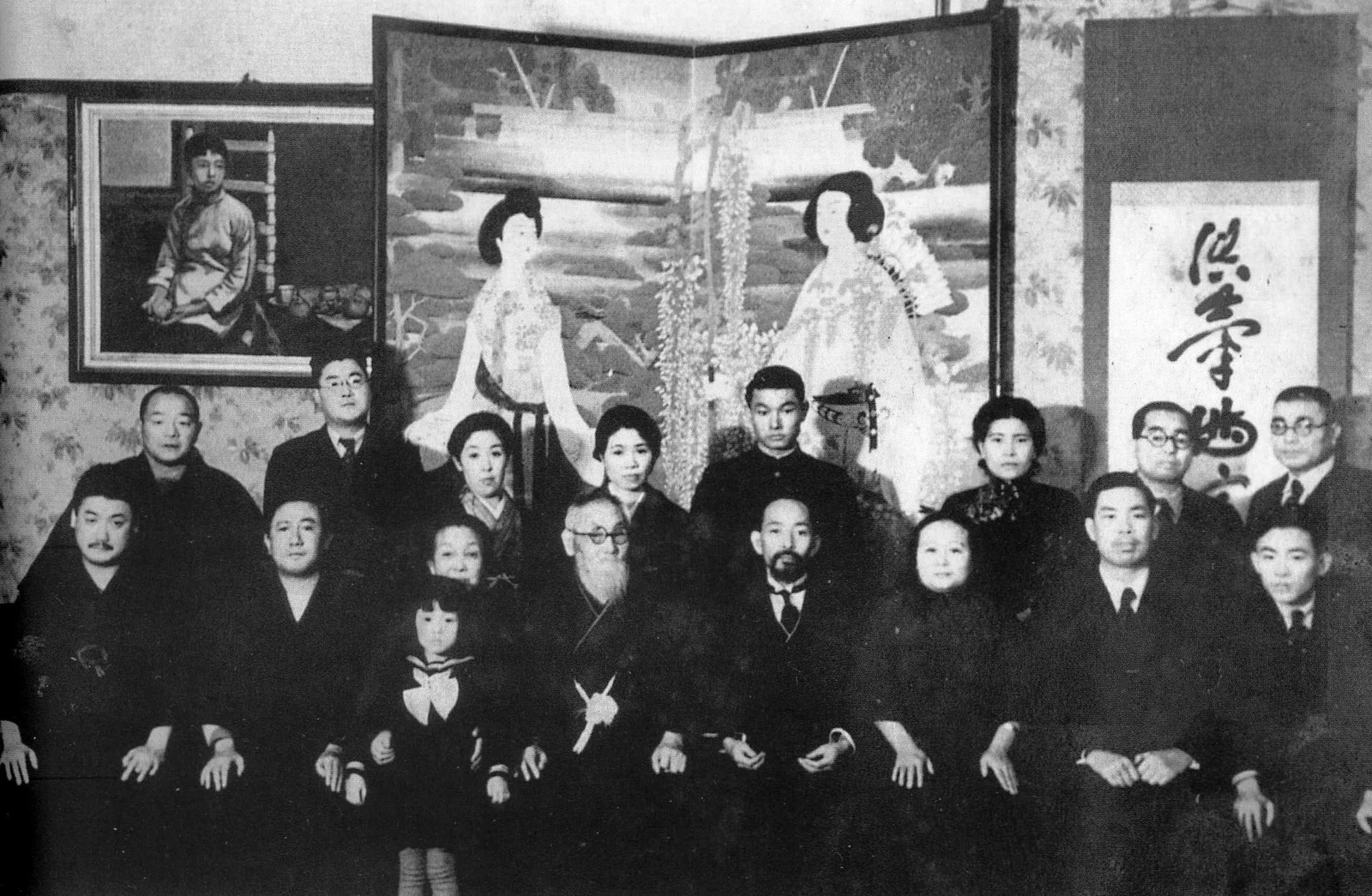
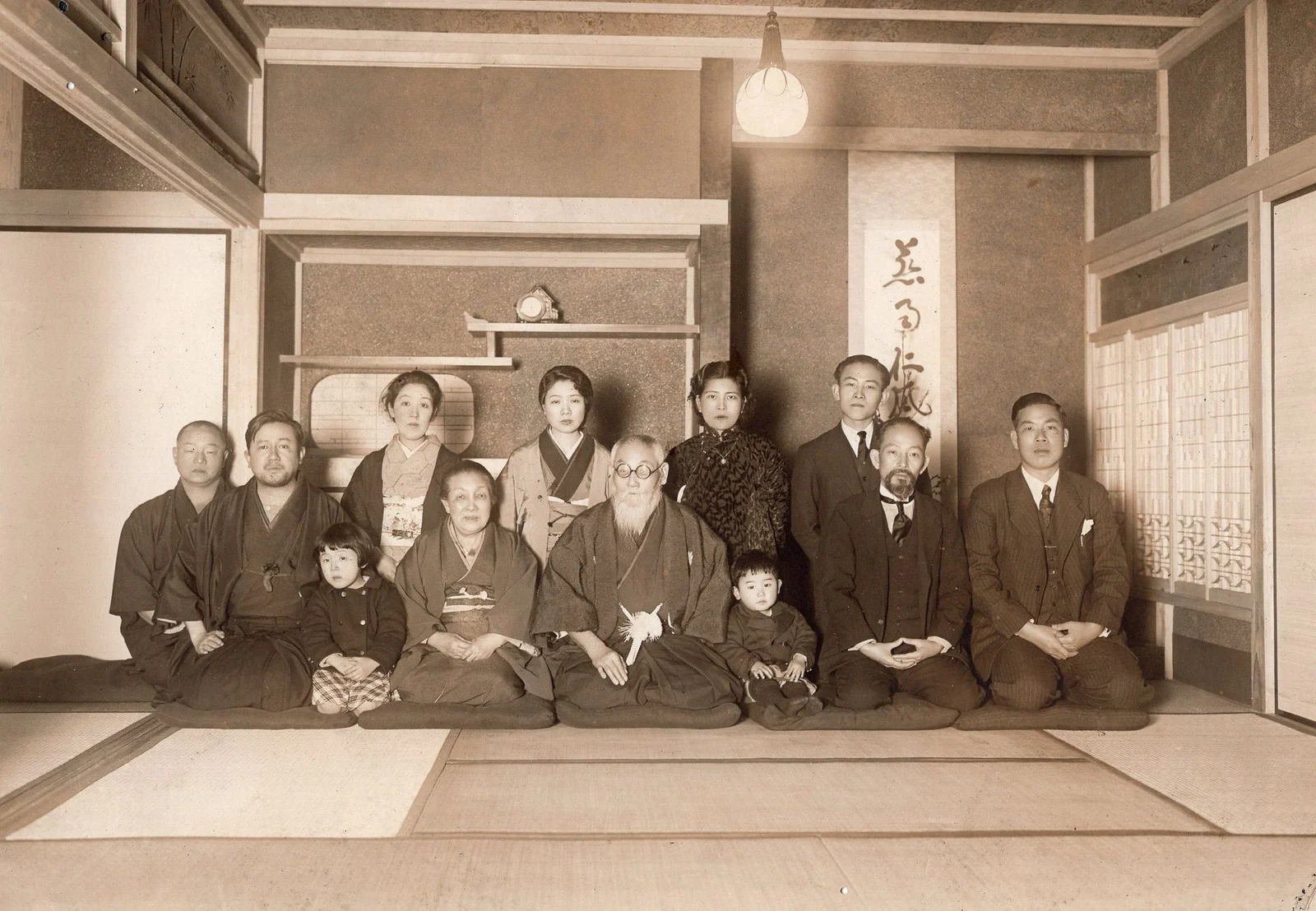
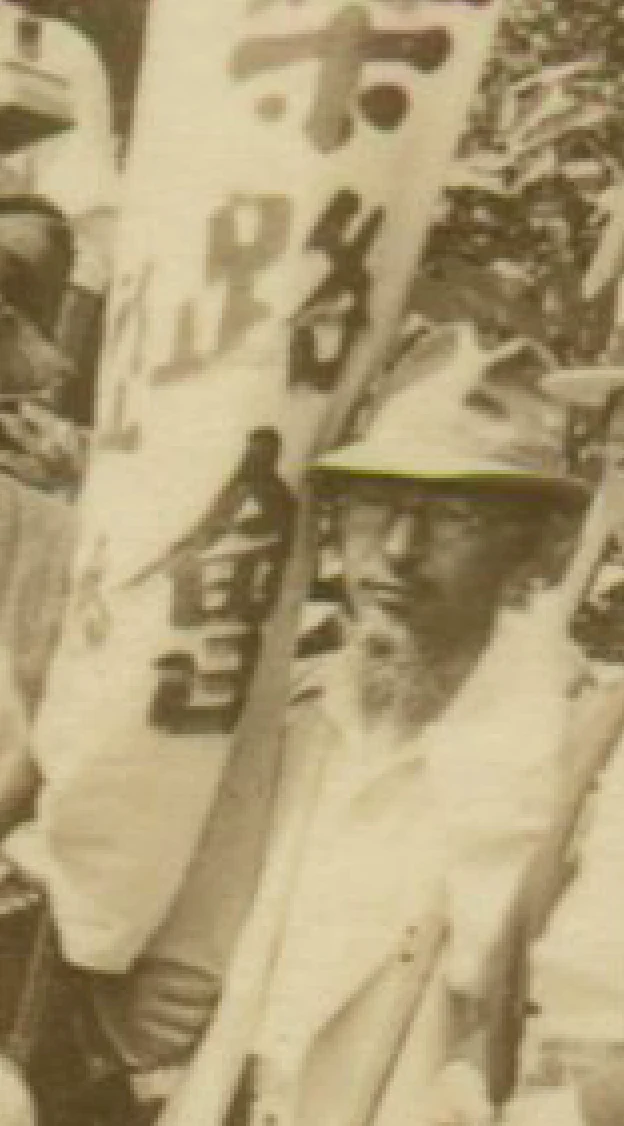
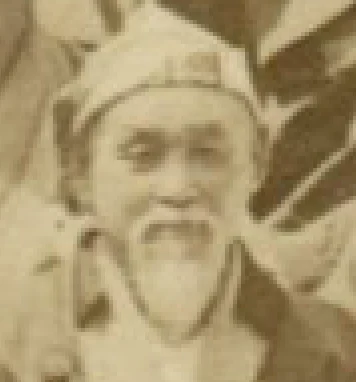
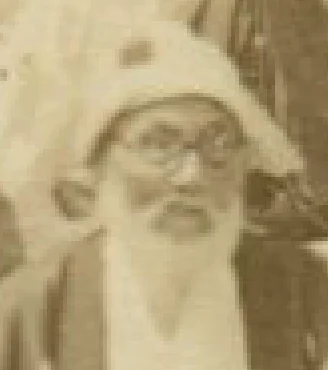
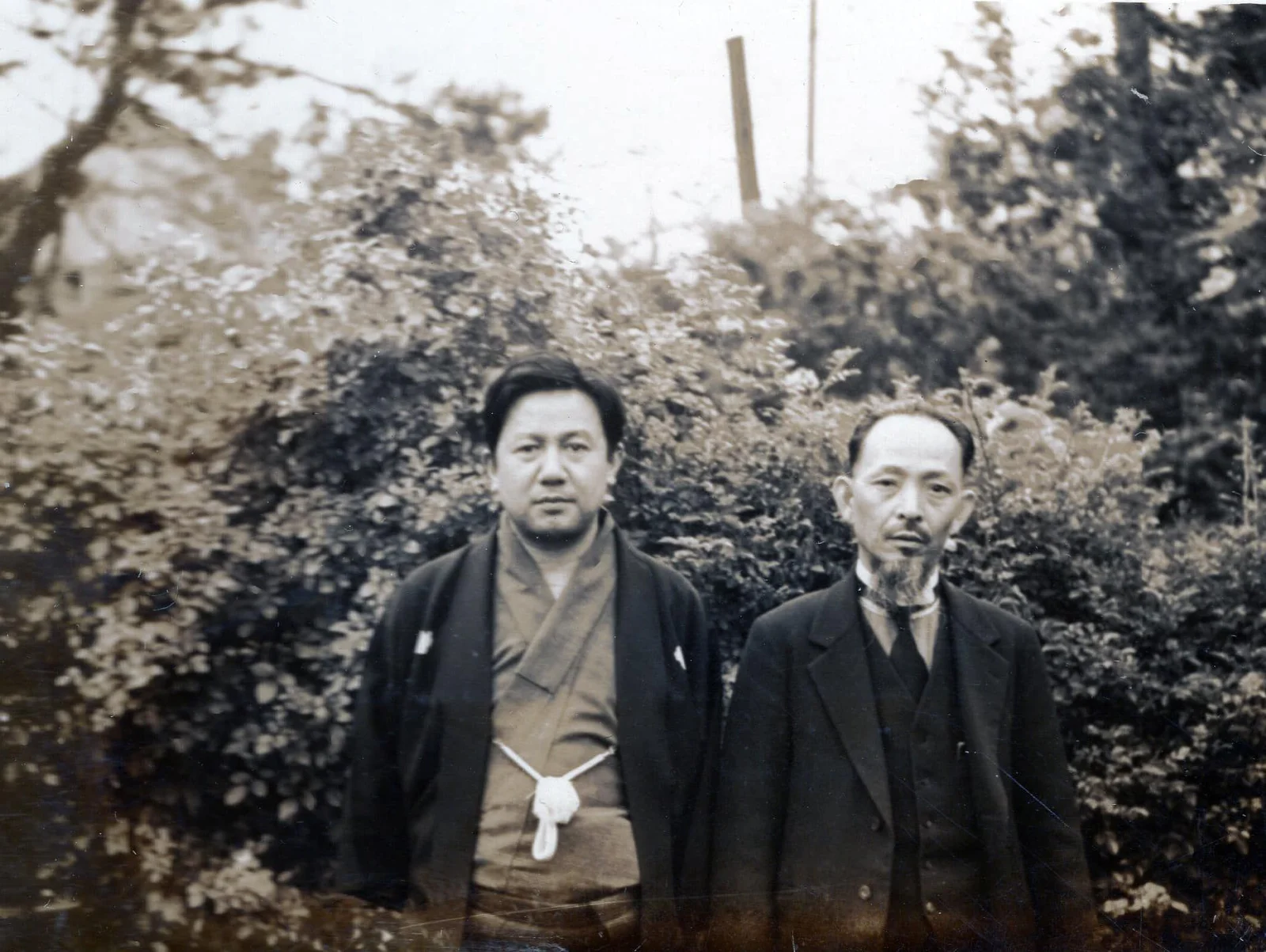
The man with the white beard and the man with the black beard in the middle are, respectively, Toyama Mitsuru and Hsu Tian-Te.
The Closing Days of the War
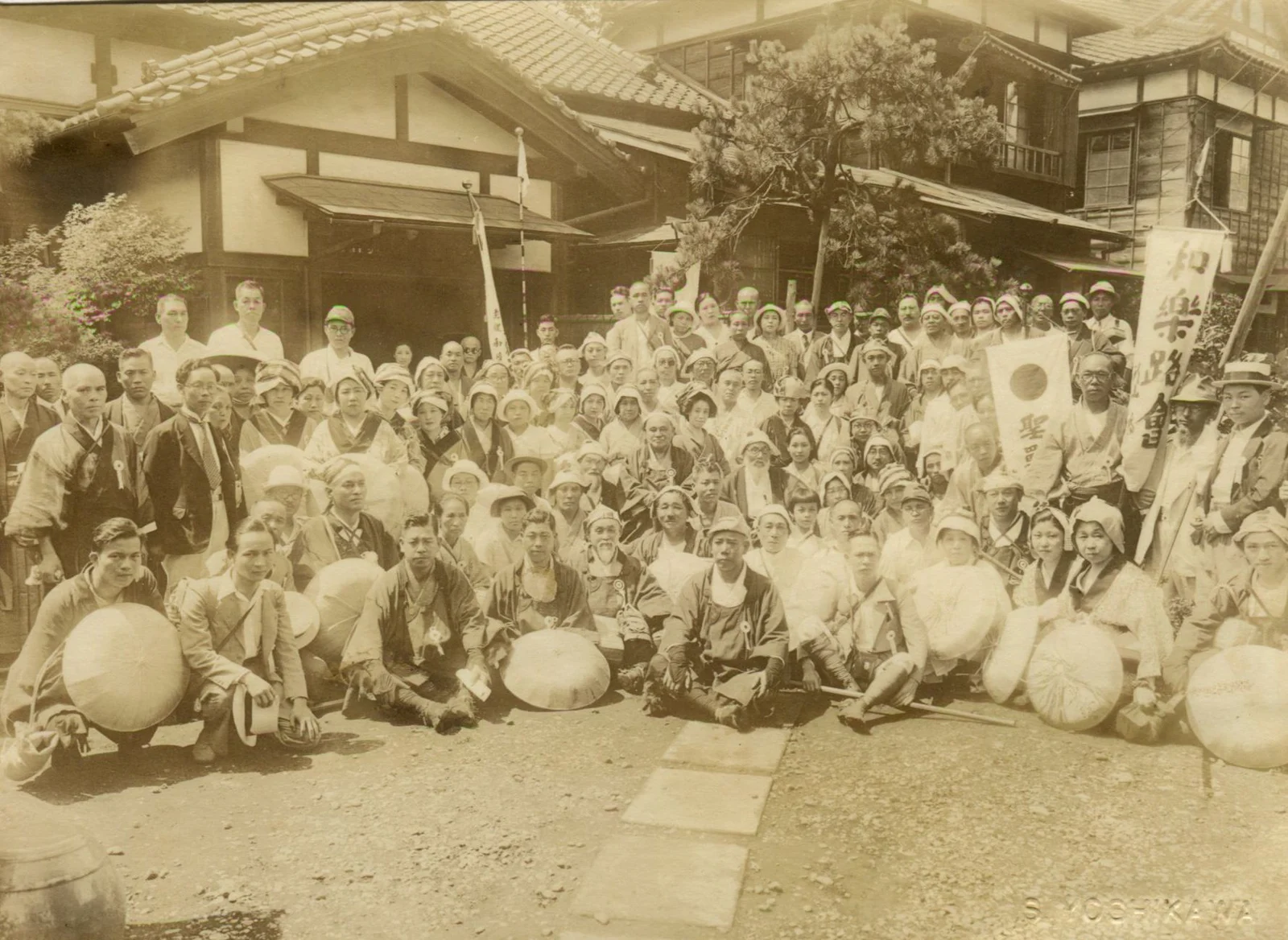
In the closing phase of the war, the aged Toyama Mitsuru would still meet with political leaders from far and wide.
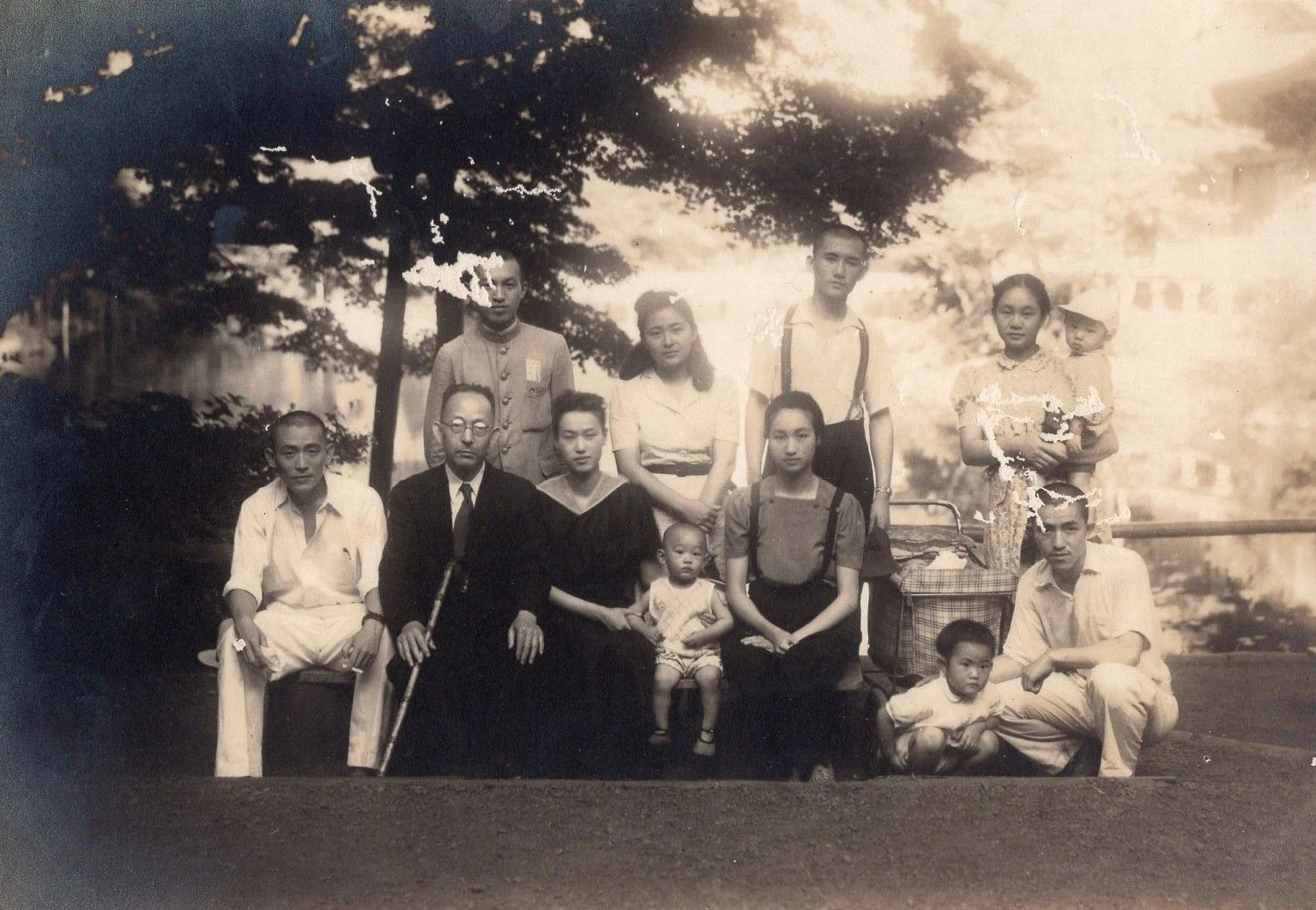
Suenaga Misao (third from left) and Okuma Asajiro (fourth from left) photographed with members of the Hsu family.
In the nineteenth year of Showa (1944), as the fortunes of war waned and the people of Tokyo were evacuating in droves, the thought of returning home stirred once more in Hsu Tian-Te. He asked Toyama Mitsuru to speak with the then Governor-General of Taiwan, so that he might return safely to Taiwan and bring his long sojourn in a foreign land to an end.
Turning our gaze back to Taiwan: with the tightening controls on raw materials and the ever-fiercer fighting, all those who remained in Waipu seemed weary as well.
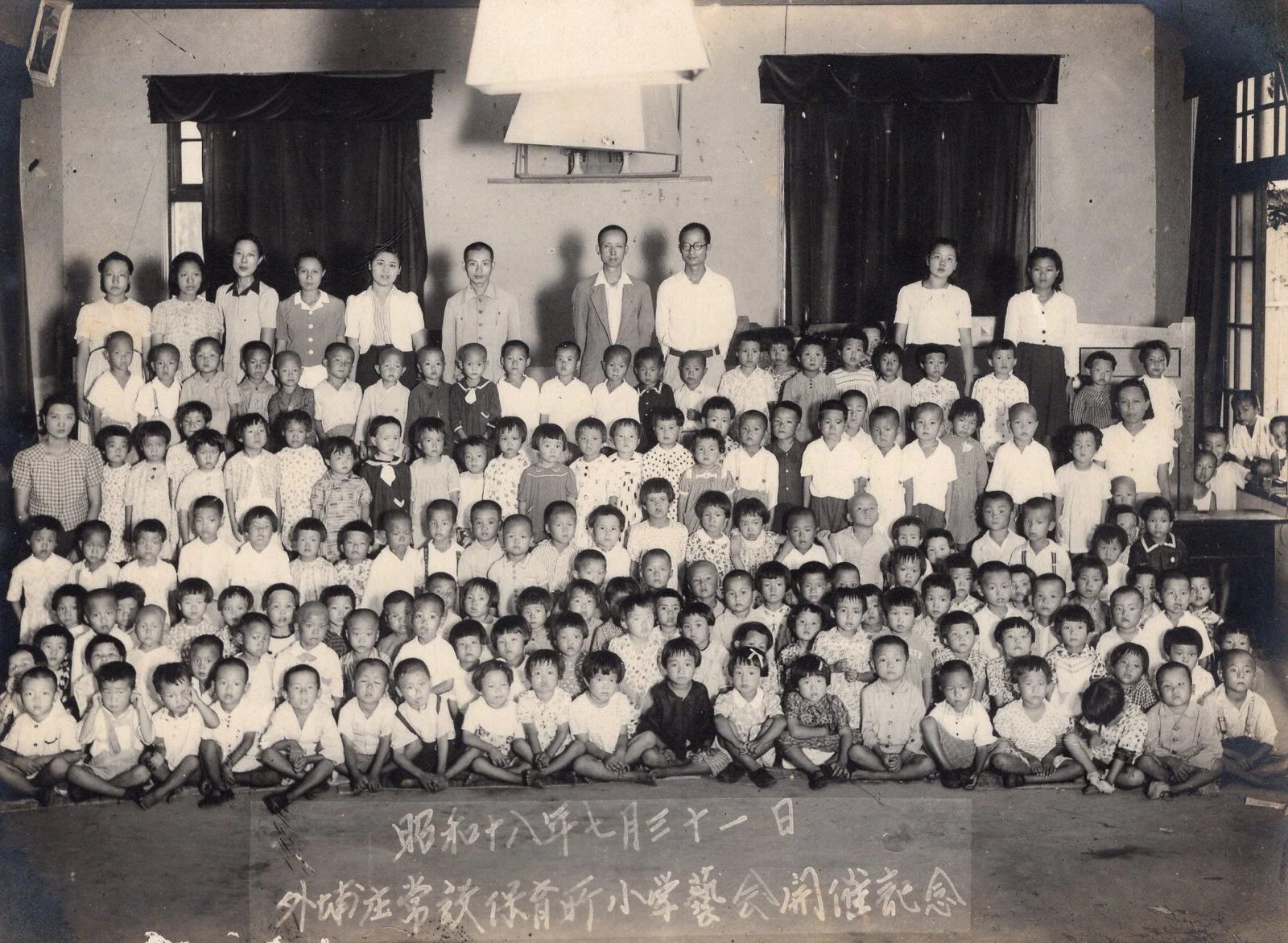
Commemoration of a small performance day (gakugeikai) held at the Waipu Town Permanent Nursery.
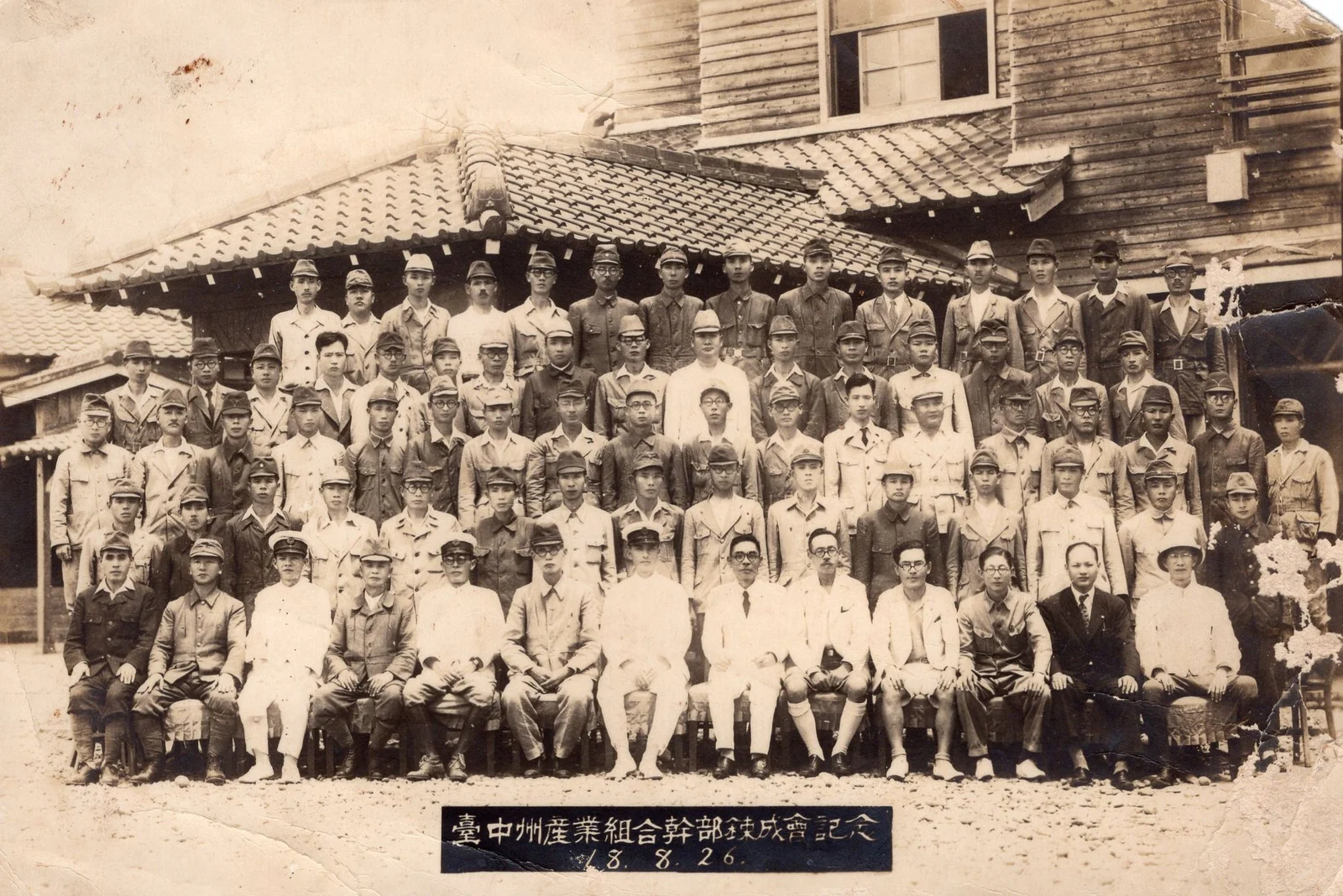
Commemoration of the Taichu Prefecture Industrial Cooperative officers' training assembly.
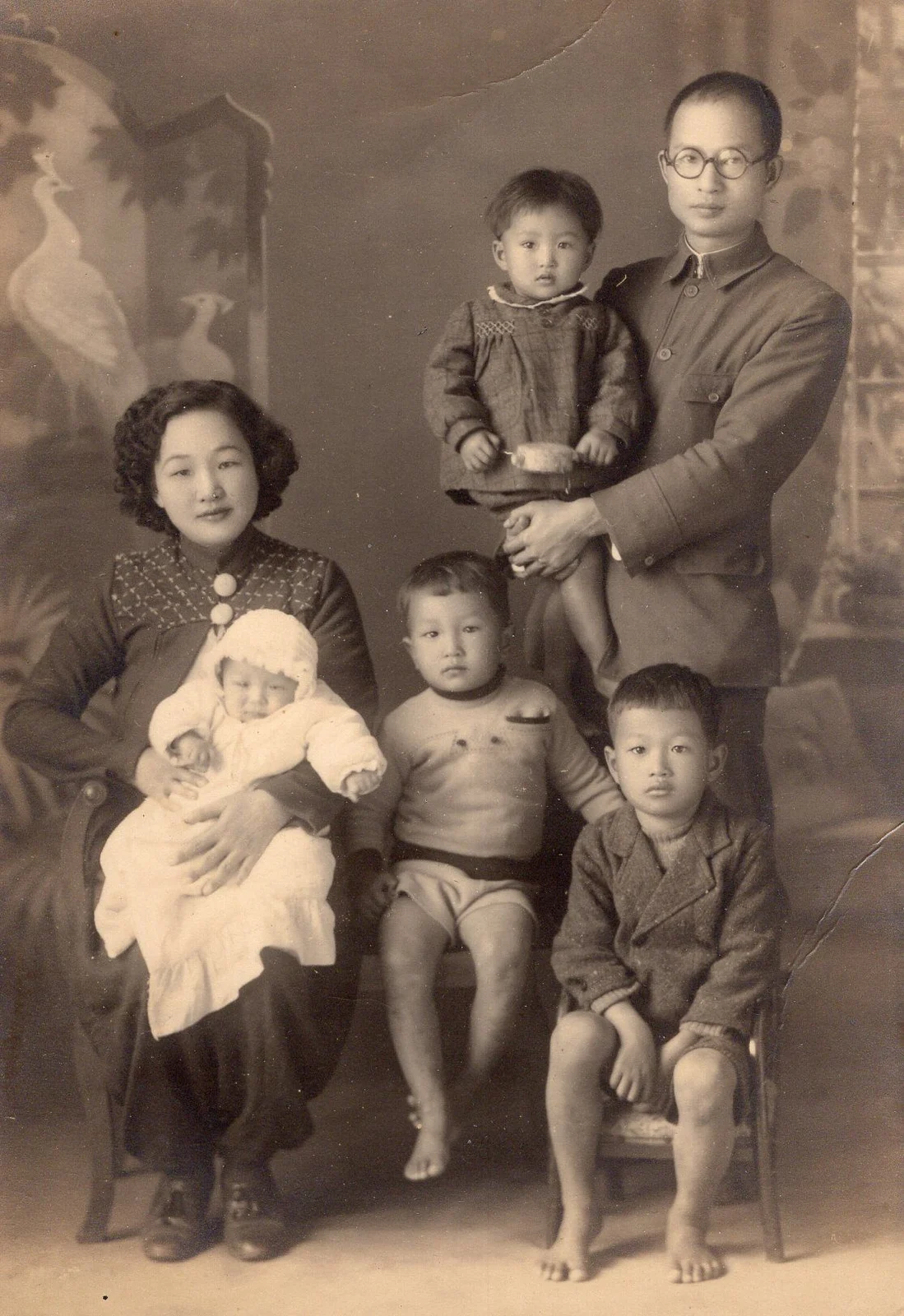
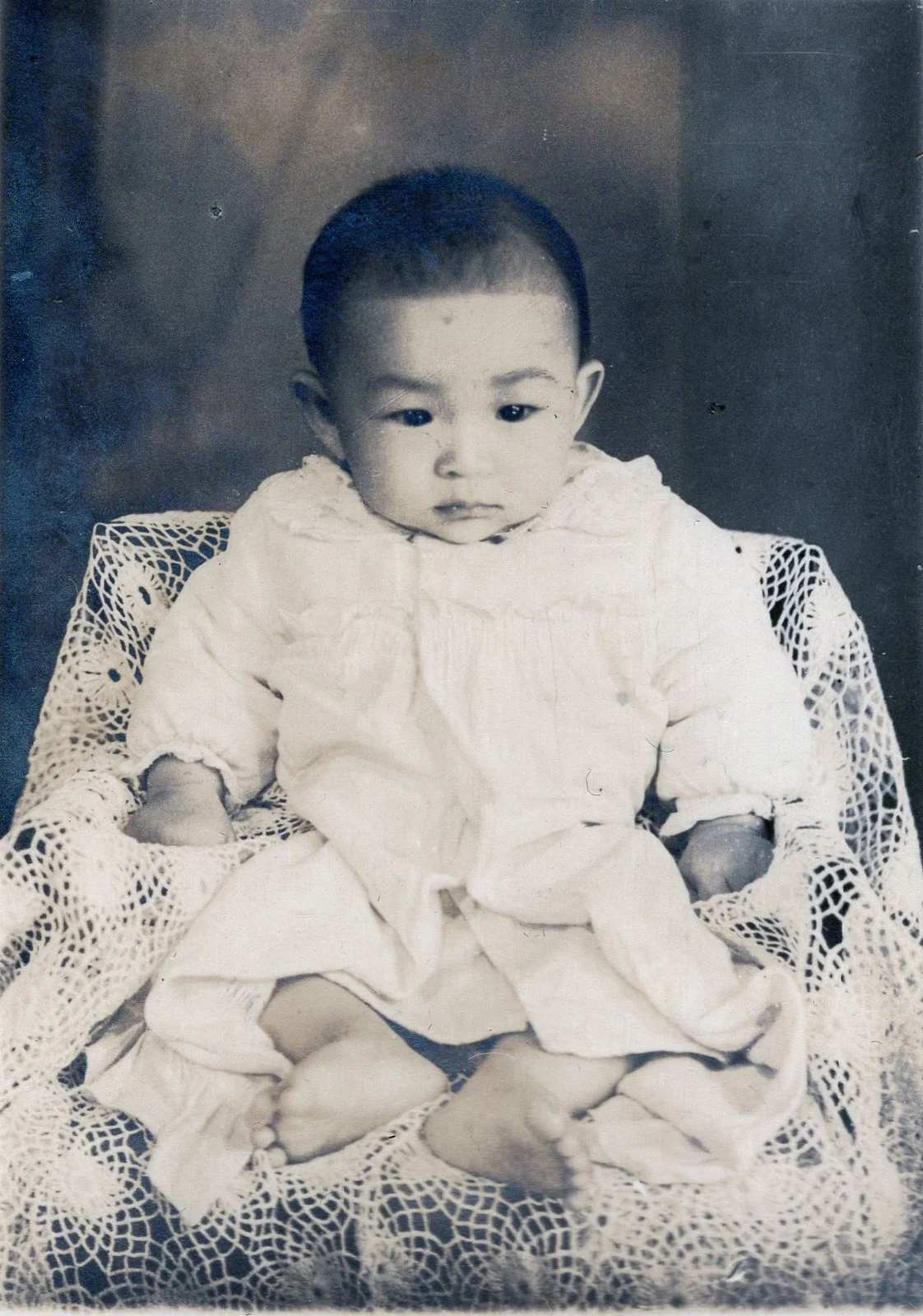
In the span between Hsu Yun-Yang's entry into Dajia Pineapple and Hsu Tian-Te's return to Taiwan, Hsu Yun-Yang's sons and daughters were born one after another.
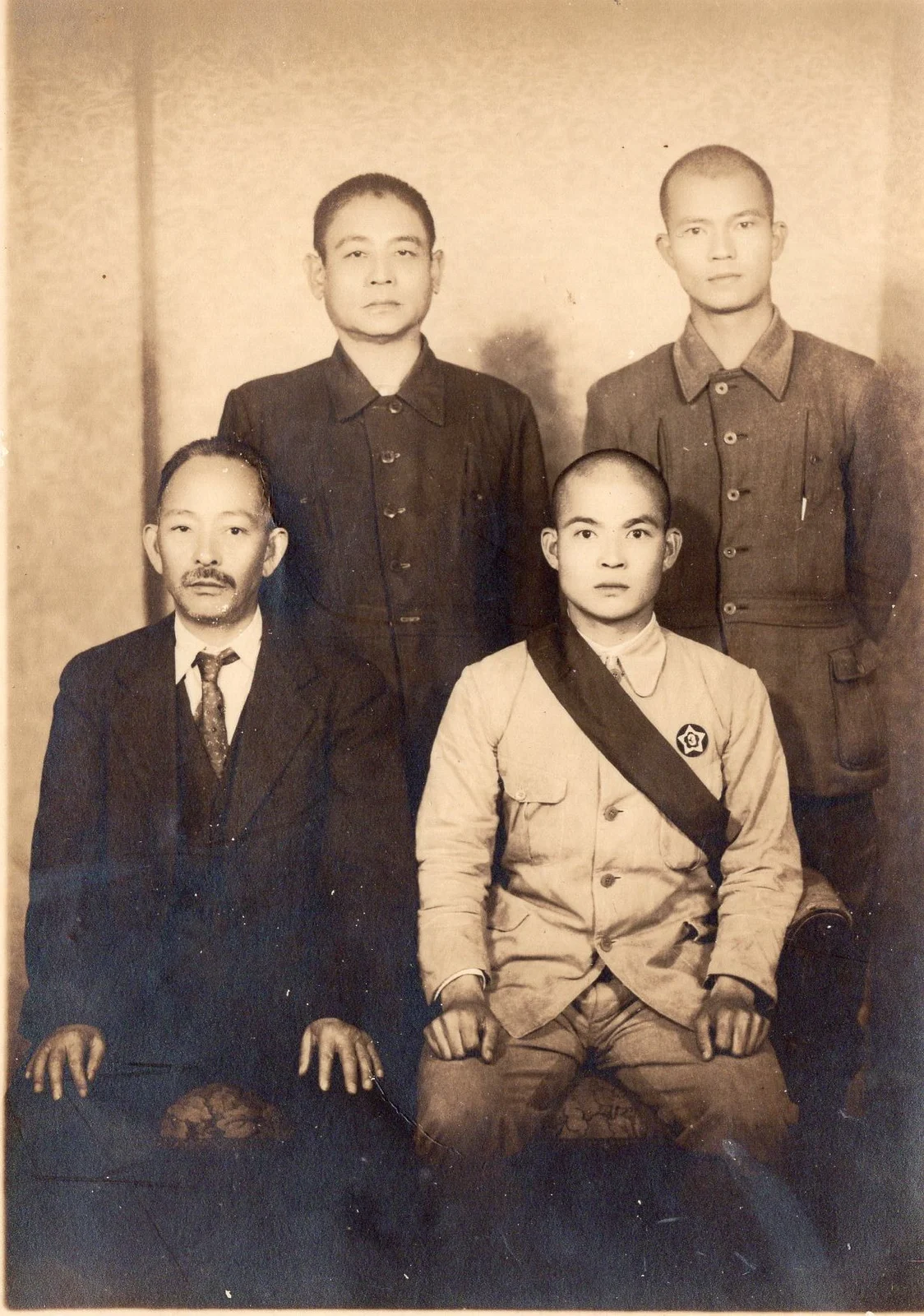
In the late Japanese colonial period, the war reached the Hsu family, and Hsu Yun-Yang's fourth brother Hsu Yun-Cong was called up by the Empire of Japan. It is said that their father, Hsu Tian-Hsiang, was so anxious on the day before Hsu Yun-Cong set out that he could not sleep, and sat the whole night through in the courtyard.
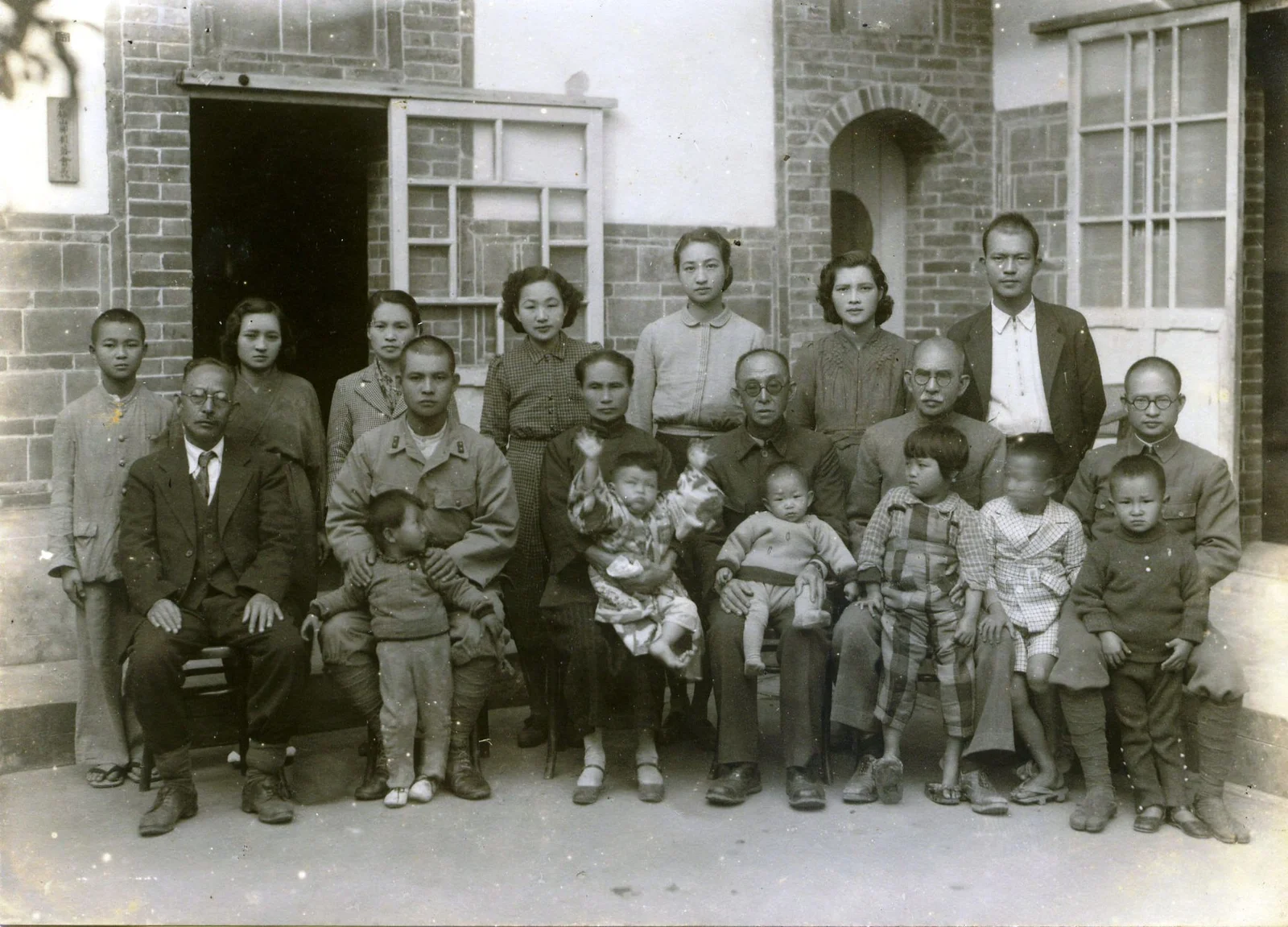
Hsu Tian-Te is first from the left in the front row.
Hsu Yun-Cong is second from the left in the front row.
Hsu Yun-Yang is first from the right in the front row.
Hsu Tian-Hsiang, third from the right, is holding Hsu Tso-Ching.
Parting and Reunion
Toyama Mitsuru passed away in October of the nineteenth year of Showa (1944).
Subhas Chandra Bose died in a plane crash at Taipei's Songshan Airport three days after Japan's surrender, just as he was about to fly from Taipei to Manchuria to seek negotiations and cooperation with the Soviet Union.
Hsu Yun-Chang died in an air raid the day before the United States dropped the atomic bomb on Hiroshima, at the age of thirty-one.
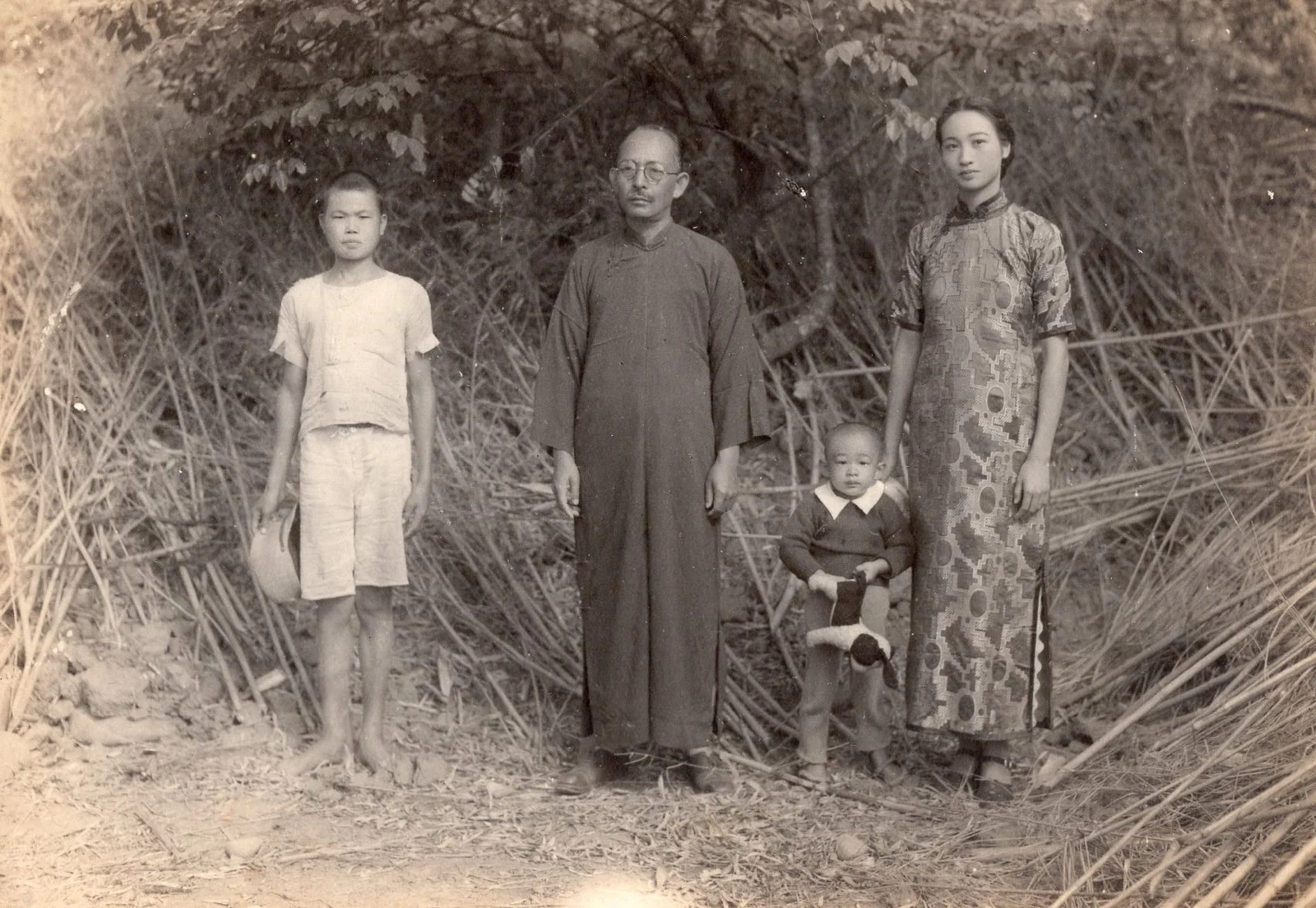
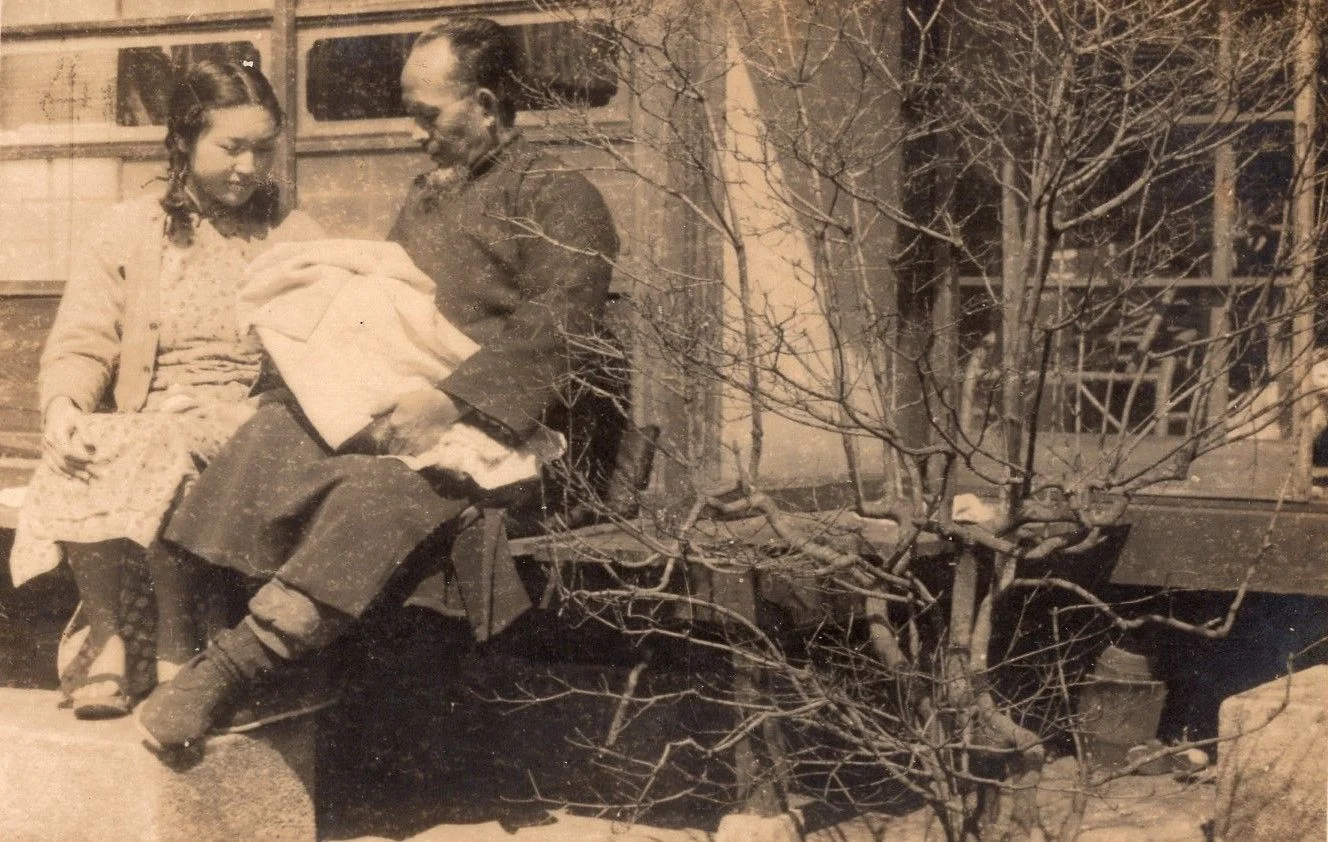
The war ended before Hsu Yun-Cong had even boarded ship: at Dadaocheng he was told he could go home. He spent every cent he had treating his fellow soldiers to food and drink in celebration, and by the time he reached the family village of Tieshan there was not a coin left.
Having taken leave of the heavy air of war, Hsu Yun-Cong returned home, and the Hsu family welcomed a happy occasion of its own.
Retrocession
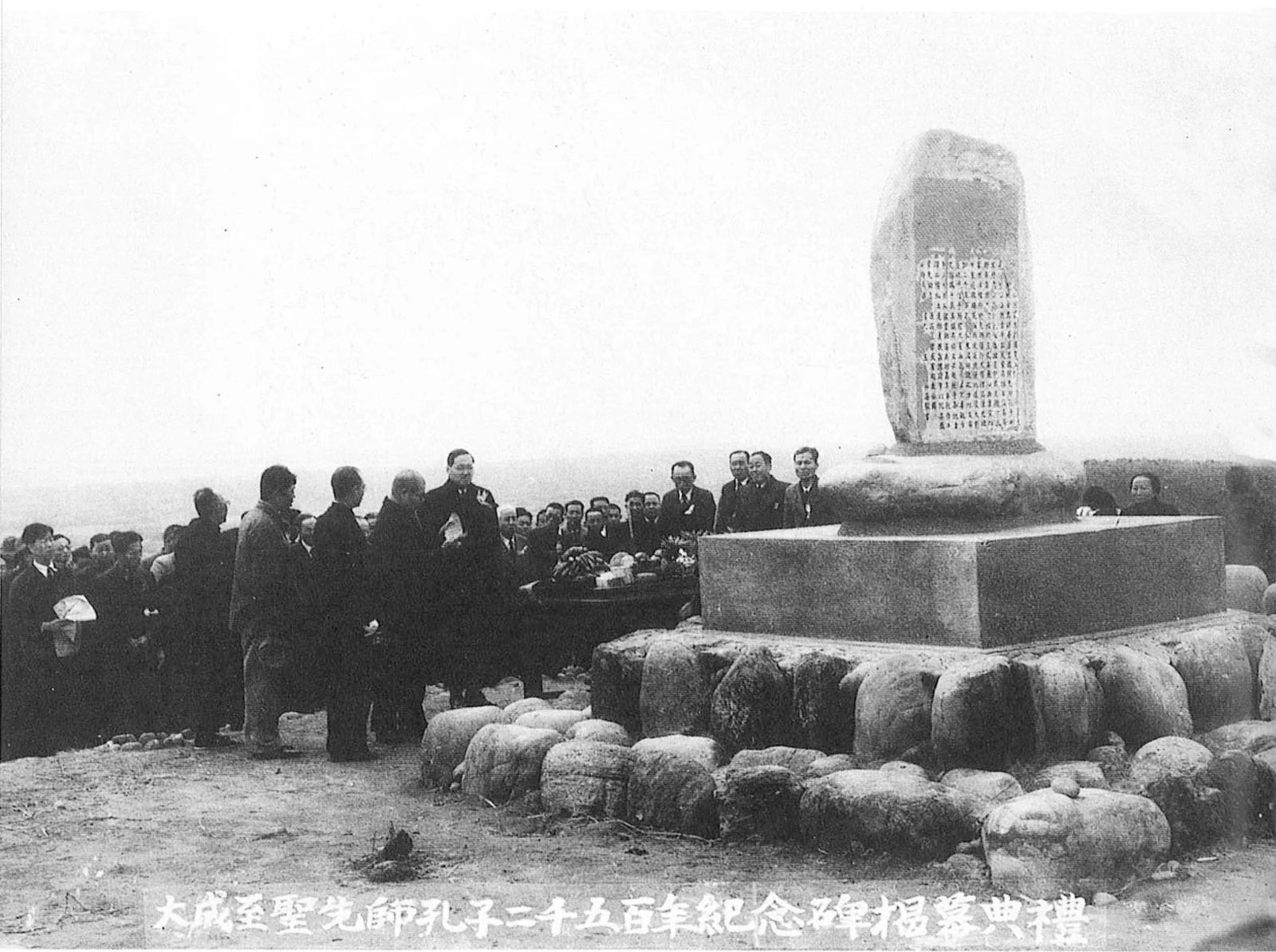
![The Minsheng Daily, the twenty-fourth of February, the thirty-ninth year of the Republic (1950). [Yuanlin dispatch] Hsu Tian-Te, a man of Waipu Township, Taichung County, has long laboured in his home district to promote our nation's inherent morals. Mindful of the greatness of the Confucian teaching, he single-handedly donated a great sum and chose Tiezhen Mountain as the site whereon to erect a Memorial Stele for the 2,500th Birthday of the Great Perfect and Most Holy Former Master Confucius; the unveiling ceremony was held on the nineteenth of this month, presided over by Kong Decheng, descendant of Confucius, the county government specially dispatched Lin Shang-Te, chief of its National Education Section, to offer congratulations, and upwards of a hundred local officials and gentry attended—a ceremony, it is reported, of the utmost solemnity.](imgs/v2/截圖_2024-02-04_下午2.31.31.webp)
[Yuanlin dispatch] Hsu Tian-Te, a man of Waipu Township, Taichung County, has long laboured in his home district to promote our nation's inherent morals. Mindful of the greatness of the Confucian teaching, he single-handedly donated a great sum and chose Tiezhen Mountain as the site whereon to erect a Memorial Stele for the 2,500th Birthday of the Great Perfect and Most Holy Former Master Confucius; the unveiling ceremony was held on the nineteenth of this month, presided over by Kong Decheng, descendant of Confucius, the county government specially dispatched Lin Shang-Te, chief of its National Education Section, to offer congratulations, and upwards of a hundred local officials and gentry attended—a ceremony, it is reported, of the utmost solemnity.
After the Retrocession, Hsu Tian-Te set up a Confucius stele on Tiezhen Mountain. One passage of its inscription reads thus:
台民際曆象重光勝緣千載其誠其愉又必超越乎各地者矣 ——— The people of Taiwan, at this moment when the calendar and the constellations shine anew, enjoy a karmic bond that comes but once in a thousand years; their sincerity, their gladness, must surely surpass that of every other place.
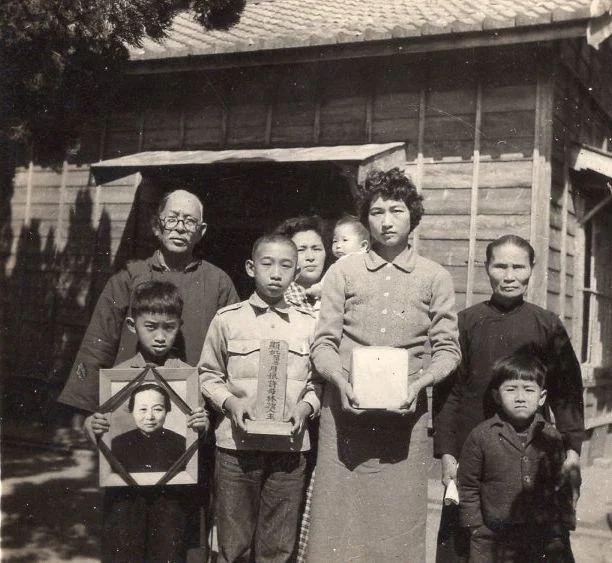
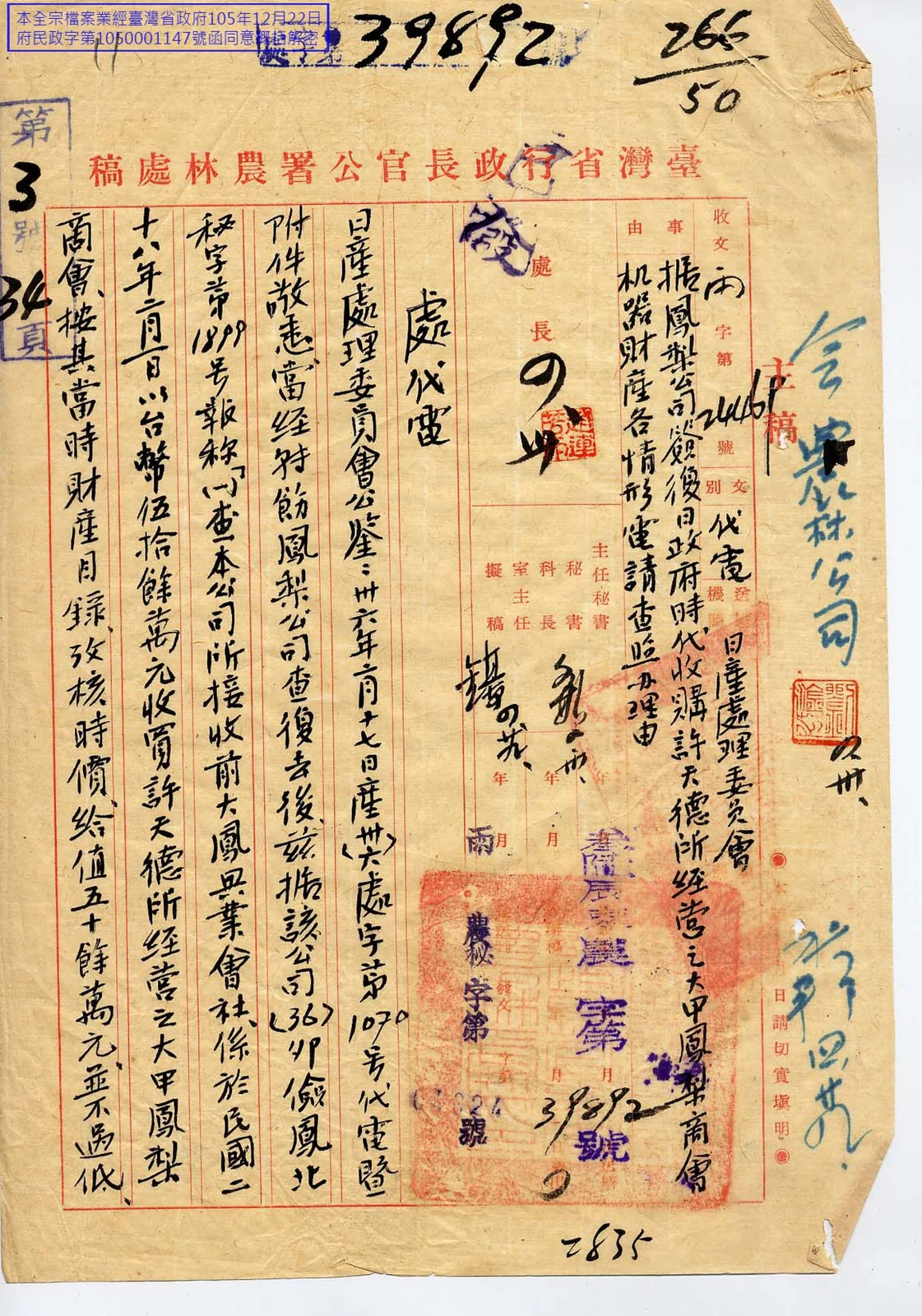
The 375 Rent Reduction, put into effect in the fortieth year of the Republic (1951), greatly affected landlords such as the Hsu family. In the forty-third year of the Republic (1954), Hsu Tian-Te's wife Hsu Lin Yue passed away. During his years in Japan, most of his enterprises in Taiwan had been managed by Hsu Lin Yue. After the Retrocession, he set about untangling the property troubles left by the wartime chaos. Hsu Tian-Te raised objections with the Nationalist government on several occasions, holding that the sum paid for the purchase of Dajia Pineapple during the Japanese colonial period had been unreasonable and hoping to win a fitting amount, but in the end every such effort came to nothing.
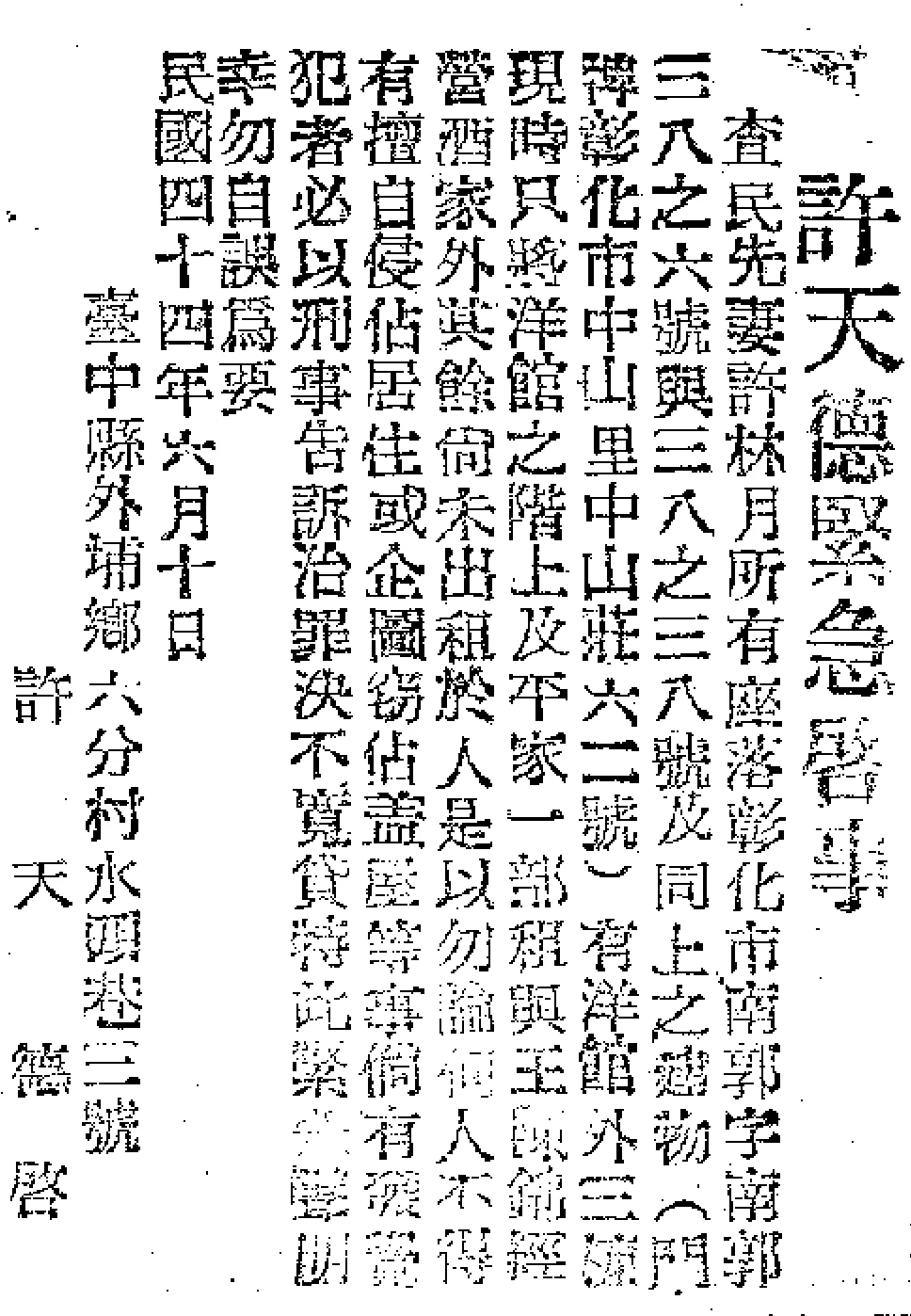
An Urgent Notice from Hsu Tian-Te: The properties of my late wife Hsu Lin Yue—lots 38-6 and 38-38 at Nanguo, Changhua City, with the buildings standing on them (house No. 62, Zhongshan Villa, Zhongshan Ward)—comprise a Western-style house and three other buildings. At present, apart from the upper floor of the Western-style house and part of the single-storey wing, let to Wang Chang-Chin for the keeping of a wine-house, none is rented to anyone. Let no one, then, presume to move in and occupy them, or scheme to seize them and put up buildings upon them; offenders will be prosecuted under the criminal law without leniency. This urgent declaration is made lest any should err. The tenth of June, the forty-fourth year of the Republic (1955). Hsu Tian-Te, No. 3, Shuitou Lane, Liufen Village, Waipu Township, Taichung County.
Hsu Tian-Te passed away in the forty-ninth year of the Republic (1960), and was buried with his wife on Tiezhen Mountain. After his death, Toyama Izumi once came to Taiwan to visit the stele his father and Hsu Tian-Te had set up together, and to call on his friends in the Hsu family. He also visited the place where the Hsu family had made their start, Tiezhen Mountain.
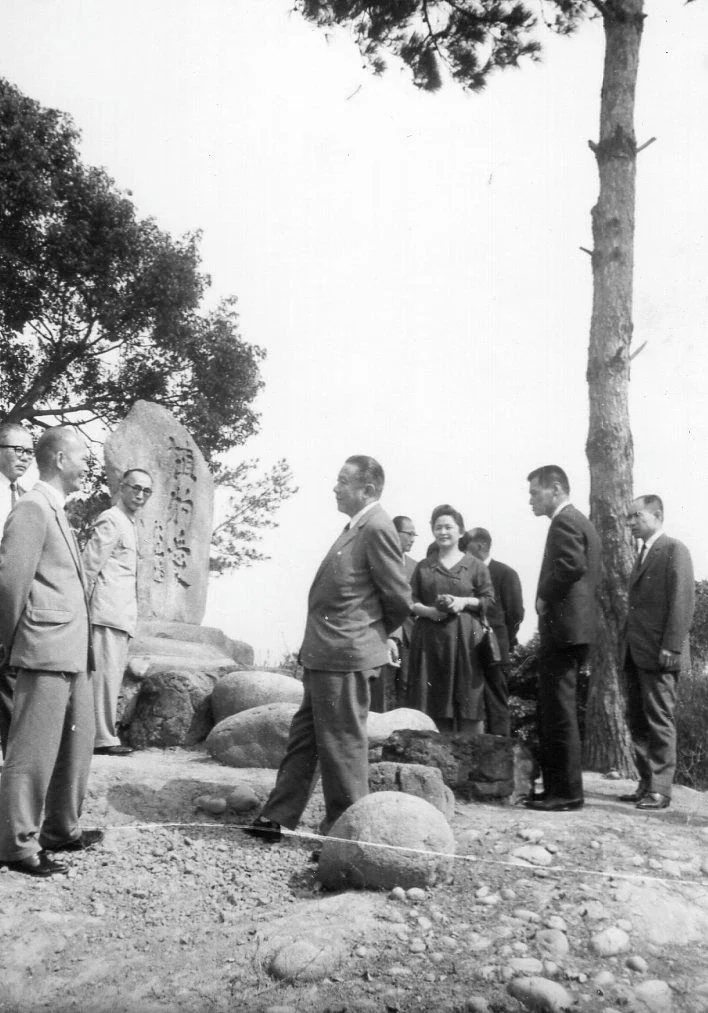
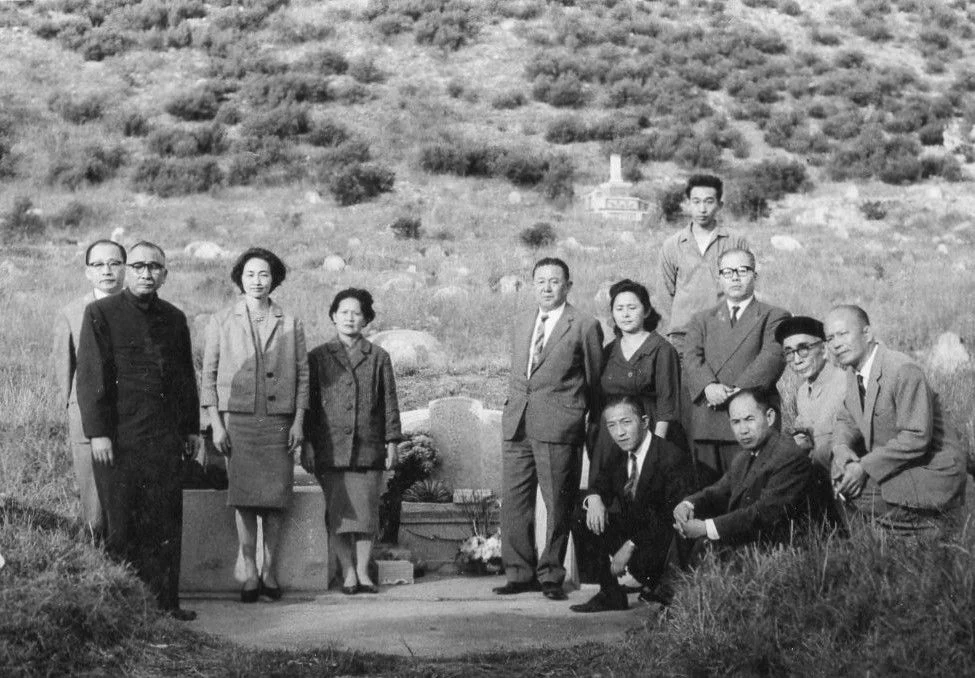
Toyama Izumi also called on Hsu Yun-Yang.
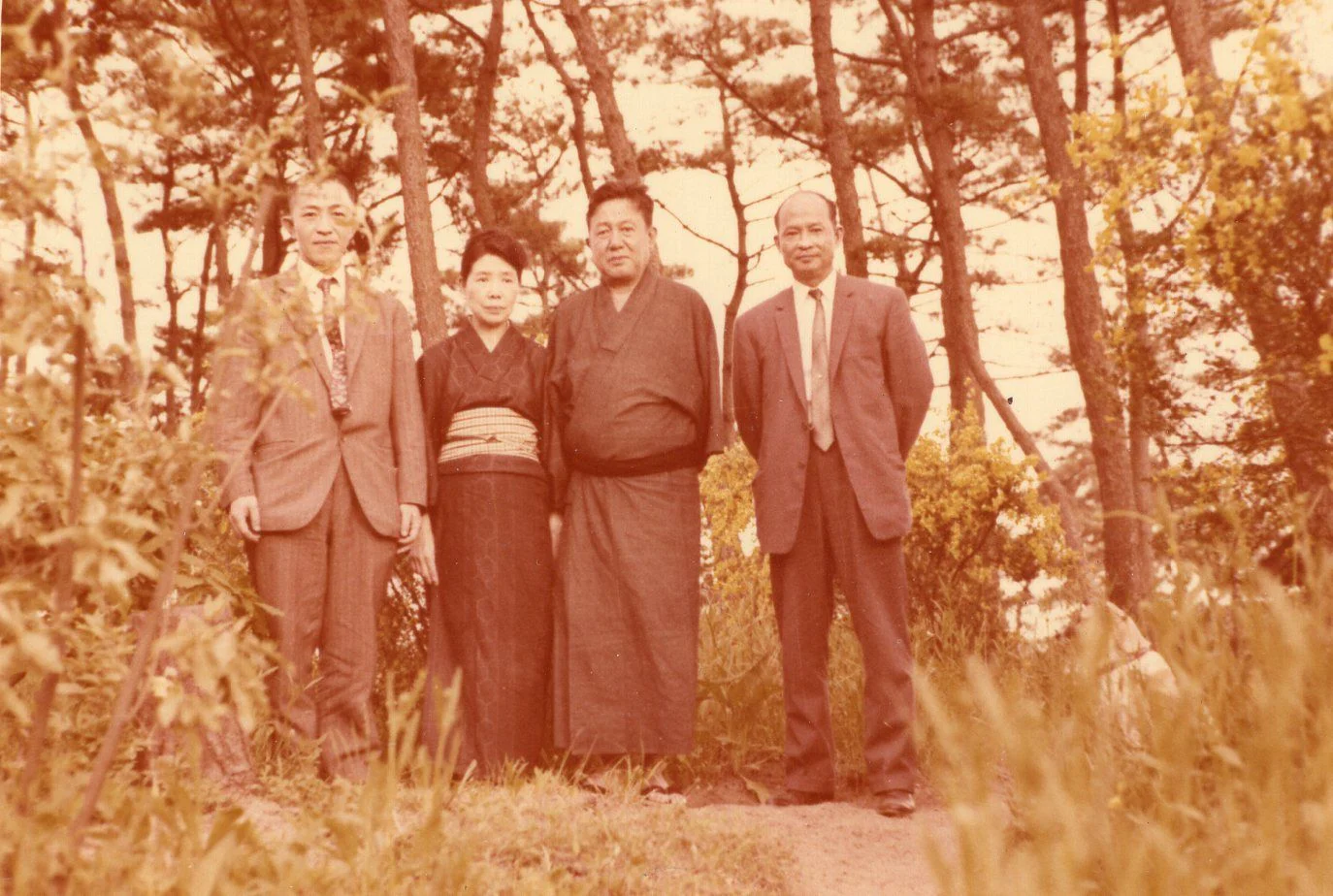
After the Retrocession, Hsu Yun-Yang was elected by popular vote to two terms as head of Waipu Township.
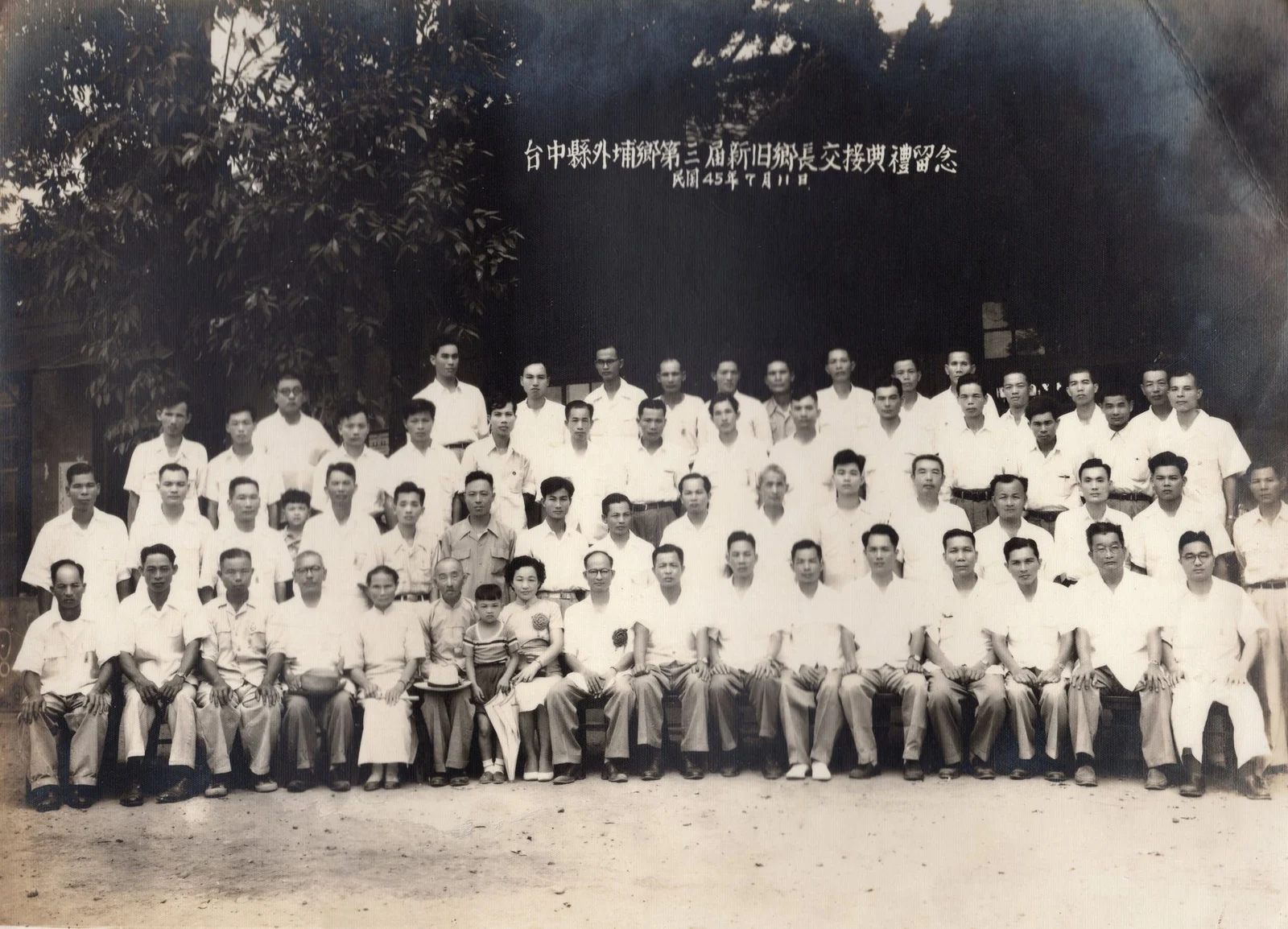
Commemorative photograph of the handover ceremony between the outgoing township head and the incoming third-term township head of Waipu Township, Taichung County; one can make out Hsu Tian-Te (fourth from left, front row) and Hsu Yun-Yang (ninth from left, front row).
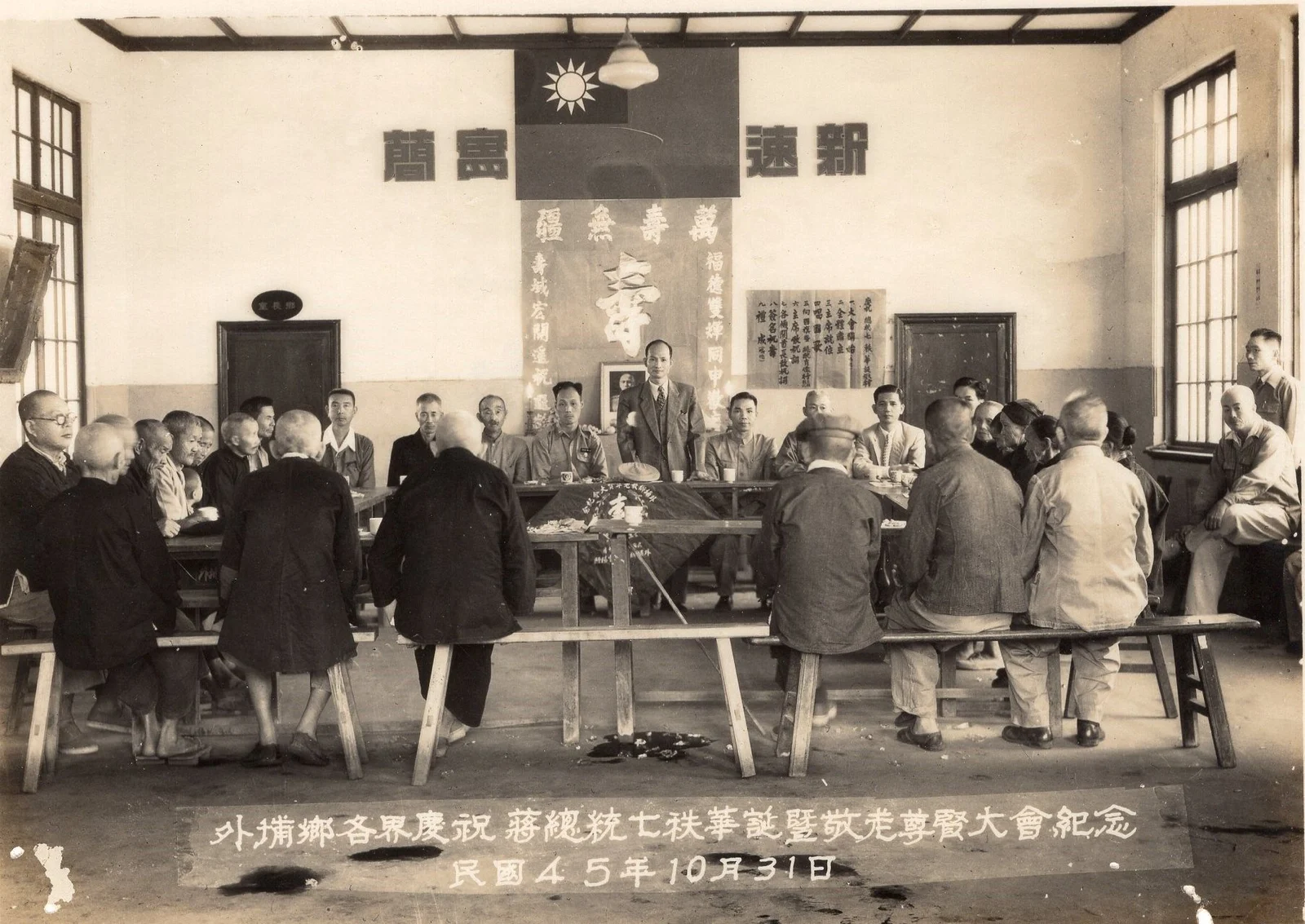
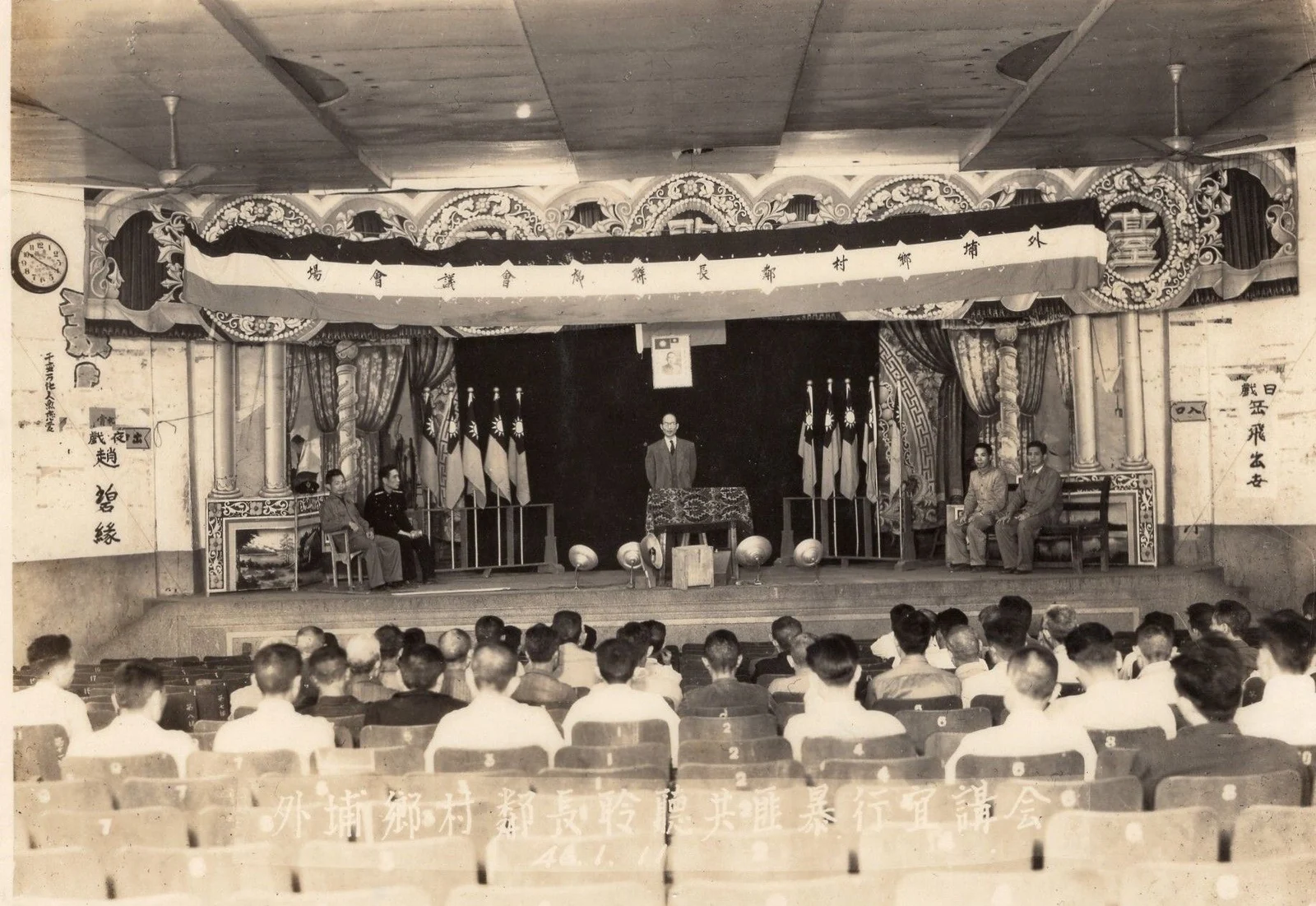
During his first term as township head, Hsu Yun-Yang passed the examination of the Ministry of Foreign Affairs' Office of the Special Commissioner in Taiwan, and thereupon resigned his post as township head to take up office in Taipei. His tenure there fell roughly between 1946 and 1947, and so he lived through the February 28 Incident. When the incident broke out, his mainlander colleagues all fled to the mainland; though they came through unscathed, they were able to claim relief payments. As the sole native Taiwanese in the office, he too remarked offhandedly that he ought to be compensated, only to be brushed off on the pretext that the money would not stretch so far. After two years at the Ministry of Foreign Affairs he returned to Waipu and took over the family business.
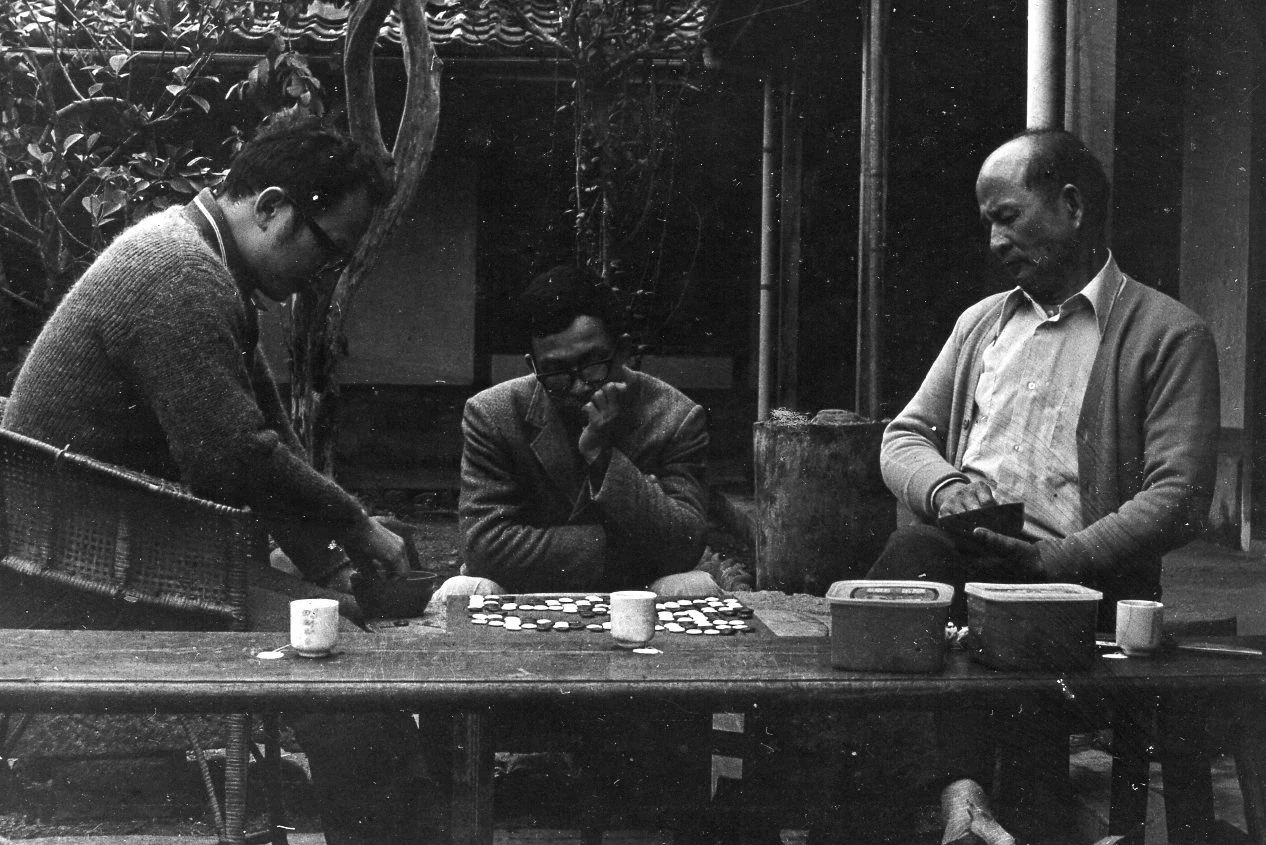
Otake Noboru
Hsu Yun-Yang passed away in 2008, having raised five sons; the third son, Hsu Tso-Ching, is my grandfather. I often looked at old photographs together with him. In the course of sorting through them, I came upon, quite by chance, an old photograph framed from an angle looking out from the pineapple garden toward Tiezhen Mountain. The reason it left so deep an impression is that I myself had once taken a photograph from this very angle. Because the pineapple garden lies on the higher ground to the south, one looking northward can gaze out at Tiezhen Mountain in the distance—for me, an image of looking back toward our ancestral home. I could not help wondering: who took this photograph?
Later, in an oral-history record, I came across something most intriguing: the descendant of Hsu Tian-Te who had moved to Japan, after naturalizing as Japanese, took the name "Otake Noboru" ("gazing at the great peak"). Seeing the great mountain in that name, I thought at once of that photograph.
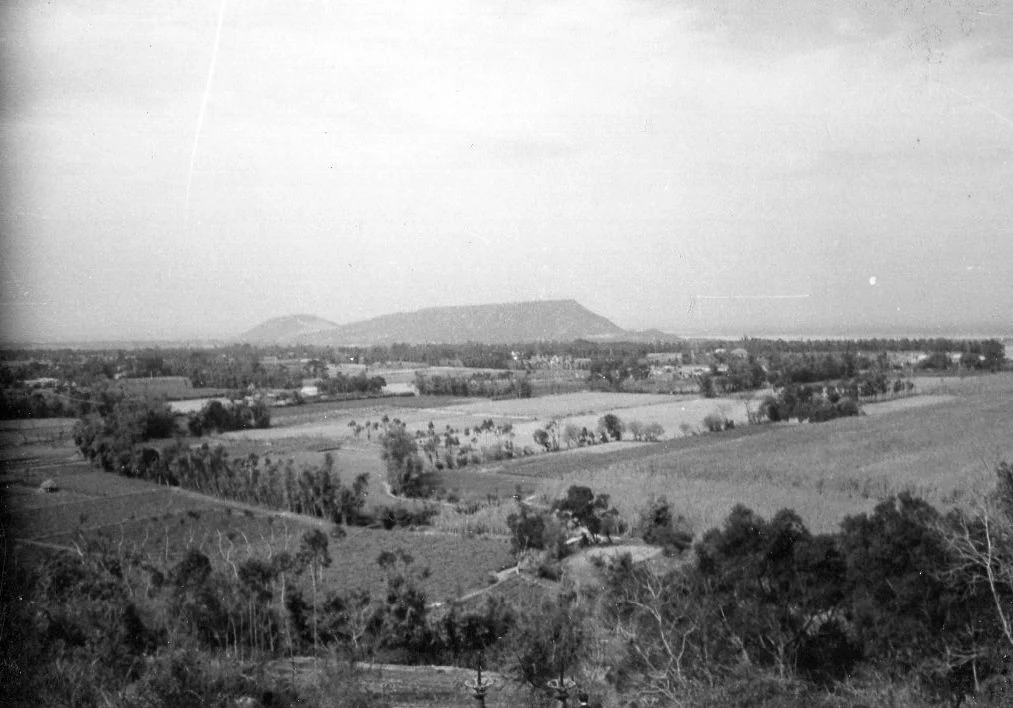
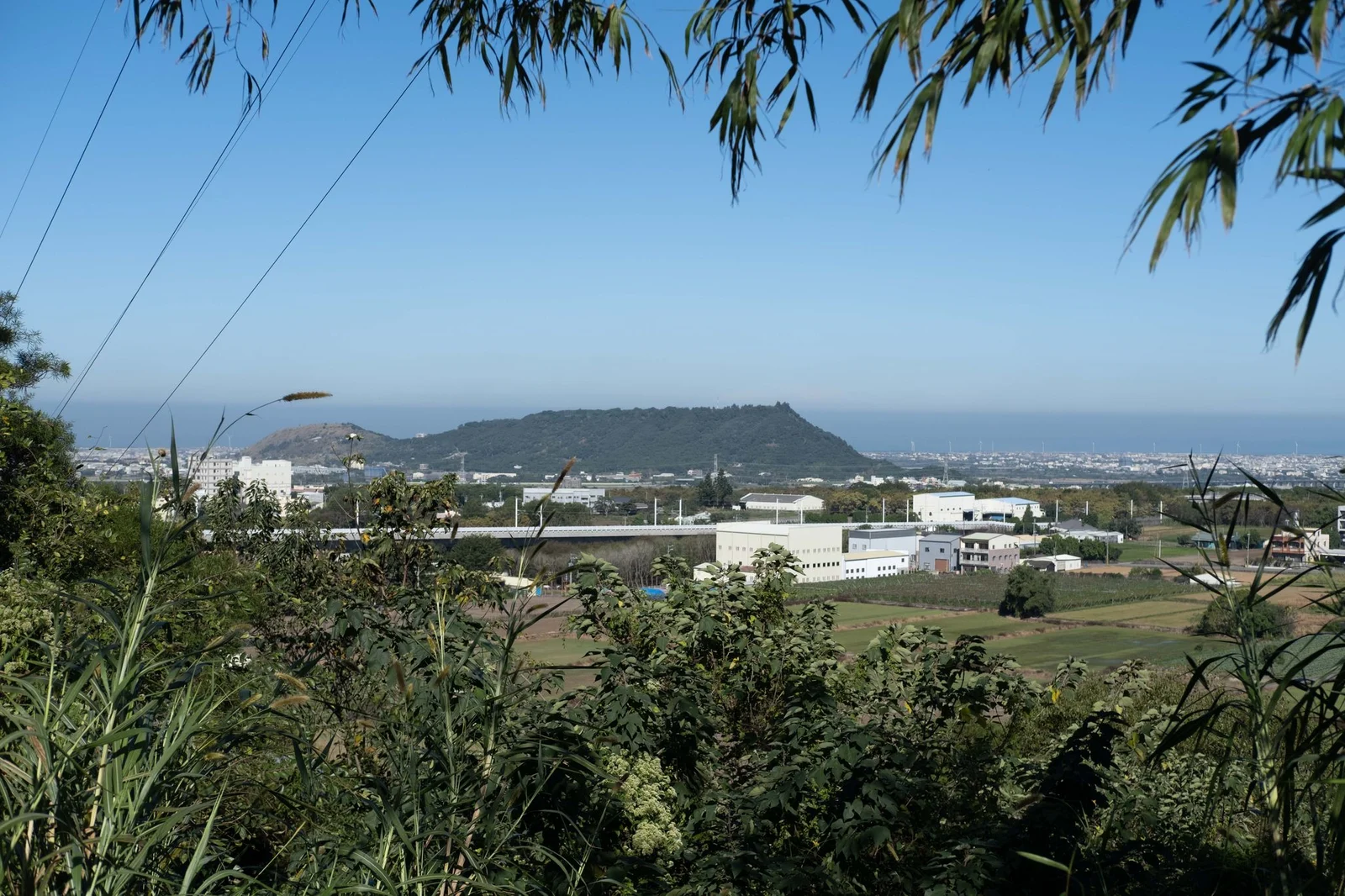
The pineapple garden of today has become an industrial zone. The residence where Hsu Tian-Te lived in those years is now home to no member of the Hsu family. The Shokubutsu-ai stele lies hidden deep within the pineapple garden, unknown to the world.
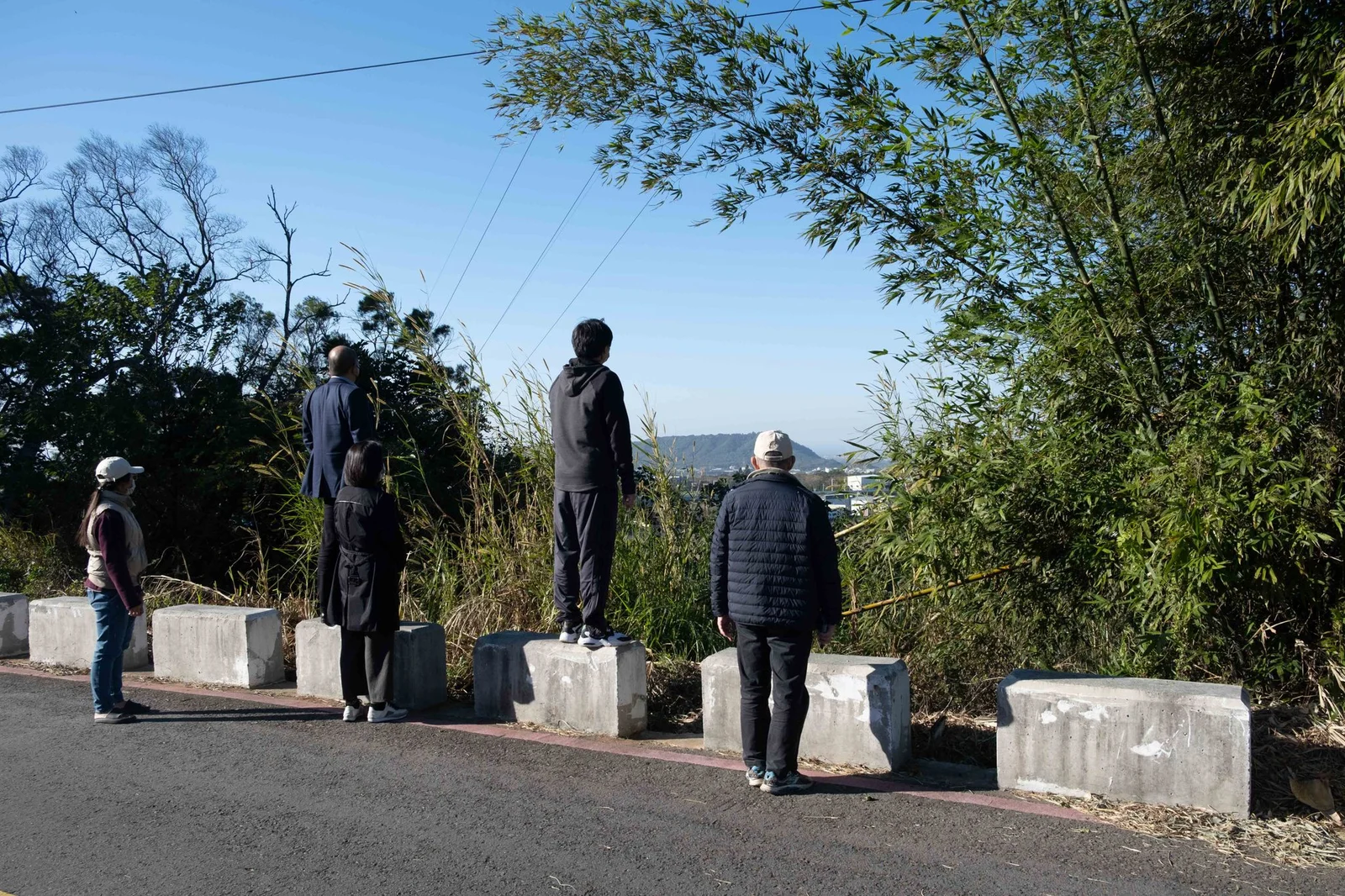
On a warm, sunlit winter's day at the end of 2022, I went with my grandfather, my eldest uncle, and the descendants of Hsu Tian-Te to the pineapple garden to look in on the Shokubutsu-ai stele. That day I told them of my discovery, then led them to the spot in the photograph and took for them a picture looking out toward Tiezhen Mountain.
A Taiwanese Experience of Cross-Regional Exchange: The Friendship of Hsu Tian-Te and Toyama Mitsuru
Text by Li Kai-yang
Taiwan, from the close of the nineteenth century into the early twentieth, may be said to have passed through the most dramatic transformation in its history. In 1895, after the Qing Empire was defeated in war and ceded Taiwan to Japan, the people of the island were set upon a path of large-scale modernization. Discontented though the Taiwanese at first were with Japan as their new ruler, with the passage of time the Han Chinese resistance movements within the island had, by the mid-to-late 1910s, ceased to exist. By the 1920s, with stability achieved in matters of public health and institutional order, the Taiwanese traveled within the island in ever greater numbers; as the power of the Empire of Japan expanded, their reach too extended, little by little, toward central China, southern China, and Southeast Asia. After the founding of Manchukuo in 1932, a considerable proportion of Taiwanese went to that singular "paradise of the kingly way."
Nor was it only the official organs of state that rode this expansion of Japanese power: many unofficial or semi-official Japanese also found in it the possibility of striking out abroad. Most of these men came from the samurai class of the Edo period. When the Meiji Emperor decreed the "equality of the four estates," the samurai lost the privileges they had once held. Some were crushed for taking part in rebellions; others carved out their own road to "rising in the world" through military service. A smaller number among the samurai descendants took note of the shifting political situation at home and, by forming political associations to advance their own positions, became a force the government could not ignore. Toyama Mitsuru—a native of Fukuoka and the foremost right-wing political leader of modern Japan—was just such a figure. He first joined Itagaki Taisuke's Freedom and People's Rights Movement, standing in opposition to the government. Later, in the Genyosha that he founded together with Hiraoka Kotaro and Hakoda Rokusuke, the first article of its creed was "reverence for the Imperial House" and the second "cherishing the nation." This shows that the earlier anti-government stance of Toyama and his fellows sprang from a difference of ideals, not from opposition to the political reforms that followed the Restoration.
Toyama Mitsuru, Uchida Ryohei, and others championed "Pan-Asianism"—a program for binding together the other nations of Asia in resistance to the encroachments of the Western powers. Such an ideal began to germinate after the founding of the Koakai in 1880 and the publication of Fukuzawa Yukichi's "Datsu-A Ron" in 1885; the same current of thought may be traced running through the later Toho Kyokai, the Toa Dobunkai, the Kokuryukai, and even the Nan'yo Kyokai. The Genyosha of Toyama and his circle, and the later Kokuryukai, were likewise among these activist groups. As early as the Genyosha years, Toyama and his fellows had tried to make contact with Sun Yat-sen of China and Kim Ok-gyun of Korea, and had sought to provide them with financial aid. Uchida Ryohei went further, dispatching Takeda Hanshi, Osaki Shokichi, and others to form the "Ten'yukyo," who took part in the Donghak peasant uprising in Korea on the side of the rebellious peasants. The very name "Kokuryukai" was likewise bound up with China: "Kokuryu" (Black Dragon) refers not to a black dragon but to the "Amur River" (Heilongjiang). The activities Toyama and his men carried out did not necessarily represent the will of the Japanese government of the day, yet in practice their results all worked to Japan's advantage. Moreover, though Toyama Mitsuru professed never to hold public office his whole life long, such modern Japanese politicians as Inukai Tsuyoshi and Konoe Fumimaro both embraced this ideology and were on close terms with him. Such an auxiliary group could both help the government carry out certain unofficial undertakings and, should anything go wrong, be promptly disavowed and cut loose by the Japanese government—a considerable advantage. Thus, in a number of important photographs of modern Chinese figures, we find Toyama Mitsuru and Miyazaki Toten in the company of Sun Yat-sen, Chiang Kai-shek, Dai Jitao, and Hu Hanmin. Sun Yat-sen's last visit to Japan, too, was hosted by Toyama Mitsuru. It was likewise through Sun Yat-sen's introduction that Toyama came to know the Indian independence activist Rash Behari Bose; and when the Japanese government—pressed by Britain—ordered him expelled, Toyama privately gave him support. The other Bose—Subhas Chandra Bose, who later took over from him the leadership of the Indian independence movement—likewise called on the aged Toyama when he came to Japan in 1943. He died in a plane crash in Taipei on August 18, 1945, and stands, alongside Gandhi and Nehru, as one of the foremost statesmen of modern India.
Let us return to the vantage point of colonial Taiwan. How a man like Toyama Mitsuru—who played so weighty a role in modern China, and indeed across Asia—came to be acquainted with a local family in central Taiwan is an intriguing question. For the Government-General of Taiwan, men such as Toyama Mitsuru—like Itagaki Taisuke, who had visited Taiwan in the 1910s—held no public office, yet were political figures of the utmost importance at home. Were they to make any pronouncement while in Taiwan, the situation might well prove impossible to contain. On June 2, 1938, the Taiwan Nichinichi Shinpo carried a report of Toyama Mitsuru's coming to Taiwan. It was said that Toyama Mitsuru, at the invitation of Hsu Tian-Te, a wealthy man of Dajia District, was to come to Taiwan for two weeks, and meant to visit Sun Moon Lake and to call on a certain gentry household surnamed Lin at Bagua Mountain in Changhua. But the report was later denied by those close to Toyama Mitsuru: at the time Toyama was convalescing and had no plan to come to Taiwan. Yet the newspaper account suggests that the acquaintance between Toyama Mitsuru and Hsu Tian-Te of Waipu must have begun earlier still.
Among the Hsu family documents that survive today there remains a volume by Hsu Tian-Te, the Meishan Wengao, in which clues to the exchange between the two parties may be found. In the "Account of the Conduct of My Late Eldest Son Yun-Chang" that he wrote, Hsu Tian-Te relates that of all his sons it was the eldest, Hsu Yun-Chang, who was the cleverest and the most adept in worldly affairs. When Yun-Chang graduated at eighteen from Taichu Commercial School, the pineapple factory run by the Hsu family was, just then, on the verge of being forced into a merger under the established policy of the Government-General. As Hsu Yun-Chang turned the matter over in his mind, he made use of his standing as a student in Japan to make contact with the Toyama family. He wrote: "鳳梨罐頭被日人壓迫,勢欲強佔,既與抗拒有年,至是加厲。擬以反逆,幾被瀰天之禍。兒乃愾氣入暴秦。乞救於大俠頭山翁之門。"—"Our canned-pineapple business was oppressed by the Japanese, who were bent on seizing it by force; having resisted for years, we now faced their pressure redoubled. They were minded to cast our resistance as rebellion, and we were all but engulfed in a heaven-wide calamity. Filled with indignation, my son entered the domain of tyrannical Qin, and begged deliverance at the gate of that great champion, the venerable Toyama." Hsu Tian-Te's sons Yun-Chang, Yun-Lung, and Yun-Cen all studied in Japan; though no definite record confirms which school Hsu Yun-Chang attended, he was close in age to Toyama Mitsuru's sons Toyama Hidezo and Toyama Izumi, and the more likely possibility is that the connection was made through the younger generation. Among the Hsu family's photographs from the Japanese colonial period, one can also see Hsu Yun-Chang himself photographed together with the Toyama family. According to Hsu Yun-Chang's descendants, he once recalled that, on a certain visit to Toyama Mitsuru's house, he met a woman in the entrance hall of the residence, and only afterward, when Toyama Izumi told him, did he learn that she was none other than the renowned Kawashima Yoshiko.
In Hsu Tian-Te's Meishan Suibi, there is a far more detailed account of his dealings with Toyama Mitsuru. He recounts that in the prime of his life he threw himself into the pineapple industry. The years he gave to the pineapple enterprise were precisely those in which his third elder brother Hsu Tian-Kui served as head of Waipu town. One can well imagine how, under the political influence of his elder brother, his enterprise flourished. After Hsu Tian-Kui resigned as town head in 1930, the authorities wished Hsu Tian-Te to take up the post, but he refused. When the local administrative system was revised again in 1935, the council seats, formerly filled wholly by government appointment, were made half appointed and half elected, and the prefectural and district authorities once more approached Hsu Tian-Te—and once more he refused. Twice declining to hold public office left, to some degree, an unfavorable impression with the authorities, who even went so far as to set men to follow him and pry into his movements. Later, when the Government-General's policy moved to bring all pineapple production under a single company, Hsu Tian-Te defied the official will a third time, and so came under enormous pressure. According to the Meishan Suibi, from the prefecture and district above down to the police below, he was pressed again and again to wind up his pineapple business at once, and was even threatened with imprisonment. The pressure from Yokoyama Takeo, the Dajia district administrator of the time (in office from December 1936), was especially severe. Even when Hsu Tian-Te fled the official pressure and went to Tokyo, Yokoyama went so far as to come to Tokyo to seize him and haul him back to Taiwan—fortunately, Toyama Mitsuru stepped in to save him, and Yokoyama returned to Taiwan in sullen resentment. Spared the calamity of prison though he was, Hsu Tian-Te no longer dared return to Taiwan and lingered long in Tokyo. During his time in Japan, the pineapple cannery could not, in the end, escape being taken over as government property. Hsu Tian-Te often longed to return home, but could never manage it; at last, after talking the matter over with Hsu Yun-Chang, it was through Toyama Mitsuru's mediation with the Governor-General of Taiwan that he was able to return in safety. After he came back to Taiwan, the authorities again came calling and tried to make him change his name in keeping with the kominka assimilation campaign; Hsu Tian-Te still steadfastly refused, yet this time they made no further trouble for him.
Judging from the photographs in the Hsu family's private documents, although Toyama Mitsuru never in the end came to Taiwan, his sons Toyama Hidezo and Toyama Izumi did have dealings with the Hsu family's Hsu Yun-Yang, Hsu Yun-Chang, and others. The photographs bear no clear record of their dates, yet they suggest that the Toyama family's coming to Taiwan may have been bound up with the inscription on the Shokubutsu-ai stele. Hsu Tian-Te was deeply versed in Chinese classical learning, and he and Hsu Tian-Kui were both celebrated men of letters in the locality. Toyama Mitsuru was likewise highly accomplished in calligraphy—he had even engaged Cao Qiupu, a calligrapher native to Dadaocheng, to instruct him while Cao was sojourning in Tokyo. The Hsu family preserves scrolls of calligraphy and painting that Toyama Mitsuru and Toyama Izumi presented to Hsu Tian-Te and Hsu Tian-Hsiang. The two parties "made friends through letters and the arts of the brush," much as Lin Hsien-tang and Liang Qichao had done in their day. On learning that Hsu Tian-Te ran a pineapple factory, Toyama Mitsuru wrote out the three characters 植物愛 (Shokubutsu-ai, “a love of growing things”) in his own hand to present to his friend, and Hsu Tian-Te inscribed a commemorative text on the back of the stele. The arrival of Toyama Hidezo and Toyama Izumi in 1938 was in all likelihood closely bound up with the raising of the Shokubutsu-ai stele. Only that year was Toyama Hidezo released on parole after the "May 15 Incident," and within a few months he came to Taiwan in his capacity as president of the Tenkokai. Through these traces of exchange—though it is not possible to reconstruct in full the whole course of dealings between Hsu Tian-Te and Toyama Mitsuru—one can nonetheless see that those great figures of the past were in fact closely bound up with Taiwan. Toyama Mitsuru could associate with the likes of Sun Yat-sen, Hu Hanmin, and Chiang Kai-shek, and yet could also keep company with a colonial Taiwanese family, that of Hsu Tian-Te. This lets us understand, from another angle and amid the great torrent of history, the unfolding of modern East Asia.
Text: Li Kai-yang, Wei-Chen Li
Proofreading: Tsai Chia-huan
Image editing: Wei-Chen Li
Old-photograph archiving and provision: Hsu Jui-Cheng, Hsu Jui-Yi
Book design: Chou Fang-yu